
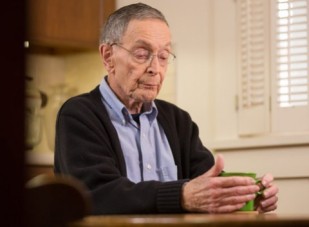
 We all know the pain when a loved one passes away, but what about the ambiguous loss we feel when someone we love and provide care for suffers from dementia? Ambiguous loss refers to a loss that occurs without resolution or understanding. This type of loss often leaves a person searching for answers or closure, which in turn complicates and delays the grieving process, leading to unresolved grief.
There are two types of ambiguous loss, physical and psychological. With physical loss, the body of a loved one is no longer present. This type of loss can occur across generations in a family, such as victims of the holocaust or missing soldiers and can lead to post-traumatic stress disorder. In the situation of psychological ambiguous loss, the body is physically present, but psychologically absent otherwise. This happens in examples such as dementia, stroke and other ways the brain, well-being and behavior of the individual is affected.
Ambiguous loss is unclear and has no resolution or closure. The loss is confusing and unpredictable. Dementia creates a feeling of ambiguous loss, causing much stress and burden on the family and caregiver.
Pauline Boss, Ph.D and researcher, suggests that ambiguous loss creates a complicated grief that goes on too long. The complication is the ambiguity and confusion of not knowing when the loss will be final. In the case of an individual with dementia, as the disease progresses to the next stage (forgetting names or dates, not able to drive anymore, etc.), the progression brings on more continuous loss. Boss refers to this as frozen grief.
With frozen grief there is no familiar ritual, only a deep on-going sadness and many unknowns. Loved ones and caregivers may feel they are in limbo with no resolution in sight. There is a feeling of hopelessness and being ‘stuck’ as well as an inability to get things done. Having to accept the loss and grieve someone who is still alive is very counter-intuitive, but it is important to grieve as you go. The losses will continue with each stage of progression of the dementia but it is important to recognize each loss as it happens and as you go along in the journey.
To learn more about this perspective of loss and grief that may resonate strongly with you and other dementia care partners, watch this informative webinar. In this webinar, Susy Favaro, LCSW, of the Banner Alzheimer’s Institute, describes what many dementia care partners feel when the person they know and love has significantly changed psychologically but still physically present.
At Home Instead Senior Care Minneapolis, we understand the stress that family caregivers face and offer a wide-range of in-home care services, including respite care, personal care, 24-hour and live-in care and Alzheimer’s and other dementias. The loving and experienced CAREGivers at Home Instead Senior Care Minneapolis offers friendly, responsive care for seniors right in your Minneapolis, Minnesota community, as well as support for the family.
Realizing the need to bring awareness of important topics that affect the seniors in our Minneapolis communities, such as prescription medication management, preventing senior hospitalizations, keeping seniors safe online, preventing wandering and the increased risk our seniors face when they continue to drive past a safe age, Home Instead Senior Care Minneapolis will continue to provide resources and tips to help keep you informed. Our senior loved ones are one of society’s greatest resources – let’s make sure they receive the best care possible. To inquire about any of our senior services or becoming a Home Instead CAREGiver, call us at 763-544-5988 today.
 It seems our lives are busier than ever these days. Women are navigating a career while raising children and in many cases, also
 Did you know according to the
 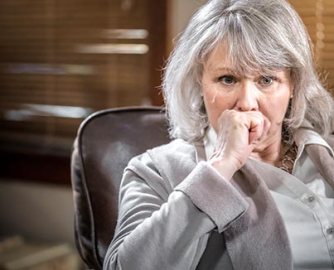 To help working family caregivers
 Join the crowd! The
  Studies show that staying physically and
 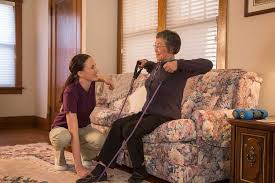 Regular exercise can keep older adults healthier and reduce the
  “Not all those who wander are lost”. This line taken from a poem by J.R.R. Tolkien has become famous in itself and seems appropriate when thinking of our senior loved ones living with
  To help ease the stress and fear for families and the loved ones they care for, Home Instead Senior Care provides a free service called
  Does this scene sound familiar? Your 76-year old father leaves his Minnesota home one cold winter morning without telling anyone where he was going. After realizing he is missing and frantically searching, he is discovered by some concerned strangers who noticed he looked confused. Even though he’s been retired for 12 years, he thought he was on his way to work and was found approximately 10 miles from his home. We at
  Home Care MN and Senior Care Information in Minneapolis