The Trees are Up! Be a Santa to a Senior

senior trees
John Stuck giving a pre-season “pep talk” to the trees about successful representation of Home Instead Senior Care of Minneapolis!

There’s a whistling sound coming through the trees and it’s not old man winter. It’s the buzzing sound of excitement as the Be a Santa to a Senior® program gets underway, brought to you by Home Instead Senior Care Minneapolis. Trees are set up all over Minneapolis that contain tags showing names of appreciate seniors that can’t wait to receive a gift. But hurry! You must choose your senior gift recipient by December 8th, 2012. If we are going to meet and possibly exceed last year’s amazing accomplishment of delivering over 2,000 gifts, we need your help!

Join the Be a Santa to a Senior Campaign

The Be a Santa to a Senior® campaign is all about helping seniors who are alone or in need. The campaign, which first launched in 2006 by our parent organization, helps seniors to get a little TLC during the holidays. The Minneapolis office of the Home Instead Senior Care® network, the world’s largest provider of non-medical in-home care and companionship services for older adults, has partnered with local non-profits groups like Little Brothers Friends of the Elderly, Meals on Wheels and several Lunds/Byerlys, several nursing homes and low income housing to provide gifts and companionship to seniors who otherwise might not receive either this holiday season. It began with just one nursing home, and has since grown into a movement.

Here’s a little story that illustrates the impact this program can have on seniors’ lives. The year after its fledgling effort, Home Instead Senior Care volunteers returned to the first nursing home they had visited the year before and discovered their card to one of the residents still pinned to the bulletin board. They learned that the card and gift from Home Instead were the only ones she received that previous year, so the card continued to be very special to her.

Now you can help brighten a senior’s life too.

How to Participate in Be a Santa to a Senior

Senior Santa
Creative Be a Santa to a Senior display at Starbucks

Here’s how it works:
1. Head to any of the following locations:

  • Lund’s or Byerly’s stores with pharmacies in Minnetonka, St. Louis Park, Wayzata, Plymouth or downtown Minneapolis, MN
  • Starbucks 2661 Campus Drive, Plymouth, MN
  • Starbucks 16725 C.R. 24, Plymouth, MN
  • Starbucks 4175 Vinewood Lane North, Plymouth, MN
  • Starbucks 7802 Olson Memorial Highway, Golden Valley, MN
  • TwinWest Chamber of Commerce – 10700 Old County Road 15, Suite 170 Plymouth, MN 55441

2. Locate the Christmas trees, and choose any ornament with a senior’s name on it. You will find gift suggestions for that senior printed on the ornament.
3. Purchase the item(s) listed, put the item in a gift bag, return to the store with the ornament and deliver them to a store employee.
Your participation can make a difference!

About the Be a Santa to a Senior Campaign

Here’s how the program works. The Home Instead Senior Care network partners with local non-profit and community organizations. Together they identify seniors who perhaps live alone, do not have family members nearby, or are experiencing financial difficulties. The program targets many seniors who otherwise might not receive gifts or visits from family during the holidays.

Home Instead Minneapolis then works with local businesses and retail stores that are willing to help by placing trees and ornaments within their various locations. The involvement from busy stores gives the program visibility and provides a convenient way for shoppers to volunteer their assistance during the busy holiday season.

Since its inception, the Be a Santa to a Senior has attracted nearly 60,000 volunteers throughout North America, and has provided 1.2 million gifts to over 700,000 seniors who are in need of assistance or companionship. Now you can join the movement and help a senior in your Minnesota community.

Need Further Information?

The Be a Santa to a Senior website, provides a locator tool that enables you to find a store by zip code.

Tips for Seniors and Caregivers to Survive the Holidays

Be a Santa Minneapolis
Click here for more information!

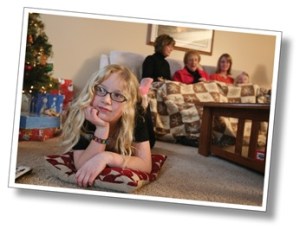
Whether you’re senior with a large family or young family with small children, the holidays can take their toll on your time and emotions. That is why the Home Instead Center for Successful Aging focused on providing you these holiday stress busters.

For Caregivers

  1. Communicate your needs
    Difficult family dynamics can take center stage during the holidays. Conflict may arise if family members can no longer continue their traditional holiday roles. Let yourself be heard and invite conversation around conflicts. Communicating is the best way to help smooth out problems and avert new ones.
  2. home carePlan ahead
    Lower your level of stress by starting your holiday preparations way in advance. Make a list before the season arrives of what needs to get completed and purchased.
  3. Be flexible
    The holidays are steeped in personal, family and religious traditions. Maintaining those is a lot of responsibility for anyone, especially family caregivers, who lead busy lives while caring for aging parents. Diane K. Hendricks, social worker for the Center, recommends: “As a family, ask yourself, ‘What is important to continue and what can we adapt or let go?’”
  4. Be resourceful
    Take a look at your list from suggestion #2 and think about who might be able to help. Think about their skills and time commitment. Sometimes, people simply need to be asked. Maybe a Home Instead CAREGiver could help?
  5. Take care of yourself
    You hear it every year – don’t over-eat during the holidays and keep exercising. That’s easier said than done, for sure. Make a concerted effort to schedule time for exercise and keep healthy snacks handy to help avoid sugary holiday treats.
  6. Make time for your traditions
    One of the most important things about the holidays is creating memories with your loved ones.  Don’t let favorite traditions go by the wayside during the busy holiday season. If time or circumstances make them difficult to maintain, adapt them as necessary. Consider making volunteering for the Home Instead Be a Santa to a Senior program part of your holiday traditions!
  7. Look for comic relief
    Nothing lifts the spirit like a good laugh! Gather friends together for a game night or to watch a funny holiday movie. Or, for immediate relief, let the queen of aging humor, Mary Maxwell, give her a one word solutions for those that might not want to cook a large holiday dinner.

For Seniors

    1. Reconsider the menu
      If Mom can no longer handle preparing and cooking the traditional meal on her own, make it a group effort. It’s a win-win: Mom can supervise and the next generation can learn all the secrets to making those favorite family recipes. Involve Mom’s home care provider to do the grocery shopping and prep work.
    2. Be their eyes, hands and feet
      When arthritis prevents seniors from writing cards or macular degeneration damages eyesight and makes it difficult to shop for gifts, you can offer to take on those tasks. If time is short, suggest more efficient options such as online shopping and sending e-cards.
    3. Mix it up
      Older adults are usually most alert and at their best earlier in the day. Why not plan a holiday brunch rather than a lunch, or attend a daytime religious service instead of the evening one?
    4. Go Skype
      Distance can separate older adults from loved ones, which exacerbates loneliness, isolation and depression during the holidays. Use the latest technology to help an older adult stay connected to loved ones from afar.
    5. Think simple
      You may love seeing the family home all decked out for the season, but hauling boxes of decorations may become impossible for seniors who struggle with mobility and balance issues. Get together with family and friends and decide which holiday decorating traditions to keep and what to forego.

  • Hit the road
    You no doubt remember it as a child – those holiday light tours that you and your parents loved. A holiday driving tour is an easy way to bring back the memories and joy to an older adult who can no longer decorate. Get a list of places to visit in Minneapolis!
  • Compensate when necessary
    If hearing impairment keeps Dad from enjoying the annual holiday movie, check out the latest sound enhancement technology. If Mom is having trouble seeing the deck of playing cards, look for large print cards or activities that can help keep her in the game.
  • minneapolis holidayRelive memorable moments
    Seniors with Alzheimer’s disease and other dementias will especially appreciate opportunities to tap into old memories. Read our post on preserving family memories for ideas.
  • Make new memories
    Sometimes, things must change. If an older adult can’t participate in the holiday or is hospitalized, why not create a simple video that shares highlights of the season? Or arrange to have a group sing carols to your senior loved one – traditional songs from his or her generation.
  • Get help – fast!
    One of the best ways to adapt holiday activities is to ask for help . Enlisting the help of a professional caregiver to help with meal preparation or to provide transportation for your loved one can lighten the load for families and free them up to maximize special holiday time with their senior loved one.

10 Tips to Protect Seniors from Scams

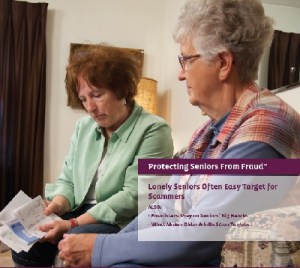
home care MinneapolisAfter reading the 3 stories of senior fraud in last month’s blog post, you might be wondering, why are seniors so often targeted, who would do such a thing and how can I prevent this from happening to an elderly person in my life? “Scam artists are specifically targeting seniors because they are the fastest-growing segment of the population, which has led to increased demands on Minneapolis law enforcement agencies,” said John Stuck, owner of Home Instead Senior Care® of Minneapolis. In addition, the National Association of Triads, a partnership of law enforcement, has identified these characteristics in some seniors that make them vulnerable:

  1. Wealth: Money is one of the most notable reasons why seniors are targeted. Scammers consider not only their disposable income but the value of their homes, property, life savings and other assets.
  2. Availability: Seniors that are retired spend more time at home and are available for phone calls and visits. Scam artists can more easily get in contact with them, often times repeatedly if their first attempt is successful, as with the woman in last month’s blog post who was scammed out of $5,000 over 2-3 months.
  3. Sickness: Chronic health issues mean that many older adults have difficulty maintaining their property and may rely on outside sources for help. Unscrupulous workers can bilk seniors out of thousands of dollars for a job that should only cost hundreds of dollars. Dementia can exacerbate the problem.
  4. Isolation: Seniors are often alone when families move away from the Minneapolis area. If they don’t have a family member or home care agency to assist them with large decisions, they can fall prey to fraud.
  5. Loneliness: Because of their isolation, seniors’ friendships often can be limited, and this can make them vulnerable to that friendly caller who drops by the house. Some scams are even perpetrated by seemingly trusted people who work to build new friendships with older adults and then prey on their vulnerabilities.

home health careCons against older adults aren’t always acts of blatant theft. They can be subtle, like the retailer who over-charges an older adult or an individual who bills for a service and doesn’t finish the job. A 2011 MetLife Study has identified three elder financial abuse strategies: crimes of occasion, crimes of desperation and crimes of predation.

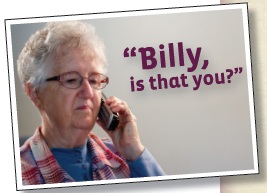
  • Crimes of occasion, or opportunity, are incidents where the senior has something of value and a perpetrator is allowed easy access to it.
  • Crimes of desperation are typically those in which family members or friends become so desperate for money that they will do whatever it takes to get it. Many of these family members are dependent on the senior for resources. Some believe that, in return for care, he or she is due compensation, as with the case in last month’s blog post of our client with MS.
  • Crimes of predation, or occupation are the most popularized by the media. Most often, a trust is engendered specifically for the intention of financial abuse later. The taking of assets is by stealth and cunning.

Senior Scam minneapolisAs a result, the nonprofit National Association of Triads and Home Instead Senior Care Minneapolis have launched a public information program to educate families and seniors about how to protect themselves. The Protect Seniors from Fraud program provides family caregivers with a number of important tools including a Senior Fraud Protection Kit. Download your copy today!

In it, you’ll find these 5 tips to protect seniors from scams:

  1. Add seniors to the national Do-Not-Call Registry. A study has shown that one of 10 telemarketing callers is a scammer. People may register their residential telephone number, including wireless numbers, on the Do-Not-Call Registry at no cost. To register online and for additional information, go to www.donotcall.gov. To register by phone, call 888-382-1222; for TTY, call 866-290-4236. You must call from the phone number you wish to register.
  2. Shred documents that could be useful to criminals, including bank statements, credit-card statements and offers, and other financial information. Documents that need to be preserved, such as tax filings and car titles, should be stored in a safe deposit box.
  3. Insist that your senior calls the local Better Business Bureau (BBB) or gets a BBB Business Review online at bbb.org before acting on a phone call or a piece of mail, or agreeing to a visit from an unknown person, business or charity. Point out suspicious mailings, especially look-alike envelopes that mimic letters sent from the Social Security Administration or Internal Revenue Service.
  4. Insist that your senior never give out personal information nor agree to give money over the phone. Rather ask for written information to be sent through the mail. The best rule of thumb is to “never provide information in a phone call that you did not initiate.”
  5. Establish a strong defense by posting a “No Solicitation” notice by senior’s front door and help them to sort through his or her incoming mail. A Home Instead Senior Care CAREGiver actually prevented fraud by noticing endless magazine subscriptions, along with invoices for them!

Do these tips sound helpful? If so, download your own  Senior Fraud Protection Kit and learn 5 more!

senior careAccording to experts, the top three crimes targeting seniors are identity theft, Medicaid/Medicare and medication fraud, and financial exploitation. The demographics of an aging population and the sophistication of scammers are adding up to big losses – both financially and emotionally – for older adults. The annual financial loss by victims of elder financial abuse is estimated to be at least $2.9 billion, a 12 percent increase since 2008.

Home Instead Senior Care of Minneapolis clients is urging Minnesota families to be protect senior loved ones from scammers who may be targeting them with clever cons that could jeopardize not only their life savings but their independence.

10 Tips to Help Minneapolis Families Cope with Alzheimer’s

Issues related to aging can add stress to even the most stable Minneapolis families. Taking turns caring for a senior after surgery, deciding who’s going to mow the lawn and who’s going to assist with doctor appointments and hiring elderly home care are all typical (yet time and energy consuming) tasks for Minnesota family caregivers. Adding behavioral changes related to Alzheimer’s and dementia can push families to the brink. Watch Laurie Owen from Home Instead Senior Care and Dr. Jane Potter from the University of Nebraska Medical Center discuss the lifestyle changes for patients with Alzheimer’s disease or other dementias.

“Regular communication – whether it’s by email or phone – is the single biggest key to helping families cope with Alzheimer’s disease,’’ said caregiving expert Dr. Amy D’Aprix, who developed Caring Cards exclusively for Home Instead Senior Care to engage families in meaningful communication. Here are 9 more tips from Dr. D’Aprix and the Home Instead Senior Care network to helping families stick together through the ups and downs of Alzheimer’s disease:

  1. Get an accurate diagnosis: Get several opinions, if necessary, to ensure that all family members, doctors and home health care professionals caring for your loved one know and understand the situation.
  2. Hold a family meeting: Often times, the main caregiver becomes the only person who has the important information needed to care for the person with Alzheimer’s. Gather family members together with a professional  to ensure that everyone shares the same information and gets the resources they need.
  3. Learn to manage change: Dementias are ever-changing conditions. Find a support group in the Minneapolis or St. Paul area to share with others who are facing similar challenges.
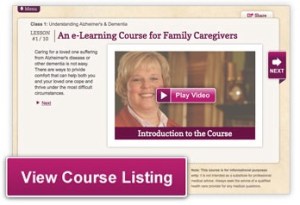
  4. Learn skills and techniques: The behavioral changes that come with Alzheimer’s disease and other dementias can be difficult to manage. The resources of the e-learning Family Caregiver Training can help. Find memory activities and puzzles here.
  5. Ask the primary caregiver if they need help: The main day-to-day caregiver can harbor resentment towards others who they feel should be doing more. Look at what needs to be done and ask the primary caregiver how you can give them respite.
  6. Assign tasks: Family members who live out of town can still help with things like finances. Make a list of all that needs to be done and form an online care team to allow others to help.
  7. Ask for help if you’re the primary caregiver: Are you the only one of your siblings in Minneapolis who lives by your parent? Or maybe you’re the oldest daughter and everyone expects you to be the caregiver. Whatever the circumstance, caregivers of seniors with Alzheimer’s disease and other dementias shouldn’t try to go it alone. (Hint…see tip #6)
  8. Preserve memories: Create a video of your loved one with Alzheimer’s telling stories about their lives or design a shadow box of keepsakes. Make sure to read next month’s blog from Home Instead Senior Care of Minneapolis for more information!
  9. Tap into local Minneapolis resources: Families can’t have too much information when it comes to managing  the behavioral changes of Alzheimer’s disease. Contact a Home Instead CAREgiver who has received special training to care for those with all types of dementias.

Dr. Amy D’Aprix also prepared content for the Alzheimer’s Disease or Other Dementias Training Program called CARE which stands for Changing Aging Through Research and EducationSM. Programs like these as well as the online Family Caregiver Alzheimer’s Training were developed exclusively for Home Instead Senior Care and FREE to you!

Each e-learning class in the Family Caregiver Alzheimer’s Training  program can be completed within 5–15 minutes and include:

  • Understanding Alzheimer’s and Other Dementias
  • Capturing Life’s Journey
  • Managing Behaviors
  • Encouraging Engagement
  • Safety

To begin your free online training immediately, simply click here and “home instead facebookLike” our Facebook page.

As a Fan of our Facebook page, you’ll have access to special opportunities and resources such as this training that we offer throughout the year. Already a Fan? Click here and get Family Caregiver Alzheimer’s Training now!

How Seniors Make Volunteering Joyful and Long Lasting

senior volunteerOur parent organization, the Home Instead Senior Care® network, recently performed research on senior volunteers and found some truly interesting facts about what makes volunteering enriching and fun for people in their golden years, especially in Minneapolis.

Minnesota seniors who have learned how to give of themselves in a sustained way had some secrets to share about how to enjoy community service as long as possible. In fact 70% of the seniors surveyed said they plan to go on donating their time to special causes “forever.”

Tips from these seniors included the following:

1.  Find something to be passionate about. What have you always wanted to do? What special causes really make your heart sing? Whether it’s helping to feed the homeless at a Minneapolis shelter, being a docent, helping at a pet shelter or making baby bonnets, there is something for everyone and every passion. Finding the role that really tickles your fancy is the key to keeping it interesting.

2.  Find a cause where there is a real need. In this Minnesota economy, as you might guess, that is a very easy thing to do. Not only are there more people in need today than ever before, but non-profit and community service organizations are more taxed than ever too. The Corporation for National and Community Service conducted a survey in 2009 revealing that 80% of nonprofit and AmeriCorps organizations were feeling fiscal stress.

Some great resources exist locally and nationally to find the greatest need, including:

3.  Giggle your way out a bad day. Like any real job, volunteer roles for seniors are going to have their ups and downs, and one way to handle it is to simply laugh it off. For a quick “laugh fix,” visit CaregiverStress.comSM and “Laugh with Mary Maxwell.” Mary’s delightful perspective on life as a senior will help get rid of the bad day blues!

4.  Don’t set the bar too high. We all want things to go well, but sometimes they just don’t. Organizing events, for example, can involve many details from fliers to food, decorations, and the contributions of other volunteer seniors. Aiming for perfection can make the whole event go sour. By contrast, cheerfully taking the good with the bad and making the best of whatever challenges occur will help you and everyone around you “go with the flow.”

5. Be joyful. Just like paid work, a volunteer role may not be worth doing if there is no joy in it. Even the grittiest hands-on jobs should be things that you enjoy or even take special pride in accomplishing. Whether you’re building, baking, organizing, reading or caring for an elderly person in their home, make sure it brings you joy.

senior minneapolis6. Shrug off the critics. Volunteering takes all kinds of seniors, and some of them can take the roles and responsibilities of volunteering a touch too seriously. If faced with criticism, shrug it off – especially if it is a one time thing. The good news is that tomorrow is likely to be a better day. And if not, there are many more opportunities to explore such as caring for a person with disabilities in their home.

7. Turn the other cheek. Avoiding conflict and side-stepping turf wars has helped many a volunteer to rise above challenges that may crop up from time to time. Remember, sometimes it is best to give up ground to keep the peace, and most disagreements will simply blow over given some cooling off time.

8. Give yourself a break. Do not overdo it. The world will certainly go on if you take care of yourself and your own needs. Dedication is a wonderful thing, but the work you do in your retirement years should not drudgery, and should never supersede your own self care.

9. Ignore negativity. There is “one in every crowd,” as they say. It may be someone who looks for what’s wrong instead of what’s right, or even someone who is envious of all you accomplish. Seek out those who share your interests, have a “team” mentality, and are about the greater good.

10. Need help? Ask for it! If you are yearning to volunteer or you know a senior who is, contact Home Instead Senior Care of Minneapolis, which employs CAREGiversSM . CAREGivers can help around the house with meal preparation and light housekeeping so their clients can volunteer. What a great way to get out of the house and interact with others!

Need ideas for ways to make a difference? Here is a brief overview of the primary volunteer activities of seniors:

  • 47% volunteer with churches and religious organizations
  • 16% work in senior centers or other senior-related services
  • 10% work in hospitals or healthcare organizations
  • 10% work with schools, educational services and youth programs
  • 7% volunteer with social services and nonprofit organizations

There are as many ways to help as there are people who want to give their time. Think about volunteering in Minneapolis today. You can make a world of difference!

Be a Santa to a Senior Program a HUGE Success in Minneapolis!

In 2011, 2000 gifts were given to local Minneapolis area seniors who needed holiday cheer.
We appreciate your participation!

senior careThe faces of both the seniors and the volunteers lit up as gifts were distributed to seniors in nursing homes, low income senior housing, adult day centers and personally nominated individuals. Just a few of the senior residences include the Ebenezer Tower, Friendship Center and Augustana.

home careThis huge success would not have been possible without our partners which include Byerly’s & Lund’s Pharmacy locations, Starbucks, The Brost Clinic, Health Partners, Minneapolis Women’s Club, Upsher-Smith, Park Nicollet Orthopedic Clinic, Allina Health Clinic Medical Arts, Oakwood Elementary, MN School of Business and Herzig University.

With this experience in our hearts, we look forward to 2012 with positivity and gratefulness.

Senior Mealtime Challenges and a Fun Recipe Contest

Our primary concern, at Home Instead Senior Care of Minneapolis, is the well-being of seniors at home. Mealtimes can be very challenging for seniors, especially for those who no longer cook for two or more. In this post we will provide the results of a study performed by the Home Instead Senior Care Network on what seniors perceive as the biggest mealtime challenges, along with ideas for how to make mealtimes a more positive experience for the senior in your life.

mealsAlso, look for recipe contest details at the end of this post. Hurry and submit your best family recipes. The contest ends on September 15th 2011!

Mealtime Challenges

According to research conducted for the Home Instead Senior Care Network, seniors described their top 10 mealtime challenges. The following is the result of the Home Instead study, starting with the most reported mealtime challenge, along with ideas and tips for helping the senior in your life to have a more positive mealtime experience.

1. Lack of companionship during mealtimes (62%)

Tip: If you can’t be there to dine with your loved one regularly, look for alternative options such as friends and neighbors. Look into activities at churches, senior centers, and resource available at your local Area Agency on Aging and your local Home Instead Senior Care network.

2. Cooking for one (60%)

Tip: You can freeze almost any kind of leftovers, including sliced and seeded fruit, by placing it in plastic containers or freezer bags. Think about creating one-serving warm-up meals from left-overs, and finding healthy, low-sodium one-serving meals.

3. Eating nutritious meals (56%)

senior shoppingTip: Buying fresh produce, when possible, is a healthy choice and is also motivating. Alternatively, buy frozen fruits and vegetables, which retain nutrient content better than canned and processed foods. Plant a garden if your senior has the ability to tend to it.

4. Grocery shopping for one (56%)

Tip: Evaluate transportation choices or grocery delivery services to help your senior get the groceries needed for healthy meals. Make a shopping list of items that work well for making small meals. And consider contacting your local Home Instead Senior Care network regarding assistance that may help your senior with activities such as shopping and cooking.

5. Eating three meals a day (49%)

Tip: Create routine around mealtime. Set mealtimes to the clock. And, because so many medications must be taken at certain meals, it is helpful to coordinate mealtime with the medication plan.

6. High expense of cooking for one (45%)

Tip: Encourage your senior to share meals, check out the local senior center which may offer affordable meals for seniors, and look into Meals on Wheels.

7. Relying too much on convenience food (43%)

Tip: Your senior may need some guidance in reading labels and choosing healthy foods. Encourage your senior to meet with a nutritionist to learn how to read labels and make healthy choices.

nursing home8. Loss of appetite (41%)

Tip: Make mealtimes special and fun. Cook up a favorite recipe, help the senior create a favorite meal, and even put out the nice china and some nice décor.

9. Eating too much food (38%)

Tip: Help the senior to establish the right portion sizes, based on activity level. Make sure at least one or two of the items on the plate are fresh vegetables and fruits for overall health.

10. Eating too little food (35%)

Tip: As much as possible, ensure that the senior is getting exercise, which will encourage a healthy appetite. If not eating continues to be an issue, contact your senior’s doctor to discuss supplemental products to ensure proper nutrition.

Contest Details

Many family recipes come with a great story. Now here’s the chance to share yours. If you’re a family caregiver, get your mom or dad’s cookbook and pull out that favorite family recipe to enter in the Homemade MemoriesSM Recipe Contest. Then tell us in a short story what makes this dish so special. Visit www.facebook.com/cookingwithgrandma to learn more about the contest and how your recipe could be a cash prize winner. The contest runs until September 15, 2011.

Senior Medication Management Tips and Tools

senior medicationIf you have a senior in your care, you may be overwhelmed by the number and variety of medications you must manage. And you are probably also aware that overdoses and drug reactions are fairly common as well.

As we reported in the Home Instead Senior Care of Minneapolis June 2011 blog on Preparing for Senior Emergencies, there are a number of things you can do to thwart emergency situations for seniors. Managing medications is among the top priorities, since over 25% of senior hospitalizations are directly related to adverse reactions to drugs.

In this post we’re focusing specifically on everything you need to know to manage senior medications. Some good preparedness strategies can go a long way toward helping you to track and manage medications and watch for warning signs of medication overdose.

What is Considered a Medication?

First, it is important to note that the term “medications” refers to any pharmaceutical prescriptions the senior is taking, as well as all over-the-counter (OTC) drugs. Both prescribed and OTC medications should be monitored carefully for reactions and/or interactions with one another. Be sure to also ask the senior’s primary care physician to review the senior’s vitamin and supplement regimen as well.

What are Some Basic Daily Strategies for Managing Medications?

Daily medication management strategies are important, whether you are managing medications for one senior or for many. Daily strategies include the following:

A patient having his blood pressure taken by a...
Image via Wikipedia
  • Follow exact dosage instructions for all prescriptions and over the counter (OTC) medicines.
  • Use one pharmacy for all prescriptions and OTC medicines, and ensure that the pharmacy has a complete list of all medicines on file.
  • If the senior sees more than one physician, ensure that all doctors have a list of all medications.
  • Read all medicine precautions and potential side effects, and know what to watch for.
  • Follow any precautions with regard to alcohol use in combination with medicines.
  • Dispose of expired medications and any medications your physician has told you to discontinue.
  • Use a pill organizer to organize medications by dose and time of day.
  • Never take medications that were prescribed for someone else.
  • Contact the senior’s primary physician regarding any side effects such as nausea, depression or sleep problems.

What Tools Can You Use to Manage Senior Medications?

Managing prescriptions and over-the-counter medications can be a daily challenge because every medication has its own regimen instructions for how and when it should be taken. Using tools such as the following will help you to manage these regimens.

1. Use the Medication Tracking Sheet from Caregiverstress.com to document all medications, dosages and instructions. Be sure to:

  • Record a date on the sheet each time you update the prescription list.
  • Bring the updated tracking sheet to every doctor’s appointment, and ensure that the senior’s medications are reviewed for potential interactions.

2. Use reminder and medications management tools and applications that integrate with your computer and smart phone. For example, you might want to consider the Caregiver’s Touch iPhone and iPod app. This app lets caregivers track and manage medications for up to 600 individuals. For a list of available tools see the Senior Health Tracking Tools blog post from Caregiverstress.com.

What Are the Symptoms of Drug Reactions or Drug Overdose?

Be aware of potential side effects and what symptoms may signal an overdose or drug reaction. The following are the most common symptoms to watch for:

  • Confusion or delirium
  • Mood swings or psychiatric problems
  • Dizziness, loss of coordination, or falls
  • Incontinence
  • Sleep problems
  • Loss of appetite or energy
  • Sudden memory loss
  • Headaches

Call the senior’s primary care physician right away if you suspect a drug overdose, or the senior experiences a minor reaction. Use your best judgment. Most importantly, in the case of a life threatening overdose or a severe drug reaction, immediately call 911.

More Resources

There is always more to learn, when it comes to senior care. Here are some additional resources for you in your quest to be “in the know” with regard to senior medication management.

  • See the Caregiverstress.com Give and Take blog post for tips on communicating with the senior’s physician(s) about the medication regimen.
  • Learn more about when to seek medical help from the eMedicine Health guide to drug overdose.
  • Review the medication management tools provided by the National Council on Aging, which include fact sheets and learning modules.