Education and Resources for Preventing Senior Hospitalizations

To wrap up our series on preventing hospitalizations, we’ll focus on ongoing prevention and will continue to offer resources. In the previous two articles, we learned ways to prevent hospitalizations and risks to watch for. Many are basic, good-to-know ways to live that will help keep your senior loved one healthy and out of Minneapolis hospitals.

In January, we informed you of a survey conducted by Home Instead, Inc., which indicated the problem of preventable hospitalization of seniors is viewed as very to extremely serious by nearly 75% of the North American nurses surveyed who specialize in senior care. Those same nurses estimate that almost half of senior hospitalizations (48.5%) could be prevented with early detection and intervention. In addition, the survey reflects the critical role that families play when helping to keep their aging loved ones healthy and out of the hospital. In fact, 99% of the nurses believe the role family plays, is as important as the role played by health care professionals.

In the February article, you learned of some top warning signs along with health and lifestyle risk factors that could place seniors significantly more at-risk of hospitalization. Skipping health maintenance and not having anyone checking in on the senior adult ranked highest for warning signs, according to the nurses surveyed. Home Instead also discussed some common actions by aging adults that can help keep them out of the hospital. Not waiting too long to see a doctor or ignoring symptoms, along with staying active, both physically and mentally were two of the most common positive actions aging adults can do to prevent unnecessary hospitalization.

5_ways_prevent_hospitalizationHome Instead, Inc. introduced their 5 Ways to Prevent Senior Hospitalizations guide, along with the Hospitalization Risk Meter in the previous articles as resources. The goal of the guide is to strengthen the role families can take in hospitalization prevention, and to help them feel more confident about actions they can take to keep their senior safe at home. Another tool available from Home Instead is the Hospitalization Risk Meter. This easy-to-read guide teaches you about various warning signs along the way. The risk meter also has resource links on each page to learn more about potential risks and ways to prevent senior hospitalizations. To complete the series, we’ll focus on ongoing prevention and provide additional resources, like the “Senior Routine Tracker” to keep your loved ones healthy.

In the survey conducted by Home Instead, results showed that family is key. In fact, the nurses surveyed believe the family’s role is almost equal to that of the medical community. Yet, less than half (48.6%) of the seniors they see have family members who serve as active advocates for their care according to the survey. Some of the most important actions families can take to help keep their senior parents out of the hospital are:

Watch this video to learn how to prevent senior falls with assessments and balance exercises.

Another important factor in preventing unnecessary hospitalization is following doctor’s orders. Two in five nurses surveyed (43.5%) said the easiest step that seniors can take to help prevent hospitalization is to follow their doctor’s orders. The surveyed nurses estimate that 47% of seniors put off their medical appointments or have problems accessing medical care. And, one of the most common barriers (89.5%) that prevent seniors from complying with doctor’s orders is their willingness to change their ways. The next most common barriers are dementia/Alzheimer’s (88.8%) and denial of health issues (86%). All of these barriers can be broken down and caring for your aging family member would be much more successful with the help of loving family. If the aging adult has loving family checking in regularly, ensuring they attend their doctor appointments and are following doctor’s orders, the outcome will be successful. To help the family members feel confident in the care for their loved one, Home Instead offers another resource in the web-based ‘Senior Routine Tracker”. This easy-to-use routine tracker will help the family caregivers tune into the habits of their senior loved ones in an effort to help them avoid the risk of being hospitalized.
risk meter-120x120The goal is to keep our loved ones healthy and at home. Hospitalizations can be prevented and with the assistance and instructional resources available to the caregivers from Home Instead Minneapolis, hospital stays can be minimized. If a family member is not available, home care services can help bridge the gap. Utilizing resources like the Senior Routine Tracker, 5 Ways to Prevent Senior Hospitalizations guide and the Hospitalization Risk Meter will help you better care for your aging loved one, keep your senior healthy and home instead.

Having “The Talk”

home care mnWe’ve all heard about how important it is for parents to have “the talk” with their tween children. While conversations about puberty, sex and drugs may seem daunting to parents (and mortifying to the children), most make sure that their kids have the information they need and their values are heard. So why is it so hard to have “the talk” with our aging parents? You know, the one that starts out asking them if they should really be driving on snowy Minnesota roads and ends detailing their end-of-life plan. The answer is obvious, though the “aging parents talk” is equally as important. Many experts agree: by the time you approach age 40 and a loved one is around 70, you should have had the “talk” about issues such as home care, financial choices, health, driving, dating and end of life. The Home Instead Senior Care® network refers to this concept as the 40-70 Rule®, a program launched in 2008 to start important conversations early, before a crisis occurs.

Backed by new research with seniors, their adult children, senior care and legal professionals, Home Instead Senior Care of Minneapolis now wants to take those important conversations further. The 40-70 Rule: An Action Plan for Successful AgingSM and accompanying resources encourage individuals and families not only to start those vital conversations soon, but to finish them. You’ll come away with  a plan that encourages individuals of all ages to ACT (Assess, Consider, Talk) on their desires and wishes for the future, then put their plan into action. As high schoolers take their ACT to get into a good college, get your ACT to plan for your future and your Mom or Dad’s.

Interactive Conversation Tree

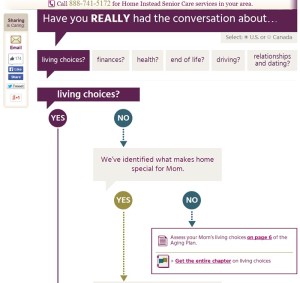
senior care mnHave you really had the conversation with your loved ones about end-of-life wishes? Finances? Future living preferences? When a family lacks clear communication surrounding a loved one’s choices as they age, frustration arises, most often at the worst time. If a senior never expresses his or her desires about end of life care, for example, bedside arguments between family members about “what he would have wanted” or “how she wanted to go” can result. Click here to walk through an interactive guide to find resources that can assist you with the aging considerations you have yet to discuss with your family. If you’ve already had a conversation about health (for instance), click Yes and move onto end-of-life. If not, click No and assess your Mom’s health, considering risks and genetics. Move on from there to making sure Mom is up to date on medical checks and preventative screenings. Each step links to the Action Plan for Successful Aging which includes checklists, thoughts to consider, conversation starters, and resources. This step-by-step approach will open the door to having “the talk” and ensure that all of  the important topics are covered.

Home Instead Senior Care of Minneapolis takes a look at the importance of planning ahead financially for your aging situation through the lens of a mother and her young daughter.

Action Plan for Successful Aging

4070_Aging_PlanBuilding on your conversation, the next step in the 40-70 Rule® is the Action Plan for Successful AgingSM.  Put your plan into action with the assistance of noted experts in aging, finances, health, end of life and communication. This resource will take the guesswork out of some of the issues that many families eventually face. Included are conversation tips and considerations for a variety of circumstances such as living alone, blended families, dementia and religious preferences – topics that so many families are dealing with in today’s world. This Action Plan is written for the individual who wants to face aging with confidence so you may be filling it out with someone you love including a parent, spouse or friend or even for yourself! Topics include:

Living Choices – Where would your patients like to live as they age? Will they stay in their Minnesota home or live in a care facility? Do they need to adapt their home for safety? Who would they call in the event of an emergency? These basic questions will ensure that the family is on the same page about the senior’s future living preferences.

Finances – Have your senior patients calculated the cost involved with meeting their retirement wishes? Have they met with a financial advisor to determine how much they will likely need to cover long-term health care expenses? Calculating the cost now and planning ahead financially can help yield greater peace of mind as they move forward.

Health – Have your patients outlined their goals for a healthy lifestyle as they age? Have they factored their current diet into this equation? Are they up to date on medical checks and health screenings? Addressing health concerns early can be a valuable, preventative tool in successful aging.

End of Life Care Wishes – Many families are not having this important conversation. Without it, they cannot gain a clear understanding of what their parents would like to accomplish before they die or where they would like to end their life. Discussing this difficult topic now will help ensure that the family has a unified plan and advanced directives in place moving forward.

Driving – Most seniors dread the idea of losing the independence associated with driving. Yet, families must be able to address their concerns about driving abilities, not only for the safety of their senior parent but for all with whom they share the road. While the driving topic can often be an emotional one, this chapter provides tips to navigate those emotions and discuss options for independence without a license.

Relationships and Dating – Perhaps Dad passed away and Mom has been spending a lot of time with an older gentleman friend. This can create family awkwardness if intentions aren’t clearly communicated. It’s important for families to talk about the nature of their parents’ relationships and their wishes for companionship as they age. Watch this hysterical video from Mary Maxwell to put yourself in the proper frame of mind!

We hope that completing this plan will help you be better prepared for the road ahead. Download the 40-70 Rule: An Action Plan for Successful Aging to share with your senior loved one, or explore the additional program resources available around these topics so that you and your family has the tools they need to create a successful plan for aging.

Senior Safety Starts at Home

Is home a safe place?

Falls are among the leading causes of death and injury in the senior population especially here in Minneapolis where icy sidewalks can be a hazard.  33% of trips to the ER are caused by falls and other accidents at the home. But families can greatly reduce the risks of accidents by ensuring that their older loved ones have the proper home medical care and support. In fact, Home Instead Senior Care polled over 100 emergency room physicians and 48% said home accidents experienced by seniors could be prevented. Unfortunately, the most common response from families when a senior visits the ER due to a home accident is “I was afraid something like this would happen.”  Yet 85% of seniors have done nothing to prepare their homes for aging.

Watch the video below, “Warning Signs that a Senior is Struggling”, to learn how to spot the warning signs that your parent or senior loved one might already be struggling with mobility and some ways to help. These are just the first steps to making your senior’s home a safe place to be.

Doctors Orders

Many people experience problems with their sense of balance as they get older. 100% of ER doctors said that poor eyesight, mobility problems, balance issues, impaired motor skills and dementia are all very serious risk factors for seniors as potential causes of injuries or accidents at home. In addition, problems in the visual and skeletal systems and the nervous systems can be the source of some posture and balance problems, medical experts say. A circulatory system disorder, such as low blood pressure, can lead to a feeling of dizziness when we suddenly stand up. Problems in the skeletal or visual systems, such as arthritis or eye muscle imbalance, also may cause balance problems. Set up a doctor’s appointment for your senior loved one to determine if he/she has any of these issues.

The CDC offers these tips on how older adults can remain independent and reduce their chances of falling:

grab bar
Some of the most common recommendations include installing assistive equipment in the bathroom and handrails on stairs, removing clutter and tripping hazards, and improving lighting.
  • Exercise regularly. It is important that the exercises focus on increasing leg strength and improving balance, and that they get more challenging over time. Tai Chi programs are especially good.
  • Ask your loved one’s doctors or local Minneapolis pharmacist to review her medicines — both prescription and over-the counter — to identify medicines that may cause side effects or interactions such as dizziness or drowsiness.
  • Have her eyes checked by an eye doctor at least once a year and update her eyeglasses to maximize her vision. Read more about how a senior’s safety is affected by their senses.
  • Make her home safer by reducing tripping hazards and adding grab bars inside and outside the tub or shower and next to the toilet, adding stair railings and improving the lighting in the home.
  • To lower her hip fracture risk, make sure she is getting adequate calcium and vitamin D from food and/or from supplements, and that she gets screened and treated for osteoporosis.
  • Consider purchasing a medical alert system. Lifeline with AutoAlert provides an added layer of protection by automatically placing a call for help if a fall is detected and you can’t push your button because you are disoriented, immobilized, or unconscious.

Risk Factors at Home

65% of seniors’ homes have at least one potential safety issue, according to adult children. The most common issues are tripping hazards, bathrooms without assistive equipment, and storage that is too high or too low.  100% of ER physicians say it is very important that families of seniors invest in basic home safety modifications. Some of the most common recommendations include installing assistive equipment in the bathroom and handrails on stairs, removing clutter and tripping hazards, and improving lighting. Visit one of Liberty Oxygen & Medical Equipment’s 8 locations for a great selection in adaptive equipment.

Check out ways to help make your senior’s home safer by completing a room-by-room safety check.

This video shows simple things you can do to make life easier for your senior loved one using lighting, color and security measures. Suggestions include fixing lighting in dark pathways or rooms, using contrasting color on walls and counters, checking alarms and making sure all doors are secure.

Home Safety Considerations for Families Living with Alzheimer’s

If you are part of a family living with Alzheimer’s disease, it’s important to remember that one of the keys to aging at home is doing so safely. A diagnosis of Alzheimer’s disease does not have to signal the loss of independence and freedom. As many as 70 percent of people living in the U.S. with Alzheimer’s today are doing so in their own homes.

Safety at home begins with adapting the environment to support the changing abilities of the person with Alzheimer’s. We offer some free resources for recognizing and dealing with the challenges of caring for a loved one with Alzheimer’s. Be sure to re-evaluate home safety measures regularly as the disease progresses. Pay special attention to garages, work rooms, basements and outside areas. Inside the home, there are simple things you can do to modify your kitchen, living room, bathrooms and bedrooms to make them safer for the person with Alzheimer’s.alzheimers caregiver mn

  • Invest in installed, working fire extinguishers and smoke detectors.
  • Lock or disguise hazardous areas using child-proof locks and doorknob covers.
  • Limit access to places with knives, appliances and poisonous chemicals.
  • Add textured stickers to slippery surfaces, remove throw rugs, minimize clutter and limit access to stairs to reduce risk of falls.

Enroll the person with dementia in an emergency response service designed specifically for individuals with Alzheimer’s or a related dementia who wander or may have a medical emergency. Should the individual become lost, a caregiver can report the situation to an emergency response network including the local Alzheimer’s Association chapter and law enforcement agencies that will work to get the individual home safely. You may also want to consider a web-based GPS location management service to remotely monitor the person with Alzheimer’s. Learn more about these resources in this video.

If you enlist the help of caregiving professionals to provide care for your loved one with Alzheimer’s or dementia, they’ll be able to point out additional suggestions to make your home a safe environment. Here at Home Instead Senior Care Minneapolis, we provide a home safety evaluation as part of our initial in-home assessment to offer recommendations specific to your living space and the needs of the person with Alzheimer’s or dementia.

Caring for a Loved One with Cancer or Arthritis

caring_cancerThe stress of caring for a seriously or chronically ill senior can take its toll on a spouse. A study from the University of Michigan Comprehensive Cancer Center found little difference in quality of life between patients and spouses, but found significant differences based on the phase of their illness, specifically whether the patient was newly diagnosed, facing a recurrence or living with advanced disease. Couples coping with advanced disease had significantly poorer overall quality of life. Spouses reported lower confidence than patients in their ability to manage the illness, and more uncertainty about the illness; patients also reported more social support than did spouses. Exhausted. Anxious. Overwhelmed. If you are the caregiver of a loved one in MN with cancer or arthritis, it is likely that you relate to all of these emotions. Transportation to and from appointments around Minneapolis, frequent hospital stays, and the sheer scope and duration of the illness are challenges many caregivers of these patients face. What is a caregiver to do when they have little time to care for oneself? One solution is to get respite help. Home Instead Senior Care of Minneapolis CAREGivers are trained to provide specialized care for seniors with serious health issues such as Arthritis and Cancer and, based on our home care experience, offer the following tips and advice to family and professional caregivers.

4 Self-Care Tips for Caregivers of Cancer Patients

1. Invite others in.
As the primary caregiver, no one knows your loved one’s situation as intimately as you do. You may find it hard to break away or trust others to take your place, even in the simplest of tasks, but this is exactly why you should. Inviting a friend or family member to pitch in can be a breath of fresh air for all involved, and it gives you a much-needed break.

2. Delegate transportation.
Between treatments, doctor visits and follow-ups, a cancer patient’s calendar can be grueling to maintain alongside your other day-to-day responsibilities. Delegating your loved one’s transportation to and from appointments to a trusted third party may bring some relief to your strained schedule. If family and friends are not available, contact us to inquire about transportation services as a convenient alternative. We’ll even stay with the senior during the appointment and participate in the doctor’s consultation to take notes for you.

3. Take a coffee break.
Or, take a walk, do some yoga, or just do a little bit of nothing at all. No matter how busy and stress-filled the days get, taking quiet moments for yourself is essential to your wellbeing. As a caregiver, what is essential to your wellbeing is essential to your loved one’s wellbeing. Be intentional about carving out a few minutes several times a day to do something that refreshes you, however simple that something might be.

4. Remember.
The work you are doing is hard work, but it is also good work. Yes, caring for a cancer patient can be physically, mentally and emotionally draining, but your efforts are vitally important. You are making a real, tangible difference in the life of someone you love. Don’t give up, but do take care of yourself.

caring arthritisMore Than Joint Pain: Understanding Seniors and Arthritis
4 suggestions to help support a senior as they deal with the stress of living with arthritis pain:

1. Do your homework.
Did you know osteoarthritis pain usually worsens at the end of the day? Or that arthritis causes more activity limitation in its patients than cancer, heart disease or diabetes? Understanding basic facts about arthritis, as well as the individual symptoms and needs of a senior, is key to understanding the challenges of those who suffer from this disease. Taking a moment to read about types and symptoms of arthritis, maintaining an open dialogue with other members of your senior’s care team, and asking the senior questions about his or her arthritis pain will help you in your efforts to provide excellent care.

2. Put yourself in their shoes.
If you suffered from chronic arthritis-related pain, how would that affect your ability to go about a normal day? What struggles would you encounter in daily chores such as cooking meals, running errands or maintaining your home? Imagining your own life with arthritis can help you understand how everyday tasks can become painful challenges. As your senior discovers his or her problem areas, consider ways you can help provide solutions. Perhaps a home helper is in order or other non-medical services such as assistance with transportation, personal care, meal preparation or medication management.

3. Recommend appropriate, accessible fitness programs.
Regular exercise including stretching, aerobics and strength training can help reduce fatigue and improve strength and flexibility, according to the Arthritis Foundation. Exercising through chronic pain, however, can be intimidating for many senior arthritis sufferers. Encourage physical activity by helping the senior investigate programs at local fitness or community centers where he or she can exercise in a group setting with other seniors. Or, consider directing seniors and their family members to a resource like Get Mom Moving, an online program designed to keep seniors active in ways they enjoy most.

In this video, Dr. Eric Otterberg discusses tips for preventing and living with arthritis. Brought to you by Home Instead Senior Care and the Arthritis Foundation.

4. Be an encourager!
Make sure your senior patients know they are not alone. When you run across a program or piece of information they may find helpful, give them a call or drop it in the mail to them. When you see them, ask direct but gentle questions about their arthritis pain and how it affects their day-to-day activities. Simple gestures like these may not seem significant, but they communicate that the daily challenges facing your senior patient have not gone overlooked. Above all, encourage them to keep going, even in the toughest times.

This arthritis sufferer says it best: “Living with this disease is really hard. There have been days I’ve wanted to give up – just become part of my couch – but I don’t. I fight through the pain, pinching and discomfort every day. If I give up, the arthritis wins; and who wants to lose to arthritis?”

5 Housing Options for Seniors: The Advantages and Disadvantages

by John Stuck
When adult children are choosing housing options in Minnesota for their aging parents, there are 5 choices to consider, aging in place, living with family, assisted living, and skilled nursing homes. Each of these options has its advantages and disadvantages that need to be discussed and seriously considered before making any final decisions. Home care can supplement family and senior facility care to ensure that your loved one’s personal and nursing care needs are being met. This 5-part video series provides a glimpse into what each option would be like & will help guide you in making a senior housing option.

Aging in Place

This means seniors are able to remain in their own home safely and securely. This is a good option to consider if your parent is mostly functional in all areas of their life. When considering this option, it’s important you consult an Aging in Place Specialist to assist you in making any modifications to your parent’s home.

The advantages of this option are that it allows the senior to remain safely and securely in their own residence while keeping their independence. This maintains a familiar environment for your parents and fosters socialization with family, friends, and the community.

The disadvantages are the possible expensive financial investment and time needed to provide safe home modifications, and parents may be reluctant to make these changes to their own home. The average annual cost of this option varies depending on the modifications and home care services your parent may need.

Living with Family

This option can be a labor of love and very rewarding for the family members, but there are many things to consider with this option.

The advantages of this option are its low cost of care, intergenerational bonding, and keeping your loved one close to you in your Minneapolis home.

The disadvantages are the stress that becoming a primary care giver can place on that person, the wear and tear on your home, and caregiver burnout from caring for your parent, your own family and your job. Read more about Caregiver Distress. The average annual cost of this option is approximately $5,000 that covers out of pocket expenses such as transportation, food, extra utilities, etc. Read “Your Place or Mine?” to get helpful advice on making this decision.

Independent Living Communities

These are designed for seniors who are able to live on their own, but would like the convenience and security of living in a retirement community of their peers.

The advantages of this option are a smaller space to maintain, outside maintenance services, possible security of a gated community, enjoyment of being around peers, and it may offer activities, help and services that are needed as the senior grows older.

The disadvantages are the extra monthly fees to the residents, restrictions for grandchildren to visit, possible transportation options may be limited, and proximity to family. The average cost is approximately $3000/month.

Assisted Living Services

This includes 24 hour oversight, food, shelter, and a range of services for the senior. This is a good option when your parent requires more support from professional caregivers and needs help with basic living needs.

The advantages of this option are there are that many are available, on-site medical and pharmaceutical assistance, accommodations for the seniors’ changing physical needs, driving and housekeeping services, social activities, and exercise facilities.

The disadvantages are the financial burden of the monthly expenses, depression of the senior for the loss of independence, limitations of possessions that may be brought to the facility, and less socialization with friends and family members.

Skilled Nursing Home

This includes 24 hour care with registered nurses and medical professionals who are able to care for your loved one. This is an option if your parent is no longer able to care for themselves, and is in need of specialized medical care for physical, mental, or emotional conditions.

The advantage of this option is the skilled medical care that your parent will receive, 24 hour assistance with daily living needs, exercise facilities, and physical therapy. There is often a hospital or medical facility close by the home. Often times, there are separate living areas for seniors with Alzheimer’s Disease which can accommodate for the special care needs and advanced security precautions to ensure your loved one is safe.

The disadvantages are the financial expenses, the time it takes to choose which facility that would be best for your parent, availability of the facility, and the proximity for family members to visit. The average annual cost is approximately $77,000.

These 5 options need to be considered seriously and carefully by the senior and family members to make the best, most informed decision for your aging parent for the years to come.

Your Place or Mine?

by John Stuck
When you begin to notice that your senior loved one is having difficulty maintaining independence in their Minneapolis home, families most often have some decisions to make. Could independence be maintained by hiring home care? Is Mom and/or Dad a candidate for a independent senior apartment? Maybe moving them to a Minnesota assisted living facility is the best option? More adult children are choosing to move their senior loved one into their home. That is why Home Instead Senior Care Minneapolis created the Too Close for Comfort Campaign. Download this guide for boomers and the seniors who live with them.
too_close_for_comfort_booklet

The reasons different generations decide to live together are as varied as the families themselves, but three factors often come into play:

  • Shared Caregiving: Families are coming together to share caregiving duties — either an elderly loved one needs care or an older adult is providing care to his or her grandchildren.
  • Finances: The economy is affecting everyone, especially Minneapolis seniors living on fixed incomes. Moving in with family can sometimes save money on food, utilities, and other essentials.
  • Physical or Emotional Support: Seniors may feel the need for the physical or emotional support of extended family after losing a spouse, dealing with health issues, or having problems maintaining their property.

See how one family found the decision very easy to make and how they’re making cohabitation work for their entire family.

If you’re already living the intergenerational life, perhaps your family has encountered a few challenges. Regardless of the situation, you or your senior loved ones probably have many questions, such as:

  • Is it best financially to maintain separate residences or to move in together?
  • Do you have the resources to take care of your elderly loved one in your home or should you hire home care? Read our latest blog post on the cost of home care and how to pay for it..
  • What role will adult siblings play?
  • If you’re a senior, will you lose your independence?
  • Should you move Mom or Dad to your home, or should you move into theirs?
  • Is the home safe for a senior and, if not, what changes need to be made?
  • How do you handle separate bank and savings accounts, and joint expenses?
  • Are there young children at home? If so, what do they think about it?

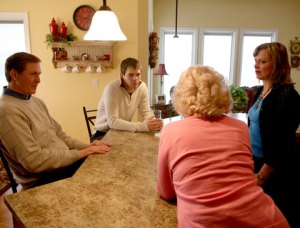
senior_family_meetingCommunication is the key to making your combined family work, says Matthew Kaplan Ph.D., Penn State Intergenerational Programs extension specialist. “Families must address the issues at hand — from multiple perspectives — when they arise…Ask yourself, ‘What can we do to come together and figure things out?'”


Independent research conducted by the Boomer Project on behalf of Home Instead Senior Care sheds new light on the growing population of family caregivers who are choosing to live with and provide home care for a parent.  One of the factors driving this trend is the need for emotional support. For details, view and print the Executive Summary of this research.

The Ups and Downs of Living Together

So what do multigenerational families say about the experience? Living together has its ups and downs.

Positive feelings of care and accomplishment can mix with stress. “Each family member has needs that should be taken into consideration. Individual needs, though, need to be viewed in the context of the health of the overall family unit. People need independence, but interdependence and family unity are important as well, particularly in today’s hectic and demanding world,” Kaplan says.

Support, Inside and Out

If families are living together and seniors need care, adult children will need support inside the home, whether the support comes from other family members or in the form of professional respite assistance.

“The best time to discuss this issue is when you’re willing to give up your house,” Kaplan notes. “That’s when it’s time to get your spouse and children behind the idea and communicate with adult siblings. Talk to your brothers and/or sisters and let them know you may need respite help.”

“When a decision to combine families is made, expectations must be set right away,” he said. “Family members must listen and become engaged in the conversation. The more the family buys in at the beginning, the more likely they will be to come up with great ideas.”

Setting aside time for your nuclear family is important too. “Consistent daily scheduling allows for formal and informal interaction,” Kaplan recommends. “If you do things right, the result is a strong, more unified family.”

Home Instead Senior Care worked with Matthew Kaplan Ph.D. to develop these tips for the multigenerational family.

  1. Take a family partnership perspective. Everyone needs to be informed and to give input into the arrangements.
  2. Set expectations right away. People understand it’s not just what they get out of it, but how they fit into the family.
  3. Ask for help. Engage your children in responsibilities around the home and make it clear to adult siblings that you expect them to be involved. If extended family members will not help with respite care, arrange for a professional caregiver service.
  4. Distinguish between private space and shared space. Shared space should be stocked with material inviting for all ages and items that could stimulate discussion, such as a child’s project or “brag book” of photos. Make clear rules regarding the private spaces set aside for each member of the household.
  5. Make family unity key. Routines, rituals and traditions help draw the family unit together. Plan a family movie or game night or take a walk together.
  6. Keep lines of communication open. Recognize the importance of “my time” and “our time.” Try to take everyone’s needs into account. Visit www.4070talk.com for more information about bridging the communication gap between seniors and their boomer children.
  7. Find threads of common interest and build on those to develop deeper relationships. Focus on activities that provide simple ways to generate a common bond, such as ethnic cooking, family history, health or wellness.

“The main challenge of a multigenerational family is navigating individual needs and family needs,” Kaplan noted. With open communication and a well thought-out plan, the process of moving and experience living together with a senior loved one can be beneficial and rewarding.

Successful Family Gatherings With a Senior Who Has Alzheimer’s

By John Stuck
senior giftsIn November, we had a great chat with Dr. Amy D’Aprix and Confidence to Care author Molly Carpenter about dealing with Alzheimer’s and other dementias around the holidays. In case you missed the live chat, download the transcript here! This sparked a lot of conversation from those caring for a senior with Alzheimer’s which continued in December when we chatted with expert David Troxel about Alzheimer’s and Other Dementias: Handling Anger and Combativeness. View the transcript of that discussion as well! molly carpenterBetter yet, join Molly Carpenter on January 21st in a live webchat where you’ll learn tips from other caregivers who have been in similar situations, discuss the successes and challenges you face day to day and share your advice and offer solutions. Register Today!

Whether you’re anticipating a holiday get-together in Minnesota, an anniversary celebration or a family birthday party, including a loved one with Alzheimer’s often requires special considerations. Here are four pieces of advice about hosting a successful holiday family get-together with a family member who has Alzheimer’s:

1. Stick to a familiar environment. Even if Grandma isn’t able to cook the meal this year, consider gathering at her home in Minneapolis like always. Less change, less anxiety.

2. Adjust expectations. If your loved one with Alzheimer’s can’t handle cooking the meal, go the easy route! Purchase the entire cooked meal from a grocery store and use disposalable or dishwasher-safe dishes. Same great family time, less hassle and stress.

3. Prep the kids. Talk to younger family members ahead of time about being patient with Mom or Dad and offer conversation tips. For example, instead of saying, “You already asked me that, Grandma,” just politely answer her question and change the subject to something new.

4. Create opportunities to reminisce. Keep traditions alive such as decorating cookies or doing a craft. Great activities keep the kids busy, and your loved one may not struggle as much with their memory when they’re recalling happy stories from long ago.
alz_app
Hopefully these tips are helpful to you and your other family members who are adapting to the reality of your loved one’s memory loss.

Alzheimer’s and Other Dementias Daily Advice App

In addition to trying this advice, I invite you to download the free Alzheimer’s and Other Dementias Daily Companion iPhone app, you can search for helpful tips there, too.

Gaining the Confidence to Care Book

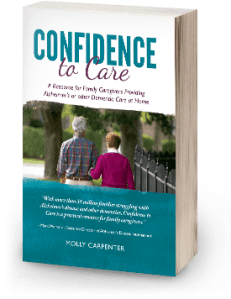
This book focuses on both memory and behavior symptoms that family caregivers often need help with, including their senior loved one’s resistance to common personal care activities. Each of these chapters offer plenty of care approaches and prevention tips, and begin with a relevant and moving real-life family caregiver story.

cta-book-large

Get 3 Free Chapters now Or, Get the Entire Book for Free!

To request a free copy of the book, go to our Contact Us page, enter your information and, in the Comments section, provide your address and note that you’d like the Confidence to Care book. We’ll ship it to you for free! If you’d like to share about your experience with Alzheimer’s and the holidays or managing your loved one’s repetitive behaviors, join our book discussion.

One of the chapters in the book focuses on Anger and Aggression. Here’s a snapshot of what some of you have shared about your experience with anger and aggression in a loved one with Alzheimer’s or other dementias:

“My husband was such a gentle man, but now he has fits of angry outbursts.”

“Mom is quick to raise her voice and become angry with me. I am her daughter and live-in caregiver for the past 2+ years.”

“My mom-in-law has dementia, & it’s really getting bad. She slaps me, curses me, but I just walk it off. It’s really hard, but that’s what I do. It’s really, really hard. Believe me.”

My hope in sharing these experiences is that if you’re dealing with similar behaviors, you’ll find some amount of comfort and hope in the realization that you are not alone.

(Before I go on, I should also mention that not all people with Alzheimer’s or other dementias eventually become violent or aggressive. While these situations happen in some cases, not everyone experiences these behaviors.)

If you are at a loss for how to deal with a loved one’s aggression or anger, I want to assure you that there are ways to help minimize those behaviors.

Here are a few couple tips from the Alzheimer’s and Other Dementias Daily Companion app that the caregivers in our Minneapolis community found most helpful:

  1. Arguing with someone with dementia isn’t helpful. It often adds to their frustration and anger. Try redirection instead.
  2. Look for triggers. Was your loved one scared, tired or frustrated? Did you push them too hard to take that shower?

For additional tips, you can download the app for free or access aggression and anger tips via the Home Instead Senior Care Dementia Support Network online.

(By the way, many of you have asked about an Android version of the app. Currently it is only available for iPhone, but an Android version is in the works! Stay tuned.)

Finally, I invite you to learn more about our Alzheimer’s and dementia CARE services where you can request a CAREGiver who can assist and monitor your loved one so that you can enjoy your holiday gathering as well.

Seniors and Sex

seniors-and-sexRecent trends in sexual activity among seniors indicate that the taboo topic of seniors and sex can no longer be ignored. Not only can sexuality assist in combatting loneliness and depression as we age, but statistics show that most seniors are more sexually active than their families, care communities and home care providers realize.

So what are seniors saying—or not saying—about sex?

They Have It
A study by the New England Journal of Medicine reports that over 25 percent of seniors aged 75-85 are sexually active. The number rises above 50 percent for seniors ages 65-74. Whether or not senior sexual activity is being candidly discussed within families and health care settings, the statistics are clear: many seniors are having sex.

Their Children Aren’t Asking About It
Sex and dating are, quite literally, the last thing adult children want to talk about with their senior parents, according to results from a survey commissioned Home Instead Senior Care® and summarized on Canada.com. Only a third of adult children reported that they are even the least bit comfortable with the topic. The percentage of seniors who are sexually active and the hesitation of most families to discuss this activity suggest a dangerous communication barrier when it comes to seniors and sex.

They May Not Be Aware Of The Risks
Perhaps most staggering is this statistic cited by CBS News: Sexually transmitted diseases have more than doubled over the past decade in the 50-90 demographic. The assumption that all seniors are aware of the commonly known risks associated with sexual activity is false. Senior baby boomers originally became sexually active at a time when facts about STDs and safe sex were not as readily available as they are today. Add this to existing challenges, such as lack of privacy in community living, and the question of seniors and sex becomes quite complex.

What Does This Mean For Senior Caregivers?
The realities of seniors and sex suggest that professionals in the elder care community need to begin an open and frank discussion with seniors and their families about seniors’ needs for physical connection and emotional intimacy. This is no easy task, but there are helpful resources available. One resource you may encourage seniors and their families to use is the 40/70 Guide. This guide provides discussion tips and strategies to start those difficult conversations. The 40/70 Rule® refers to the respective ages of adult children and their senior parents when they should begin to talk about various aging topics.

It’s also important to acknowledge the role that living situations play in protecting a senior’s privacy and independence. Aging in place resources may be key in retaining an environment where both physical and emotional needs of a senior can be met. Visit HomeInstead.com to learn more about how home care services can help seniors retain their independence.

The Trees Are Up! Be a Santa to a Senior!

senior videoIf you’re wondering what the Be a Santa to a Senior program is all about, one senior who received a gift from us last year explains it perfectly, “It shows there are angels on Earth.”   Trees are set up all over Minneapolis making it easy for you to be an “angel”. Tags on the trees show names of appreciative seniors like the one in this video that can’t wait to receive a gift. KSTP reporter Joe Mazan interviewed Home Instead Senior Care Minneapolis’  own John Stuck as a proud supporter of the Be a Santa to a Senior program.

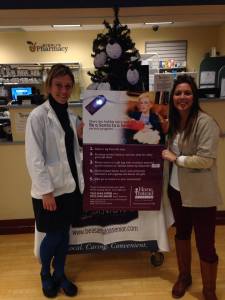
senior trees

Join the Be a Santa to a Senior Campaign

The Be a Santa to a Senior® campaign is all about helping seniors who are alone or in need. The campaign, which first launched in 2006 by our parent organization, helps seniors to get a little TLC during the holidays. The Minneapolis office of the Home Instead Senior Care® network, the world’s largest provider of non-medical in-home care and companionship services for older adults, has partnered with local non-profits groups like East Side Neighborhood Services in Minneapolis, Little Brothers Friends of the Elderly, Meals on Wheels and several Lunds/Byerlys, several nursing homes and low income housing to provide gifts and companionship to seniors who otherwise might not receive either this holiday season. It began with just one nursing home, and has since grown into a movement.

Now you can help brighten a senior’s life too.

How to Participate in Be a Santa to a Senior

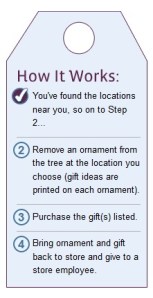
senior_gift_tag Here’s how it works:
1. Head to any of the following locations:

  • Lund’s or Byerly’s stores with pharmacies in Minnetonka, St. Louis Park, Wayzata, Plymouth or downtown Minneapolis, MN
  • Starbucks 2661 Campus Drive, Plymouth, MN
  • Starbucks 16725 C.R. 24, Plymouth, MN
  • Starbucks 7802 Olson Memorial Highway, Golden Valley, MN
  • Home Instead Senior Care of MPLS, 9684 63rd Ave N., Maple Grove, MN 55369

2. Locate the Christmas trees, and choose any ornament with a senior’s name on it. You will find gift suggestions for that senior printed on the ornament.
3. Purchase the item(s) listed, put the item in a gift bag, return to the store with the ornament and deliver them to a store employee.

Hurry! The program ends soon, giving us time to gather and distribute the gifts to seniors. If we are going to meet and possibly exceed last year’s amazing accomplishment of delivering over 2,000 gifts, we need your help!Your participation can make a difference!

be_a_santa_to_a_senior_mplsAbout the Be a Santa to a Senior Campaign

Here’s how the program works. The Home Instead Senior Care network partners with local non-profit and community organizations. Together they identify seniors who perhaps live alone, do not have family members nearby, or are experiencing financial difficulties. The program targets many seniors who otherwise might not receive gifts or visits from family during the holidays.

Home Instead Minneapolis then works with local businesses and retail stores that are willing to help by placing trees and ornaments within their various locations. The involvement from busy stores gives the program visibility and provides a convenient way for shoppers to volunteer their assistance during the busy holiday season.

Since its inception, the Be a Santa to a Senior has attracted nearly 60,000 volunteers throughout North America, and has provided 1.2 million gifts to over 700,000 seniors who are in need of assistance or companionship. Now you can join the movement and help a senior in your Minnesota community.

Need Further Information?

The Be a Santa to a Senior website, provides a locator tool that enables you to find a store by zip code.

Get Involved With Home Instead’s Initiatives to Help Minnesota Seniors

Be a Santa to a SeniorBy Home Instead Senior Care

The snow is just starting to sneak up on us here in Minnesota and the Be a Santa to a Senior®  campaign is in our sights! This popular campaign that delivered more than 2,500 gifts in 2012 to local needy Minnesota seniors needs your help to provide even more gifts and companionship this year to seniors in the Minneapolis area who otherwise might not receive either.

“Seniors faced with medical bills and the high cost of living can find they have little left at the end of the year,” said John Stuck, owner of the Home Instead Senior Care office serving Minneapolis and the Western Suburbs.

Senior SantaChristmas trees will be going up soon in which generous folks will pick up ornaments with the first names of seniors and their gift requests, buy items on the list and return them in a gift bag to the location. From there, gifts need to be collected, organized, stored & distributed and that’s where we need your help! If you are a corporation, church group, school group or senior care residence who has compassionate volunteers and space to store gifts, please consider volunteering your time and location to our Be a Santa to a Senior program.

The huge success of last year’s program would not have been possible without our partners which include Byerly’s & Lund’s Pharmacy locations, Starbucks, TwinWest Chamber of Commerce, Mulitband, Minneapolis Women’s Club, Park Nicollet Orthopedic Group, Sharepoint Credit Union, MN School of Business, Woodland Elementary. Please consider adding your name to this list and putting a smile on thousands of seniors’ faces.

Contact Us Today!

Join Our Book Discussion – cta-book-largeGaining the Confidence to Care

Subscribe to our blog, Like us on Facebook or Follow us on Twitter to respond to discussion topics we’ll be posting over the next month. We’d love your feedback and fellow caregivers will love your ideas!

Get 3 Free Chapters now Or, Get the Entire Book for Free!

To request a free copy of the book, go to our Contact Us page, enter your information and, in the Comments section, provide your address and note that you’d like the Confidence to Care book. We’ll ship it to you for free!

What You’ll Learn from This Book

This book focuses on both memory and behavior symptoms that family caregivers often need help with, including their senior loved one’s resistance to common personal care activities. Each of these chapters offer plenty of care approaches and prevention tips, and begin with a relevant and moving real-life family caregiver story. The chapter topics include:

  • Aggression and Anger
  • Agitation and Anxiety
  • Bedtime Struggles and Sleep Problems
  • Confusion and Memory Loss
  • Delusions
  • False Accusations and Paranoia
  • Hiding/Misplacing Things/Rummaging
  • Hostility
  • Judgment (problems with decision-making and problem-solving)
  • Medication Mismanagement
  • Mood Changes
  • Repetition
  • Sexually Inappropriate Behavior
  • Social Withdrawal
  • Wandering

All profits from this book will be donated to the Home Instead Senior Care Foundation and designated for dementia-related organizations and causes.