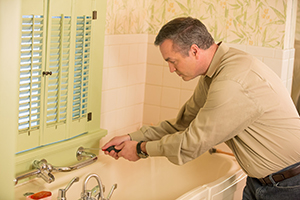
Senior-Friendly Home Adaptations

by John Stuck
adaptive_remodeling_mnIf after reading our blog post, 5 Housing Options for Seniors: the Advantages and Disadvantages, you’re considering the Aging in Place or Living With Family options, you may need to make some home adaptions to keep your senior loved one safe in their (or your) Minnesota home. As we mentioned, home modifications can be expensive but armed with expert advice, a solid plan and a clear vision that both you and the senior share, the experience can be positive. Most importantly, you will be rewarded with a sense of safety and security.

Research conducted by Home Instead, Inc.  provides a compelling look at senior home safety. The survey of ER doctors, seniors and adult children reveals that home isn’t always the safe haven that seniors and their loved ones dream about.  100% of ER doctors in the U.S. and Canada say it’s very important for adult children to perform a safety check of their aging parents’ homes once every year. But in the last year, only 44% (41% in Canada) have done this. Watch the Aging in Place video shown on our Housing Options blog post for some special considerations. To help families reduce the risk of injury in a senior’s home, we’re offering a free home safety checklist, an online safety assessment and recommendations for inexpensive modifications that could ensure the safety of older loved ones as part of the organization’s Making Home Safer for SeniorsSM program. To request a free home safety checklist and other materials, please call us at 763-544-5988 or fill out our contact form.

To gather this important information, we worked with specialists such as Dan Bawden, a remodeling contractor and the founder of the Certified Aging in Place Specialists (CAPS) program for the National Association of Home Builders. He offers some concerns for bringing your senior loved one into your home, along with affordable and easy fixes. (Prices are “typical” but may vary somewhat by geographical area.) Click here to download this information, print and share with a senior.

Comfort and Safety: Senior-Friendly Homes
Security Osteoporosis changes the height of some seniors, making it difficult for them to look through a door’s peephole. The Fix Add an additional, lower peephole to your front door at a cost of about $40.
Glare Glare from windows in a living or family room also can be a problem for seniors, whose eyes are more sensitive. The Fix Mini, micro or Venetian blinds can be purchased for as low as $35 to $50 and installed for about $35.
Inadequate Storage Wonder what to do with all of your elderly loved one’s possessions when they move in with you? The Fix Turn your attic into a storeroom for your senior’s possessions by installing 3/4 inch plywood sheets to your attic floor beams. Use screws, not nails, so they can be removed to get to wiring and plumbing in the future. Cost for a 150 square foot storage platform: $900.
Falls Seniors may be vulnerable to falls, particularly on or near stairs. The Fix Remove area rugs on and near the top and bottom of stairs. Make sure railings are on both sides of the stairs. Cost to add railings on one side: between $200 and $300.
Lighting Macular Degeneration and other eye issues can make older adults susceptible to vision problems. The Fix Recessed lighting — four lights placed about four feet from the corners of the ceiling — provides excellent bedroom light for older adults. Cost installed: about $150 per light fixture or $600 for a bedroom. Remodeling using contrasting colors (e.g. on stairs) can help with depth perception.
Tripping Changes in floor height between a hallway and bedroom door entry can be a tripping hazard. The Fix A wood transition strip can be installed to even out the difference. Cost? About $100.
Burns Older adults with mobility issues can be vulnerable to cooking accidents. The Fix Ovens on the market now open from the side, making it easier for someone in a wheelchair or with a walker. Cost: between $800 and $1,000.
Scalding Hot water from older faucets and valves in the shower and tub could scald a senior with neuropathy. Too cold and it can startle a senior, leading to a fall or other injury. The Fix A device in newer faucets controls the temperature and equalizes pressure when someone is showering and another family member flushes the toilet. Cost to replace older faucets and valves: about $500. Add another $500 if tile work and repairs are needed.
Slick Surfaces Bathrooms are the most dangerous rooms in the house because of slick surfaces that can contribute to falls. The Fix Install grab bars. Very attractive decorative grab bars are available at home improvement stores for about $50-$75 each. Cost to install, including the bar, about $200.
Arthritis Older adults with arthritis often cannot open round door knobs. The Fix Put lever handles on interior doors and in and out of the house. If you don’t want to replace the entire door knob, lever door knob adapters cost around $20 and can be purchased at online specialty equipment companies.
Entry Hazards Seniors coming to the front door with groceries or other packages may be at risk of dropping their merchandise or, even worse, falling. The Fix Family members or a contractor can construct a shelf on the outside of the house on which to set keys and packages. Shelves and brackets can be purchased at home improvement stores. Cost for materials and installation, $75.
Kitchen Faucet Navigating a kitchen faucet and separate spray hose can be difficult for some seniors. The Fix Kitchen faucets may be replaced with an all-in-one faucet and spray hose for easier use. A soap dispenser can then be placed in the hole that once held the spray hose. Cost for the improvement, about $350.
Kitchen Tasks Kneading bread and other kitchen tasks that might require sitting are more difficult for seniors in wheelchairs. The Fix A rolling island can be safer and more convenient. Cost: about $500.
Carpets Thick family room carpet can be a safety hazard for some seniors. The Fix A low-pile commercial grade carpet is cheaper than conventional carpet, is easier to keep clean and safer for walkers and wheelchairs. Cost: about $20 per square yard; half the cost of regular carpet and pad.
Doors Hinged closet doors may be more difficult for seniors to navigate around and take up more space. The Fix Replace hinged closet doors with bi-fold doors that fold back onto the wall for full access, and add a light to the closet; for an estimated cost of $500.
911 Emergency Could your senior loved one get help fast in an emergency if he or she were home alone? The Fix A telephone is available that prompts the numbers plaque on your house to flash when a caller dials 911 so the ambulance can more easily locate the house. Cost: about $450.

5 Fixes Under $500

In addition, Bawden offers the following safety suggestions for budget-conscious families.

  1. Replace wall-mount shower heads with handheld shower heads on a hose.
    Handheld shower heads are both convenient and safe because a senior can use the device as a fixed shower head – adjustable to the proper height – or convert it to a handheld one.
    Cost: generally less than $100. With a plumber’s help, could be up to $175 to $200.
  2. Install grab bars on the wall near the shower or tub.
    Seniors who become unsteady on their feet or start to have balance problems could be tempted to grab on to a towel bar or shower curtain and put themselves at risk of falls. Head to a big box store or super center.
    Cost: typically $30 to $60 for a good quality bar. With a pro’s help, an estimated $175 to $200 per bar for parts and labor.
  3. Convert to lever handle faucets.
    Water flow and temperature could be easier for arthritic fingers to control with a lever faucet, rather than one that twists on and off.
    Cost: usually between $170 and $250. Add about $150 to $200 for a plumber to install.
  4. Add lighting to closets and pantries.
    Dark closets could not only be safety hazards, they could make dressing more difficult for seniors.
    Cost: With attic access, a qualified electrician could install a light for around $250. Cost to add a battery-operated light: typically less than $25.
  5. Add swing clear hinges.
    Narrow doorways could be difficult for walkers and wheelchairs to navigate. Replacing standard hinges with “swing clear hinges” allows the door to swing completely clear of the door opening. This can add an extra 1.5 to 2” of clearance without widening the doorway.
    Cost of a handyman or trim carpenter: about $150. A pair of these hinges generally costs between $20 and $30.

Note: Estimates shown are U.S. only. Costs may differ in Canada. Contact a local Home Instead Senior Care franchise office in Canada for more information.

Many issues could impact an older adult’s ability to remain at home, including the effects of aging on the senses. Don’t shy away from talking with an aging parent about sensitive issues such as home safety.

A little extra help at home could be just what an older adult needs to stay safe. In fact, doctors estimate that 61% of seniors in the U.S. (66% in Canada) who come to the emergency room could benefit from more help at home.

5 Housing Options for Seniors: The Advantages and Disadvantages

by John Stuck
When adult children are choosing housing options in Minnesota for their aging parents, there are 5 choices to consider, aging in place, living with family, assisted living, and skilled nursing homes. Each of these options has its advantages and disadvantages that need to be discussed and seriously considered before making any final decisions. Home care can supplement family and senior facility care to ensure that your loved one’s personal and nursing care needs are being met. This 5-part video series provides a glimpse into what each option would be like & will help guide you in making a senior housing option.

Aging in Place

This means seniors are able to remain in their own home safely and securely. This is a good option to consider if your parent is mostly functional in all areas of their life. When considering this option, it’s important you consult an Aging in Place Specialist to assist you in making any modifications to your parent’s home.

The advantages of this option are that it allows the senior to remain safely and securely in their own residence while keeping their independence. This maintains a familiar environment for your parents and fosters socialization with family, friends, and the community.

The disadvantages are the possible expensive financial investment and time needed to provide safe home modifications, and parents may be reluctant to make these changes to their own home. The average annual cost of this option varies depending on the modifications and home care services your parent may need.

Living with Family

This option can be a labor of love and very rewarding for the family members, but there are many things to consider with this option.

The advantages of this option are its low cost of care, intergenerational bonding, and keeping your loved one close to you in your Minneapolis home.

The disadvantages are the stress that becoming a primary care giver can place on that person, the wear and tear on your home, and caregiver burnout from caring for your parent, your own family and your job. Read more about Caregiver Distress. The average annual cost of this option is approximately $5,000 that covers out of pocket expenses such as transportation, food, extra utilities, etc. Read “Your Place or Mine?” to get helpful advice on making this decision.

Independent Living Communities

These are designed for seniors who are able to live on their own, but would like the convenience and security of living in a retirement community of their peers.

The advantages of this option are a smaller space to maintain, outside maintenance services, possible security of a gated community, enjoyment of being around peers, and it may offer activities, help and services that are needed as the senior grows older.

The disadvantages are the extra monthly fees to the residents, restrictions for grandchildren to visit, possible transportation options may be limited, and proximity to family. The average cost is approximately $3000/month.

Assisted Living Services

This includes 24 hour oversight, food, shelter, and a range of services for the senior. This is a good option when your parent requires more support from professional caregivers and needs help with basic living needs.

The advantages of this option are there are that many are available, on-site medical and pharmaceutical assistance, accommodations for the seniors’ changing physical needs, driving and housekeeping services, social activities, and exercise facilities.

The disadvantages are the financial burden of the monthly expenses, depression of the senior for the loss of independence, limitations of possessions that may be brought to the facility, and less socialization with friends and family members.

Skilled Nursing Home

This includes 24 hour care with registered nurses and medical professionals who are able to care for your loved one. This is an option if your parent is no longer able to care for themselves, and is in need of specialized medical care for physical, mental, or emotional conditions.

The advantage of this option is the skilled medical care that your parent will receive, 24 hour assistance with daily living needs, exercise facilities, and physical therapy. There is often a hospital or medical facility close by the home. Often times, there are separate living areas for seniors with Alzheimer’s Disease which can accommodate for the special care needs and advanced security precautions to ensure your loved one is safe.

The disadvantages are the financial expenses, the time it takes to choose which facility that would be best for your parent, availability of the facility, and the proximity for family members to visit. The average annual cost is approximately $77,000.

These 5 options need to be considered seriously and carefully by the senior and family members to make the best, most informed decision for your aging parent for the years to come.

Your Place or Mine?

by John Stuck
When you begin to notice that your senior loved one is having difficulty maintaining independence in their Minneapolis home, families most often have some decisions to make. Could independence be maintained by hiring home care? Is Mom and/or Dad a candidate for a independent senior apartment? Maybe moving them to a Minnesota assisted living facility is the best option? More adult children are choosing to move their senior loved one into their home. That is why Home Instead Senior Care Minneapolis created the Too Close for Comfort Campaign. Download this guide for boomers and the seniors who live with them.
too_close_for_comfort_booklet

The reasons different generations decide to live together are as varied as the families themselves, but three factors often come into play:

  • Shared Caregiving: Families are coming together to share caregiving duties — either an elderly loved one needs care or an older adult is providing care to his or her grandchildren.
  • Finances: The economy is affecting everyone, especially Minneapolis seniors living on fixed incomes. Moving in with family can sometimes save money on food, utilities, and other essentials.
  • Physical or Emotional Support: Seniors may feel the need for the physical or emotional support of extended family after losing a spouse, dealing with health issues, or having problems maintaining their property.

See how one family found the decision very easy to make and how they’re making cohabitation work for their entire family.

If you’re already living the intergenerational life, perhaps your family has encountered a few challenges. Regardless of the situation, you or your senior loved ones probably have many questions, such as:

  • Is it best financially to maintain separate residences or to move in together?
  • Do you have the resources to take care of your elderly loved one in your home or should you hire home care? Read our latest blog post on the cost of home care and how to pay for it..
  • What role will adult siblings play?
  • If you’re a senior, will you lose your independence?
  • Should you move Mom or Dad to your home, or should you move into theirs?
  • Is the home safe for a senior and, if not, what changes need to be made?
  • How do you handle separate bank and savings accounts, and joint expenses?
  • Are there young children at home? If so, what do they think about it?

senior_family_meetingCommunication is the key to making your combined family work, says Matthew Kaplan Ph.D., Penn State Intergenerational Programs extension specialist. “Families must address the issues at hand — from multiple perspectives — when they arise…Ask yourself, ‘What can we do to come together and figure things out?'”


Independent research conducted by the Boomer Project on behalf of Home Instead Senior Care sheds new light on the growing population of family caregivers who are choosing to live with and provide home care for a parent.  One of the factors driving this trend is the need for emotional support. For details, view and print the Executive Summary of this research.

The Ups and Downs of Living Together

So what do multigenerational families say about the experience? Living together has its ups and downs.

Positive feelings of care and accomplishment can mix with stress. “Each family member has needs that should be taken into consideration. Individual needs, though, need to be viewed in the context of the health of the overall family unit. People need independence, but interdependence and family unity are important as well, particularly in today’s hectic and demanding world,” Kaplan says.

Support, Inside and Out

If families are living together and seniors need care, adult children will need support inside the home, whether the support comes from other family members or in the form of professional respite assistance.

“The best time to discuss this issue is when you’re willing to give up your house,” Kaplan notes. “That’s when it’s time to get your spouse and children behind the idea and communicate with adult siblings. Talk to your brothers and/or sisters and let them know you may need respite help.”

“When a decision to combine families is made, expectations must be set right away,” he said. “Family members must listen and become engaged in the conversation. The more the family buys in at the beginning, the more likely they will be to come up with great ideas.”

Setting aside time for your nuclear family is important too. “Consistent daily scheduling allows for formal and informal interaction,” Kaplan recommends. “If you do things right, the result is a strong, more unified family.”

Home Instead Senior Care worked with Matthew Kaplan Ph.D. to develop these tips for the multigenerational family.

  1. Take a family partnership perspective. Everyone needs to be informed and to give input into the arrangements.
  2. Set expectations right away. People understand it’s not just what they get out of it, but how they fit into the family.
  3. Ask for help. Engage your children in responsibilities around the home and make it clear to adult siblings that you expect them to be involved. If extended family members will not help with respite care, arrange for a professional caregiver service.
  4. Distinguish between private space and shared space. Shared space should be stocked with material inviting for all ages and items that could stimulate discussion, such as a child’s project or “brag book” of photos. Make clear rules regarding the private spaces set aside for each member of the household.
  5. Make family unity key. Routines, rituals and traditions help draw the family unit together. Plan a family movie or game night or take a walk together.
  6. Keep lines of communication open. Recognize the importance of “my time” and “our time.” Try to take everyone’s needs into account. Visit www.4070talk.com for more information about bridging the communication gap between seniors and their boomer children.
  7. Find threads of common interest and build on those to develop deeper relationships. Focus on activities that provide simple ways to generate a common bond, such as ethnic cooking, family history, health or wellness.

“The main challenge of a multigenerational family is navigating individual needs and family needs,” Kaplan noted. With open communication and a well thought-out plan, the process of moving and experience living together with a senior loved one can be beneficial and rewarding.

Successful Family Gatherings With a Senior Who Has Alzheimer’s

By John Stuck
senior giftsIn November, we had a great chat with Dr. Amy D’Aprix and Confidence to Care author Molly Carpenter about dealing with Alzheimer’s and other dementias around the holidays. In case you missed the live chat, download the transcript here! This sparked a lot of conversation from those caring for a senior with Alzheimer’s which continued in December when we chatted with expert David Troxel about Alzheimer’s and Other Dementias: Handling Anger and Combativeness. View the transcript of that discussion as well! molly carpenterBetter yet, join Molly Carpenter on January 21st in a live webchat where you’ll learn tips from other caregivers who have been in similar situations, discuss the successes and challenges you face day to day and share your advice and offer solutions. Register Today!

Whether you’re anticipating a holiday get-together in Minnesota, an anniversary celebration or a family birthday party, including a loved one with Alzheimer’s often requires special considerations. Here are four pieces of advice about hosting a successful holiday family get-together with a family member who has Alzheimer’s:

1. Stick to a familiar environment. Even if Grandma isn’t able to cook the meal this year, consider gathering at her home in Minneapolis like always. Less change, less anxiety.

2. Adjust expectations. If your loved one with Alzheimer’s can’t handle cooking the meal, go the easy route! Purchase the entire cooked meal from a grocery store and use disposalable or dishwasher-safe dishes. Same great family time, less hassle and stress.

3. Prep the kids. Talk to younger family members ahead of time about being patient with Mom or Dad and offer conversation tips. For example, instead of saying, “You already asked me that, Grandma,” just politely answer her question and change the subject to something new.

4. Create opportunities to reminisce. Keep traditions alive such as decorating cookies or doing a craft. Great activities keep the kids busy, and your loved one may not struggle as much with their memory when they’re recalling happy stories from long ago.
alz_app
Hopefully these tips are helpful to you and your other family members who are adapting to the reality of your loved one’s memory loss.

Alzheimer’s and Other Dementias Daily Advice App

In addition to trying this advice, I invite you to download the free Alzheimer’s and Other Dementias Daily Companion iPhone app, you can search for helpful tips there, too.

Gaining the Confidence to Care Book

This book focuses on both memory and behavior symptoms that family caregivers often need help with, including their senior loved one’s resistance to common personal care activities. Each of these chapters offer plenty of care approaches and prevention tips, and begin with a relevant and moving real-life family caregiver story.

cta-book-large

Get 3 Free Chapters now Or, Get the Entire Book for Free!

To request a free copy of the book, go to our Contact Us page, enter your information and, in the Comments section, provide your address and note that you’d like the Confidence to Care book. We’ll ship it to you for free! If you’d like to share about your experience with Alzheimer’s and the holidays or managing your loved one’s repetitive behaviors, join our book discussion.

One of the chapters in the book focuses on Anger and Aggression. Here’s a snapshot of what some of you have shared about your experience with anger and aggression in a loved one with Alzheimer’s or other dementias:

“My husband was such a gentle man, but now he has fits of angry outbursts.”

“Mom is quick to raise her voice and become angry with me. I am her daughter and live-in caregiver for the past 2+ years.”

“My mom-in-law has dementia, & it’s really getting bad. She slaps me, curses me, but I just walk it off. It’s really hard, but that’s what I do. It’s really, really hard. Believe me.”

My hope in sharing these experiences is that if you’re dealing with similar behaviors, you’ll find some amount of comfort and hope in the realization that you are not alone.

(Before I go on, I should also mention that not all people with Alzheimer’s or other dementias eventually become violent or aggressive. While these situations happen in some cases, not everyone experiences these behaviors.)

If you are at a loss for how to deal with a loved one’s aggression or anger, I want to assure you that there are ways to help minimize those behaviors.

Here are a few couple tips from the Alzheimer’s and Other Dementias Daily Companion app that the caregivers in our Minneapolis community found most helpful:

  1. Arguing with someone with dementia isn’t helpful. It often adds to their frustration and anger. Try redirection instead.
  2. Look for triggers. Was your loved one scared, tired or frustrated? Did you push them too hard to take that shower?

For additional tips, you can download the app for free or access aggression and anger tips via the Home Instead Senior Care Dementia Support Network online.

(By the way, many of you have asked about an Android version of the app. Currently it is only available for iPhone, but an Android version is in the works! Stay tuned.)

Finally, I invite you to learn more about our Alzheimer’s and dementia CARE services where you can request a CAREGiver who can assist and monitor your loved one so that you can enjoy your holiday gathering as well.

The Trees Are Up! Be a Santa to a Senior!

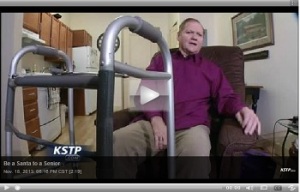
senior videoIf you’re wondering what the Be a Santa to a Senior program is all about, one senior who received a gift from us last year explains it perfectly, “It shows there are angels on Earth.”   Trees are set up all over Minneapolis making it easy for you to be an “angel”. Tags on the trees show names of appreciative seniors like the one in this video that can’t wait to receive a gift. KSTP reporter Joe Mazan interviewed Home Instead Senior Care Minneapolis’  own John Stuck as a proud supporter of the Be a Santa to a Senior program.

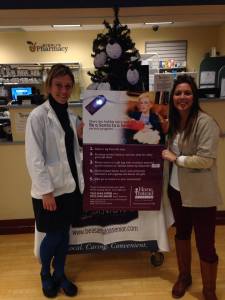
senior trees

Join the Be a Santa to a Senior Campaign

The Be a Santa to a Senior® campaign is all about helping seniors who are alone or in need. The campaign, which first launched in 2006 by our parent organization, helps seniors to get a little TLC during the holidays. The Minneapolis office of the Home Instead Senior Care® network, the world’s largest provider of non-medical in-home care and companionship services for older adults, has partnered with local non-profits groups like East Side Neighborhood Services in Minneapolis, Little Brothers Friends of the Elderly, Meals on Wheels and several Lunds/Byerlys, several nursing homes and low income housing to provide gifts and companionship to seniors who otherwise might not receive either this holiday season. It began with just one nursing home, and has since grown into a movement.

Now you can help brighten a senior’s life too.

How to Participate in Be a Santa to a Senior

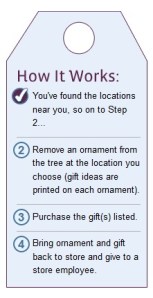
senior_gift_tag Here’s how it works:
1. Head to any of the following locations:

  • Lund’s or Byerly’s stores with pharmacies in Minnetonka, St. Louis Park, Wayzata, Plymouth or downtown Minneapolis, MN
  • Starbucks 2661 Campus Drive, Plymouth, MN
  • Starbucks 16725 C.R. 24, Plymouth, MN
  • Starbucks 7802 Olson Memorial Highway, Golden Valley, MN
  • Home Instead Senior Care of MPLS, 9684 63rd Ave N., Maple Grove, MN 55369

2. Locate the Christmas trees, and choose any ornament with a senior’s name on it. You will find gift suggestions for that senior printed on the ornament.
3. Purchase the item(s) listed, put the item in a gift bag, return to the store with the ornament and deliver them to a store employee.

Hurry! The program ends soon, giving us time to gather and distribute the gifts to seniors. If we are going to meet and possibly exceed last year’s amazing accomplishment of delivering over 2,000 gifts, we need your help!Your participation can make a difference!

be_a_santa_to_a_senior_mplsAbout the Be a Santa to a Senior Campaign

Here’s how the program works. The Home Instead Senior Care network partners with local non-profit and community organizations. Together they identify seniors who perhaps live alone, do not have family members nearby, or are experiencing financial difficulties. The program targets many seniors who otherwise might not receive gifts or visits from family during the holidays.

Home Instead Minneapolis then works with local businesses and retail stores that are willing to help by placing trees and ornaments within their various locations. The involvement from busy stores gives the program visibility and provides a convenient way for shoppers to volunteer their assistance during the busy holiday season.

Since its inception, the Be a Santa to a Senior has attracted nearly 60,000 volunteers throughout North America, and has provided 1.2 million gifts to over 700,000 seniors who are in need of assistance or companionship. Now you can join the movement and help a senior in your Minnesota community.

Need Further Information?

The Be a Santa to a Senior website, provides a locator tool that enables you to find a store by zip code.

Get Involved With Home Instead’s Initiatives to Help Minnesota Seniors

Be a Santa to a SeniorBy Home Instead Senior Care

The snow is just starting to sneak up on us here in Minnesota and the Be a Santa to a Senior®  campaign is in our sights! This popular campaign that delivered more than 2,500 gifts in 2012 to local needy Minnesota seniors needs your help to provide even more gifts and companionship this year to seniors in the Minneapolis area who otherwise might not receive either.

“Seniors faced with medical bills and the high cost of living can find they have little left at the end of the year,” said John Stuck, owner of the Home Instead Senior Care office serving Minneapolis and the Western Suburbs.

Senior SantaChristmas trees will be going up soon in which generous folks will pick up ornaments with the first names of seniors and their gift requests, buy items on the list and return them in a gift bag to the location. From there, gifts need to be collected, organized, stored & distributed and that’s where we need your help! If you are a corporation, church group, school group or senior care residence who has compassionate volunteers and space to store gifts, please consider volunteering your time and location to our Be a Santa to a Senior program.

The huge success of last year’s program would not have been possible without our partners which include Byerly’s & Lund’s Pharmacy locations, Starbucks, TwinWest Chamber of Commerce, Mulitband, Minneapolis Women’s Club, Park Nicollet Orthopedic Group, Sharepoint Credit Union, MN School of Business, Woodland Elementary. Please consider adding your name to this list and putting a smile on thousands of seniors’ faces.

Contact Us Today!

Join Our Book Discussion – cta-book-largeGaining the Confidence to Care

Subscribe to our blog, Like us on Facebook or Follow us on Twitter to respond to discussion topics we’ll be posting over the next month. We’d love your feedback and fellow caregivers will love your ideas!

Get 3 Free Chapters now Or, Get the Entire Book for Free!

To request a free copy of the book, go to our Contact Us page, enter your information and, in the Comments section, provide your address and note that you’d like the Confidence to Care book. We’ll ship it to you for free!

What You’ll Learn from This Book

This book focuses on both memory and behavior symptoms that family caregivers often need help with, including their senior loved one’s resistance to common personal care activities. Each of these chapters offer plenty of care approaches and prevention tips, and begin with a relevant and moving real-life family caregiver story. The chapter topics include:

  • Aggression and Anger
  • Agitation and Anxiety
  • Bedtime Struggles and Sleep Problems
  • Confusion and Memory Loss
  • Delusions
  • False Accusations and Paranoia
  • Hiding/Misplacing Things/Rummaging
  • Hostility
  • Judgment (problems with decision-making and problem-solving)
  • Medication Mismanagement
  • Mood Changes
  • Repetition
  • Sexually Inappropriate Behavior
  • Social Withdrawal
  • Wandering

All profits from this book will be donated to the Home Instead Senior Care Foundation and designated for dementia-related organizations and causes.

Free Book, App and Kit for Dealing with Alzheimer’s and Dementia

alz_walkOn September 21, 2013 the Home Instead Senior Care Minneapolis team headed to Minnesota’s prized Target Field to walk, raise money and support the Alzheimer’s Association Walk to End Alzheimer’s®. As the nation’s largest event to raise awareness and funds for Alzheimer’s care, support and research, their vision is a world without Alzheimer’s. As one of the most feared diseases, an Alzheimer’s diagnosis presents many challenges for families who have a senior loved one with this disease, especially since an estimated 70% of people with Alzheimer’s live at home. Plus, it may be impossible to predict behaviors exhibited by a person struggling with Alzheimer’s. “Many family caregivers wake up every day with anxiety and fear because they don’t know how a loved one with Alzheimer’s will act or react,” said John Stuck, owner of the Home Instead Senior Care office serving Minneapolis and the western suburbs. One of Home Instead Senior Care network’s first reported experiences with Alzheimer’s disease involved a senior who refused to change clothes. She insisted on wearing the same gray pantsuit every day, all day. Maybe you face similar frustrating situations as you care for a loved one with Alzheimer’s disease or other dementias. Without understanding what triggers the behaviors associated with the disease, or knowing practical techniques to help counter them, it’s easy to feel overwhelmed. But discovering simple tips, like buying a duplicate pantsuit to encourage the senior into a fresh set of clothes, can mean the difference between endless frustration and a positive care experience. In recognition of World Alzheimer’s Month (September 2013), Home Instead Senior Care Minneapolis is offering a number of free resources to help Minnesota families who are living with Alzheimer’s.

cta-book-largeGaining the Confidence to Care Book

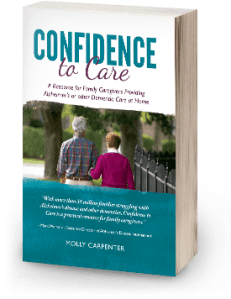
Confidence to Care: A Resource for Family Caregivers Providing Alzheimer’s Disease or Other Dementias Care at Home is your essential handbook to becoming more confident in your ability to understand, manage and even help alleviate dementia-related behavioral symptoms that your loved one may be prone to exhibit.

Why We Wrote the Book

We wrote this book to help you. This book combines personal stories with practical techniques drawn from decades of caregiving experience from family caregivers, professional CAREGivers℠ within the Home Instead Senior Care® network, and internationally recognized experts.

All profits from this book will be donated to the Home Instead Senior Care Foundation and designated for dementia-related organizations and causes.

What You’ll Learn from This Book

This book focuses on both memory and behavior symptoms that family caregivers often need help with, including their senior loved one’s resistance to common personal care activities. Each of these chapters offer plenty of care approaches and prevention tips, and begin with a relevant and moving real-life family caregiver story. The chapter topics include:

  • Aggression and Anger
  • Agitation and Anxiety
  • Bedtime Struggles and Sleep Problems
  • Confusion and Memory Loss
  • Delusions
  • False Accusations and Paranoia
  • Hiding/Misplacing Things/Rummaging
  • Hostility
  • Judgment (problems with decision-making and problem-solving)
  • Medication Mismanagement
  • Mood Changes
  • Repetition
  • Sexually Inappropriate Behavior
  • Social Withdrawal
  • Wandering

Get 3 Free Chapters now Or, Get the Entire Book for Free!

To request a free copy of the book, go to our Contact Us page, enter your information and, in the Comments section, provide your address and note that you’d like the Confidence to Care book. We’ll ship it to you for free!

alz_appAlzheimer’s and Other Dementias Daily Advice App

Families can use this free smartphone app to search behaviors and help find solutions when they have to react quickly to a situation. It’s designed to help families manage issues as they arise, whether at their Minneapolis home or in public. Issues such as: “How do I deal with a mother who is always accusing me of stealing from her?” That’s a common question asked by many sons and daughters caring for a parent with Alzheimer’s disease or other dementias. The accusation scenario could just as easily be replaced with: who won’t eat her food, who refuses to shower, who hides her underwear in my purse, who curses at me, who urinates in the bedroom floor vent, or who doesn’t recognize me. While the situation at hand may differ from day to day and from person to person, the core question remains: How do I deal?

alzheimers mn app preview

An App Designed to Help You Deal

We created the Alzheimer’s and Other Dementias Daily Companion App as a pocket guide to help get you through all the dementia care situations you likely never dreamed you’d have to face. You can download this free app now so when you have a question about the best way to handle a home care situation, you’ll have quick, helpful tips from experts and other caregivers instantly at your fingertips.

App Overview & Features

The Alzheimer’s and Other Dementias Daily Companion is an iOS mobile app available in the app store for download at no cost. It offers immediate advice with close to 500 searchable tips and practical solutions to help deal with behaviors and situations related to Alzheimer’s and other dementias.

Features include:

  • 25 topic categories containing close to 500 searchable pieces of advice from experts and other caregivers regarding:
    • Behaviors and situations
    • Emotional support
    • Helpful resources
  • “Ask a Question” submission form if you can’t find the answer you’re looking for
  • 24-hour caregiving assistance available via a toll-free phone number or email submission
  • Functionality to share advice from your own experience for the benefit of other caregivers
  • A built-in rating system for users to provide feedback on each tip so caregivers benefit from others’ insight and evaluation of the advice
  • Access to free Alzheimer’s and other dementias caregiver resources and training materials
  • Ability to access all of the solutions and tips without Internet connectivity

Confidence to Care At Home Kit

alzheimers_kitConfidence to Care also highlights the importance of caring for yourself while caring for others. This at home kit contains, an at-a-glance collection of information, tips and resources to help handle difficult situations, avoid household accidents, encourage engagement and prevent caregiver stress, that is designed for any member of the household to reference, anytime they need it.

Download the Complete Guide

“According to experts, Alzheimer’s either is or may someday be a reality for about one-third of the families in our community,” said Stuck. “We want to replace their fears with a sense of confidence that they are equipped to handle any situation.”

Care for the Caregiver to Prevent Distress

cargiver - overwhelmedThe responsibilities and challenges of caring for a loved one in their Minnesota home can place significant stress on the family caregiver. In fact, this stress can build up to actually cause caregiver distress—a situation where the caregiver may become more susceptible to other health risks such as such as ulcers and weight loss/gain or even more chronic conditions such as diabetes, heart disease. home care mn As we noted in our June blog, there are many risk factors including being a woman and caring for senior with Alzheimer’s Disease. To prevent caregiver distress take the Family Caregiver Distress Assessment, adapted for Home Instead Senior Care Minneapolis to learn how to deal with the stress of caregiving and balance the varied emotions that so many family caregivers struggle to understand. The reason this “self reflection” method is so important is that repressing emotions takes a terrible toll on family caregivers.
Research conducted by the Home Instead Senior Care® network reveals that caregivers who hide their emotions are 2.3 times more likely than other caregivers to have experienced depression since becoming a caregiver. Why is it so common for caregivers to hide their emotions (and don’t say it’s a Minnesota Norwegian thing)? As we noted in last month’s seniorcareminneapolis.net blog post, some don’t recognize that they are a caregiver. Others have difficulty processing their emotions and many don’t have an outlet for expressing or sharing their emotions. “It’s difficult to admit feeling angry or frustrated when it comes to caring for your parents,” said Dr. Amy D’Aprix, a caregiving expert. “The uninformed often give disapproving stares if you’re a family caregiver and say you’re feeling frustrated…It’s great to free up caregivers to express their emotions as just that – their true feelings about what they’re going through on their caregiving journey.”

Hear more from Dr. D’Aprix in this video.

Dr. D’Aprix recommends the following process to help caregivers come to grips with the rigors of caregiving.

  1. Acknowledge feelings. It’s OK to feel conflicting emotions as a family caregiver. Perhaps 30% of your emotions are anger-related and 20% are guilt but 50% is love. Try to hang onto that 50% of your heart that knows you’re doing the right thing.
  2. Manage the situation. Oftentimes there’s no other way around it: Caregivers need help. If you can’t find support with family, go to trusted friends, faith community or consider speaking to a home care provider.
  3. Release the feelings in a safe way. Journaling is one effective way that family caregivers can get their feelings out. Talking to other caregivers at a support group or talking to a therapist might also help.
  4. Find solutions. Relaxation is one option. “Make a list of things you enjoy doing to reduce stress,” Dr. D’Aprix advises. Reading, watching a favorite television show, attending a faith service, exercising, visiting a museum, meeting friends and listening to music are all activities that many caregivers enjoy…”

Once you re-discover activities you enjoy, Just 15-20 minutes here and there each day when you can focus on yourself will make a world of difference in managing your caregiver stress.  According to a new Home Instead Senior Care survey, 55% of family caregivers that employed professional caregiving services appeared to have above average or significant levels of stress as they came on board.

home_care_mnThese tips are recommended while taking care of an aging loved one:

  • Work out: Exercise and enjoy something you like to do (walking, dancing, biking, running, swimming, etc.) for a minimum of 20 minutes at least three times per week. Consider learning a stress-management exercise such as yoga or tai-chi, which teach inner balance and relaxation Minneapolis was recently named one of the top healthiest states because of the vast opportunity for exercise.
  • Keep your medical appointments: Make sure you get your annual check-up. Being a caregiver provides many excuses for skipping your necessary check-ups, but don’t do it. A healthy you is worth more to your aging loved one than a sick, weak you.
  • Meditate: Sit still and breathe deeply with your mind as “quiet” as possible whenever things feel like they are moving too quickly or you are feeling overwhelmed by your responsibilities as a caregiver. Many times you will feel like you don’t even have a minute to yourself, but it’s important to walk away and to take that minute.
  • Take a break: Consider respite which is full time-short term care that others can provide (family, friends, volunteers or professional caregivers) while you get a break. Take single days or even a week’s vacation. And when you’re away, stay away. Talk about different things, read that book you haven’t been able to get to, take naps, whatever relaxes you and makes you happy.
  • Indulge: Treat yourself to a foot massage, manicure, nice dinner out or a concert to take yourself away from the situation and to reward yourself for the wonderful care you are providing to your senior relative. You shouldn’t feel guilty about wanting to feel good.

And, laugh! Mary Maxwell has some advice for a senior whose daughter is not making the above mentioned life choices.

Everyone needs some pampering occasionally, for both physical and mental health. If you’re caring for a senior in their home, don’t feel guilty if you treat yourself once in a while…you deserve it and you need it.

Processing the Mixed Emotions of Caregiving

homecaremnCaring for a senior loved one in Minneapolis can come with a contradiction of emotions. For example, research conducted by Home Instead Senior Care® Minneapolis points out that nearly three-fourths (74%) of family caregivers who hide their feelings are overwhelmed, but that same percent of people caring for their Mom or Dad also feel loved. In addition, 64% feel anxious while these same caregivers feel satisfied. A key finding of the research: hiding one’s feelings increases the risk for caregiver distress. As we noted in last month’s blog post, caregiver distress is a situation where the stress of caring for a senior in their home makes one more susceptible to health risks such as high blood pressure, diabetes and  stroke. Watch the video below to learn what Home Instead Minneapolis is doing to uncover this issue and provide home care assistance.

emotions_caregivingHome Instead Senior Care® Minneapolis’ Family Caregiver Stress Relief program is designed to assist caregivers in better identifying their potential for distress in an effort to help avoid its adverse impact. Resources featured here can help family caregivers learn how to deal with the stress of caregiving and balance the varied emotions that so many family caregivers struggle to understand. One U.S. study of 38 years of research revealed that surveyed caregivers had a 23% higher level of stress hormones and a 15% lower level of antibody responses than did non-caregivers. That’s why it is important for a person to first recognize that they’re a caregiver by taking our quiz.

Next, one should take an honest look at their emotions.  Caregiving expert Dr. Amy D’Aprix says caregivers should try to avoid classifying emotions as good and bad. “Just recognizing it’s normal to feel many emotions when you’re a family caregiver helps take the power away from the emotion.” She offers that other major life events also bring conflicting feelings. Who wasn’t scared to walk down the aisle and what Mom didn’t grab a tissue when they proudly dropped their child off at the University of Minnesota? Two attributes set caregiving apart: the intensity of caregiving situations and the lack of planning that generally precipitates the need for care. Dr. D’Aprix offers these tips to help caregivers overcome the anxiety of the unexpected need for caregiving.

  1. Look at your situational concern. What can you control? If your Dad is diabetic, you can control the food you serve. What you cannot control is what he eats. Other common worries such as passing away before your senior loved one are things you can’t control, so try not to worry.
  2. Have an outlet. Find someone you can talk to without judgement. This could be a friend, support group or home care provider. Caregivers who repress their feelings are most likely to feel frustration over increasing demands on their time (56%), experiencing the physical demands of caregiving (41%) and lacking control over their emotions (34%).
  3. Recognize your limitations. Be realistic about what you can do. While you might be the perfect person to make a meal for a senior, you probably shouldn’t be providing medical care services. Set priorities and get help from a home health care provider when needed.


home care mn If you’re showing signs of caregiver distress, consider talking with a healthcare professional that can help you to evaluate your situation. Remember, it is not selfish to focus on your own needs and desires when you are a family caregiver. In fact, it is important that you take initiative with your own physical and emotional care so that you can best assist the person you are caring. Approximately 74% of caregivers who hide their feelings report fatigue, 53% report difficulty sleeping, 37% report depression, and 30% experience weight gain or loss. Take the Family Caregiver Distress Assessment, adapted for the Home Instead Senior Care network  to learn how to deal with the stress of caregiving and balance the varied emotions that so many family caregivers struggle to understand.

Enter to Win our Contest!

alzheimers care mn

Contest

In conjunction with the Caring for a Person with Memory Loss conference and our support of organizations that provide education and assistance to those dealing with Alzheimer’s Disease, we’re offering a chance to win a $100 gift card to Parasole Restaurants PLUS a $100 donation to the Alzheimer’s Association in your name.

Enter by June 28!

UofMHome Instead Senior Care of Minneapolis is committed to making coping with Alzheimer’s and dementia-related issues, such as memory loss as easy as possible. That is why we were a proud sponsor of the Caring for a Person with Memory Loss Conference in Minneapolis, MN held on Saturday, June 1st. According to Joseph Gaugler, Ph.D., coordinator of the conference, “The Caring for a Person with Memory Loss conference is designed to share tools, skills, resources, information, and wisdom with families and care professionals about the most effective ways to care for persons with memory concerns. With more than 5 million people in the U.S. with Alzheimer’s disease or a related dementia and 15.4 million people provided care for these individuals, the need to share relevant, effective care approaches and ideas to improve the quality of life of persons with memory loss is more critical than ever. To this end, our June 1st, 2013 Caring for a Person with Memory Loss conference will touch on several key topics including different types of dementia, family dynamics, art therapy, and abuse issue in person with memory loss. As this conference is a community education event and free for families, the kindness of sponsors such as Home Instead Senior Care of Minneapolis is critical to help us provide speaker honoraria, offer copies of presentation materials to attendees, provide refreshments to attendees, and live stream and record the conference for future viewing by attendees and others.”

The conference was a huge success! Thank you to Joseph Gaugler and others for providing this valuable education and awareness to people caring for those with Alzheimer’s and dementia.

Conference Committee

Joseph E. Gaugler, PhD, is an Associate Professor and McKnight Presidential Fellow in the School of Nursing and Center on Aging at the University of Minnesota. His research focuses on Alzheimer’s disease, family caregiving, and clinical interventions for these individuals.

Mark Reese, MA, LPC, LAMFT, is a study counselor at the University of Minnesota. His work focuses on enhancing clinical services for families caring for relatives with memory loss.

University of Minnesota Caregiver Registry

As Dr. Gaugler’s research program continues to grow, he would like to ask you to take a few minutes and consider being a part of the University of Minnesota Caregiver Registry. Becoming part of the registry does not enroll you in any study, but it provides Dr. Gaugler with permission to contact you in the future about any upcoming opportunities to participate in his research as well other basic information. Filling out the University of Minnesota Caregiver Registry form should not take more than 5 minutes. If you have already done this for us and nothing has changed since you filled it out, there is no need to fill out another form. However, if something has changed since you last filled out a Registry form, please feel free to fill out a new form:

If you are a family member or friend who knows someone with memory loss or is helping them, please fill out the University of Minnesota Caregiver Registry-Family form here:
https://umsurvey.umn.edu/index.php?sid=97146&lang=um

If you are a professional who cares for persons with memory loss or their families, please fill out the University of Minnesota Caregiver Registry-Professional form here:
https://umsurvey.umn.edu/index.php?sid=36229&lang=um

Caring for a Person with Memory Loss (CPWML) Annual Conference was Streamed

The CPWML conference recording will be made available on the virtual library site at: http://tinyurl.com/CPWMLresources after the conference. This live stream will be interactive, meaning you can participate in Q & A with presentation speakers.

Caring for a Person with Memory Loss Conference Virtual Library

If you would like to revisit the information presented in this or past Caring for a Person with Memory Loss conferences, please visit our virtual conference library at http://tinyurl.com/CPWMLresources. There you will find Power Point slides and handouts of each presentation, information on how to access recorded presentations, speaker contact information and other resources from past conferences. We have held Caring for a Person with Memory Loss conferences since Spring 2008, and there is a lot of great, free information in the virtual library for you, your family members, or clients!

Related articles