
 Caring for a senior loved one in Minneapolis can come with a contradiction of emotions. For example, research conducted by Home Instead Senior Care® Minneapolis points out that nearly three-fourths (74%) of family caregivers who hide their feelings are overwhelmed, but that same percent of people caring for their Mom or Dad also feel loved. In addition, 64% feel anxious while these same caregivers feel satisfied. A key finding of the research: hiding one’s feelings increases the risk for caregiver distress. As we noted in last month’s blog post, caregiver distress is a situation where the stress of caring for a senior in their home makes one more susceptible to health risks such as high blood pressure, diabetes and stroke. Watch the video below to learn what Home Instead Minneapolis is doing to uncover this issue and provide home care assistance.
 Home Instead Senior Care® Minneapolis’ Family Caregiver Stress Relief program is designed to assist caregivers in better identifying their potential for distress in an effort to help avoid its adverse impact. Resources featured here can help family caregivers learn how to deal with the stress of caregiving and balance the varied emotions that so many family caregivers struggle to understand. One U.S. study of 38 years of research revealed that surveyed caregivers had a 23% higher level of stress hormones and a 15% lower level of antibody responses than did non-caregivers. That’s why it is important for a person to first recognize that they’re a caregiver by taking our quiz.
Next, one should take an honest look at their emotions. Caregiving expert Dr. Amy D’Aprix says caregivers should try to avoid classifying emotions as good and bad. “Just recognizing it’s normal to feel many emotions when you’re a family caregiver helps take the power away from the emotion.” She offers that other major life events also bring conflicting feelings. Who wasn’t scared to walk down the aisle and what Mom didn’t grab a tissue when they proudly dropped their child off at the University of Minnesota? Two attributes set caregiving apart: the intensity of caregiving situations and the lack of planning that generally precipitates the need for care. Dr. D’Aprix offers these tips to help caregivers overcome the anxiety of the unexpected need for caregiving.
- Look at your situational concern. What can you control? If your Dad is diabetic, you can control the food you serve. What you cannot control is what he eats. Other common worries such as passing away before your senior loved one are things you can’t control, so try not to worry.
- Have an outlet. Find someone you can talk to without judgement. This could be a friend, support group or home care provider. Caregivers who repress their feelings are most likely to feel frustration over increasing demands on their time (56%), experiencing the physical demands of caregiving (41%) and lacking control over their emotions (34%).
- Recognize your limitations. Be realistic about what you can do. While you might be the perfect person to make a meal for a senior, you probably shouldn’t be providing medical care services. Set priorities and get help from a home health care provider when needed.
 If you’re showing signs of caregiver distress, consider talking with a healthcare professional that can help you to evaluate your situation. Remember, it is not selfish to focus on your own needs and desires when you are a family caregiver. In fact, it is important that you take initiative with your own physical and emotional care so that you can best assist the person you are caring. Approximately 74% of caregivers who hide their feelings report fatigue, 53% report difficulty sleeping, 37% report depression, and 30% experience weight gain or loss. Take the Family Caregiver Distress Assessment, adapted for the Home Instead Senior Care network to learn how to deal with the stress of caregiving and balance the varied emotions that so many family caregivers struggle to understand.
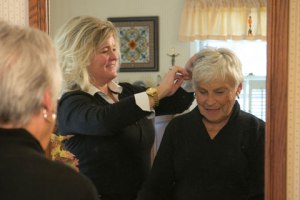 Nearly one-third of adults living in Minneapolis, MN are family caregivers to seniors and could be at risk for diabetes, depression, heart disease and various other conditions. This is a result of caregiver distress which is a potentially dangerous condition brought on by the pressures of caring for a senior loved one in their home. Studies indicate that caregiving is a leading stressor for families. In fact, one U.S. study revealed that more than half (52.8%) of those caring for individuals with diseases including cancer or Alzheimer’s had signs of depression.



 Heading home to Minneapolis to visit a senior for the holidays? Often times, it isn’t until we see for ourselves how Mom or Dad is living that we get involved in their care at home and begin to

 Plan ahead
 Relive memorable moments
 Learn more from our friends at Home Instead, Omaha!
 2. Share pictures and reminisce, without expectation.
 6. Be prepared to end the session at a natural stopping place.
 The faces of both the seniors and the volunteers lit up as gifts were distributed to seniors in nursing homes, low income senior housing, adult day centers and personally nominated individuals. Just a few of the senior residences include the Ebenezer Tower, Friendship Center and Augustana.
 This huge success would not have been possible without our partners which include Byerly’s & Lund’s Pharmacy locations, Starbucks, The Brost Clinic, Health Partners, Minneapolis Women’s Club, Upsher-Smith, Park Nicollet Orthopedic Clinic, Allina Health Clinic Medical Arts, Oakwood Elementary, MN School of Business and Herzig University.
 In addition to holiday-related sadness, seniors can experience seasonal moodiness due to less exposure to sunlight. Called “seasonal affective disorder” or “SAD”, this type of depression affects many elderly people in the fall and winter months, especially in Minnesota. Keep in mind that anything more than a mild case of the blues is a reason to get a physician’s evaluation. There may be supplements or medications that can help.

 Home Care MN and Senior Care Information in Minneapolis