Caring for a Loved One with Cancer or Arthritis

caring_cancerThe stress of caring for a seriously or chronically ill senior can take its toll on a spouse. A study from the University of Michigan Comprehensive Cancer Center found little difference in quality of life between patients and spouses, but found significant differences based on the phase of their illness, specifically whether the patient was newly diagnosed, facing a recurrence or living with advanced disease. Couples coping with advanced disease had significantly poorer overall quality of life. Spouses reported lower confidence than patients in their ability to manage the illness, and more uncertainty about the illness; patients also reported more social support than did spouses. Exhausted. Anxious. Overwhelmed. If you are the caregiver of a loved one in MN with cancer or arthritis, it is likely that you relate to all of these emotions. Transportation to and from appointments around Minneapolis, frequent hospital stays, and the sheer scope and duration of the illness are challenges many caregivers of these patients face. What is a caregiver to do when they have little time to care for oneself? One solution is to get respite help. Home Instead Senior Care of Minneapolis CAREGivers are trained to provide specialized care for seniors with serious health issues such as Arthritis and Cancer and, based on our home care experience, offer the following tips and advice to family and professional caregivers.

4 Self-Care Tips for Caregivers of Cancer Patients

1. Invite others in.
As the primary caregiver, no one knows your loved one’s situation as intimately as you do. You may find it hard to break away or trust others to take your place, even in the simplest of tasks, but this is exactly why you should. Inviting a friend or family member to pitch in can be a breath of fresh air for all involved, and it gives you a much-needed break.

2. Delegate transportation.
Between treatments, doctor visits and follow-ups, a cancer patient’s calendar can be grueling to maintain alongside your other day-to-day responsibilities. Delegating your loved one’s transportation to and from appointments to a trusted third party may bring some relief to your strained schedule. If family and friends are not available, contact us to inquire about transportation services as a convenient alternative. We’ll even stay with the senior during the appointment and participate in the doctor’s consultation to take notes for you.

3. Take a coffee break.
Or, take a walk, do some yoga, or just do a little bit of nothing at all. No matter how busy and stress-filled the days get, taking quiet moments for yourself is essential to your wellbeing. As a caregiver, what is essential to your wellbeing is essential to your loved one’s wellbeing. Be intentional about carving out a few minutes several times a day to do something that refreshes you, however simple that something might be.

4. Remember.
The work you are doing is hard work, but it is also good work. Yes, caring for a cancer patient can be physically, mentally and emotionally draining, but your efforts are vitally important. You are making a real, tangible difference in the life of someone you love. Don’t give up, but do take care of yourself.

caring arthritisMore Than Joint Pain: Understanding Seniors and Arthritis

4 suggestions to help support a senior as they deal with the stress of living with arthritis pain:

1. Do your homework.
Did you know osteoarthritis pain usually worsens at the end of the day? Or that arthritis causes more activity limitation in its patients than cancer, heart disease or diabetes? Understanding basic facts about arthritis, as well as the individual symptoms and needs of a senior, is key to understanding the challenges of those who suffer from this disease. Taking a moment to read about types and symptoms of arthritis, maintaining an open dialogue with other members of your senior’s care team, and asking the senior questions about his or her arthritis pain will help you in your efforts to provide excellent care.

2. Put yourself in their shoes.
If you suffered from chronic arthritis-related pain, how would that affect your ability to go about a normal day? What struggles would you encounter in daily chores such as cooking meals, running errands or maintaining your home? Imagining your own life with arthritis can help you understand how everyday tasks can become painful challenges. As your senior discovers his or her problem areas, consider ways you can help provide solutions. Perhaps a home helper is in order or other non-medical services such as assistance with transportation, personal care, meal preparation or medication management.

3. Recommend appropriate, accessible fitness programs.
Regular exercise including stretching, aerobics and strength training can help reduce fatigue and improve strength and flexibility, according to the Arthritis Foundation. Exercising through chronic pain, however, can be intimidating for many senior arthritis sufferers. Encourage physical activity by helping the senior investigate programs at local fitness or community centers where he or she can exercise in a group setting with other seniors. Or, consider directing seniors and their family members to a resource like Get Mom Moving, an online program designed to keep seniors active in ways they enjoy most.

In this video, Dr. Eric Otterberg discusses tips for preventing and living with arthritis. Brought to you by Home Instead Senior Care and the Arthritis Foundation.

4. Be an encourager!
Make sure your senior patients know they are not alone. When you run across a program or piece of information they may find helpful, give them a call or drop it in the mail to them. When you see them, ask direct but gentle questions about their arthritis pain and how it affects their day-to-day activities. Simple gestures like these may not seem significant, but they communicate that the daily challenges facing your senior patient have not gone overlooked. Above all, encourage them to keep going, even in the toughest times.

This arthritis sufferer says it best: “Living with this disease is really hard. There have been days I’ve wanted to give up – just become part of my couch – but I don’t. I fight through the pain, pinching and discomfort every day. If I give up, the arthritis wins; and who wants to lose to arthritis?”
Senior-Friendly Home Adaptations

by John Stuck
adaptive_remodeling_mnIf after reading our blog post, 5 Housing Options for Seniors: the Advantages and Disadvantages, you’re considering the Aging in Place or Living With Family options, you may need to make some home adaptions to keep your senior loved one safe in their (or your) Minnesota home. As we mentioned, home modifications can be expensive but armed with expert advice, a solid plan and a clear vision that both you and the senior share, the experience can be positive. Most importantly, you will be rewarded with a sense of safety and security.

Research conducted by Home Instead, Inc.  provides a compelling look at senior home safety. The survey of ER doctors, seniors and adult children reveals that home isn’t always the safe haven that seniors and their loved ones dream about.  100% of ER doctors in the U.S. and Canada say it’s very important for adult children to perform a safety check of their aging parents’ homes once every year. But in the last year, only 44% (41% in Canada) have done this. Watch the Aging in Place video shown on our Housing Options blog post for some special considerations. To help families reduce the risk of injury in a senior’s home, we’re offering a free home safety checklist, an online safety assessment and recommendations for inexpensive modifications that could ensure the safety of older loved ones as part of the organization’s Making Home Safer for SeniorsSM program. To request a free home safety checklist and other materials, please call us at 763-544-5988 or fill out our contact form.

To gather this important information, we worked with specialists such as Dan Bawden, a remodeling contractor and the founder of the Certified Aging in Place Specialists (CAPS) program for the National Association of Home Builders. He offers some concerns for bringing your senior loved one into your home, along with affordable and easy fixes. (Prices are “typical” but may vary somewhat by geographical area.) Click here to download this information, print and share with a senior.

Comfort and Safety: Senior-Friendly Homes
Security Osteoporosis changes the height of some seniors, making it difficult for them to look through a door’s peephole. The Fix Add an additional, lower peephole to your front door at a cost of about $40.
Glare Glare from windows in a living or family room also can be a problem for seniors, whose eyes are more sensitive. The Fix Mini, micro or Venetian blinds can be purchased for as low as $35 to $50 and installed for about $35.
Inadequate Storage Wonder what to do with all of your elderly loved one’s possessions when they move in with you? The Fix Turn your attic into a storeroom for your senior’s possessions by installing 3/4 inch plywood sheets to your attic floor beams. Use screws, not nails, so they can be removed to get to wiring and plumbing in the future. Cost for a 150 square foot storage platform: $900.
Falls Seniors may be vulnerable to falls, particularly on or near stairs. The Fix Remove area rugs on and near the top and bottom of stairs. Make sure railings are on both sides of the stairs. Cost to add railings on one side: between $200 and $300.
Lighting Macular Degeneration and other eye issues can make older adults susceptible to vision problems. The Fix Recessed lighting — four lights placed about four feet from the corners of the ceiling — provides excellent bedroom light for older adults. Cost installed: about $150 per light fixture or $600 for a bedroom. Remodeling using contrasting colors (e.g. on stairs) can help with depth perception.
Tripping Changes in floor height between a hallway and bedroom door entry can be a tripping hazard. The Fix A wood transition strip can be installed to even out the difference. Cost? About $100.
Burns Older adults with mobility issues can be vulnerable to cooking accidents. The Fix Ovens on the market now open from the side, making it easier for someone in a wheelchair or with a walker. Cost: between $800 and $1,000.
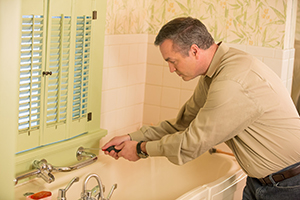
Scalding Hot water from older faucets and valves in the shower and tub could scald a senior with neuropathy. Too cold and it can startle a senior, leading to a fall or other injury. The Fix A device in newer faucets controls the temperature and equalizes pressure when someone is showering and another family member flushes the toilet. Cost to replace older faucets and valves: about $500. Add another $500 if tile work and repairs are needed.
Slick Surfaces Bathrooms are the most dangerous rooms in the house because of slick surfaces that can contribute to falls. The Fix Install grab bars. Very attractive decorative grab bars are available at home improvement stores for about $50-$75 each. Cost to install, including the bar, about $200.
Arthritis Older adults with arthritis often cannot open round door knobs. The Fix Put lever handles on interior doors and in and out of the house. If you don’t want to replace the entire door knob, lever door knob adapters cost around $20 and can be purchased at online specialty equipment companies.
Entry Hazards Seniors coming to the front door with groceries or other packages may be at risk of dropping their merchandise or, even worse, falling. The Fix Family members or a contractor can construct a shelf on the outside of the house on which to set keys and packages. Shelves and brackets can be purchased at home improvement stores. Cost for materials and installation, $75.
Kitchen Faucet Navigating a kitchen faucet and separate spray hose can be difficult for some seniors. The Fix Kitchen faucets may be replaced with an all-in-one faucet and spray hose for easier use. A soap dispenser can then be placed in the hole that once held the spray hose. Cost for the improvement, about $350.
Kitchen Tasks Kneading bread and other kitchen tasks that might require sitting are more difficult for seniors in wheelchairs. The Fix A rolling island can be safer and more convenient. Cost: about $500.
Carpets Thick family room carpet can be a safety hazard for some seniors. The Fix A low-pile commercial grade carpet is cheaper than conventional carpet, is easier to keep clean and safer for walkers and wheelchairs. Cost: about $20 per square yard; half the cost of regular carpet and pad.
Doors Hinged closet doors may be more difficult for seniors to navigate around and take up more space. The Fix Replace hinged closet doors with bi-fold doors that fold back onto the wall for full access, and add a light to the closet; for an estimated cost of $500.
911 Emergency Could your senior loved one get help fast in an emergency if he or she were home alone? The Fix A telephone is available that prompts the numbers plaque on your house to flash when a caller dials 911 so the ambulance can more easily locate the house. Cost: about $450.

5 Fixes Under $500

In addition, Bawden offers the following safety suggestions for budget-conscious families.

  1. Replace wall-mount shower heads with handheld shower heads on a hose.
    Handheld shower heads are both convenient and safe because a senior can use the device as a fixed shower head – adjustable to the proper height – or convert it to a handheld one.
    Cost: generally less than $100. With a plumber’s help, could be up to $175 to $200.
  2. Install grab bars on the wall near the shower or tub.
    Seniors who become unsteady on their feet or start to have balance problems could be tempted to grab on to a towel bar or shower curtain and put themselves at risk of falls. Head to a big box store or super center.
    Cost: typically $30 to $60 for a good quality bar. With a pro’s help, an estimated $175 to $200 per bar for parts and labor.
  3. Convert to lever handle faucets.
    Water flow and temperature could be easier for arthritic fingers to control with a lever faucet, rather than one that twists on and off.
    Cost: usually between $170 and $250. Add about $150 to $200 for a plumber to install.
  4. Add lighting to closets and pantries.
    Dark closets could not only be safety hazards, they could make dressing more difficult for seniors.
    Cost: With attic access, a qualified electrician could install a light for around $250. Cost to add a battery-operated light: typically less than $25.
  5. Add swing clear hinges.
    Narrow doorways could be difficult for walkers and wheelchairs to navigate. Replacing standard hinges with “swing clear hinges” allows the door to swing completely clear of the door opening. This can add an extra 1.5 to 2” of clearance without widening the doorway.
    Cost of a handyman or trim carpenter: about $150. A pair of these hinges generally costs between $20 and $30.

Note: Estimates shown are U.S. only. Costs may differ in Canada. Contact a local Home Instead Senior Care franchise office in Canada for more information.

Many issues could impact an older adult’s ability to remain at home, including the effects of aging on the senses. Don’t shy away from talking with an aging parent about sensitive issues such as home safety.

A little extra help at home could be just what an older adult needs to stay safe. In fact, doctors estimate that 61% of seniors in the U.S. (66% in Canada) who come to the emergency room could benefit from more help at home.

Mary Tells Daughter Whose Widowed Mother is Dating to “Cool it” – Laughing With Mary

Mary Maxwell offers her humorous yet insightful advice to a view who asks: A few months after celebrating his 50th wedding anniversary my father passed away. Now three years later my mother is spending a lot of time with a gentleman from church and they are going to a weekend trip together.

Mary also advises her husband what will happen if he dates a “certain someone” should she pass away.

5 Housing Options for Seniors: The Advantages and Disadvantages

by John Stuck
When adult children are choosing housing options in Minnesota for their aging parents, there are 5 choices to consider, aging in place, living with family, assisted living, and skilled nursing homes. Each of these options has its advantages and disadvantages that need to be discussed and seriously considered before making any final decisions. Home care can supplement family and senior facility care to ensure that your loved one’s personal and nursing care needs are being met. This 5-part video series provides a glimpse into what each option would be like & will help guide you in making a senior housing option.

Aging in Place

This means seniors are able to remain in their own home safely and securely. This is a good option to consider if your parent is mostly functional in all areas of their life. When considering this option, it’s important you consult an Aging in Place Specialist to assist you in making any modifications to your parent’s home.

The advantages of this option are that it allows the senior to remain safely and securely in their own residence while keeping their independence. This maintains a familiar environment for your parents and fosters socialization with family, friends, and the community.

The disadvantages are the possible expensive financial investment and time needed to provide safe home modifications, and parents may be reluctant to make these changes to their own home. The average annual cost of this option varies depending on the modifications and home care services your parent may need.

Living with Family

This option can be a labor of love and very rewarding for the family members, but there are many things to consider with this option.

The advantages of this option are its low cost of care, intergenerational bonding, and keeping your loved one close to you in your Minneapolis home.

The disadvantages are the stress that becoming a primary care giver can place on that person, the wear and tear on your home, and caregiver burnout from caring for your parent, your own family and your job. Read more about Caregiver Distress. The average annual cost of this option is approximately $5,000 that covers out of pocket expenses such as transportation, food, extra utilities, etc. Read “Your Place or Mine?” to get helpful advice on making this decision.

Independent Living Communities

These are designed for seniors who are able to live on their own, but would like the convenience and security of living in a retirement community of their peers.

The advantages of this option are a smaller space to maintain, outside maintenance services, possible security of a gated community, enjoyment of being around peers, and it may offer activities, help and services that are needed as the senior grows older.

The disadvantages are the extra monthly fees to the residents, restrictions for grandchildren to visit, possible transportation options may be limited, and proximity to family. The average cost is approximately $3000/month.

Assisted Living Services

This includes 24 hour oversight, food, shelter, and a range of services for the senior. This is a good option when your parent requires more support from professional caregivers and needs help with basic living needs.

The advantages of this option are there are that many are available, on-site medical and pharmaceutical assistance, accommodations for the seniors’ changing physical needs, driving and housekeeping services, social activities, and exercise facilities.

The disadvantages are the financial burden of the monthly expenses, depression of the senior for the loss of independence, limitations of possessions that may be brought to the facility, and less socialization with friends and family members.

Skilled Nursing Home

This includes 24 hour care with registered nurses and medical professionals who are able to care for your loved one. This is an option if your parent is no longer able to care for themselves, and is in need of specialized medical care for physical, mental, or emotional conditions.

The advantage of this option is the skilled medical care that your parent will receive, 24 hour assistance with daily living needs, exercise facilities, and physical therapy. There is often a hospital or medical facility close by the home. Often times, there are separate living areas for seniors with Alzheimer’s Disease which can accommodate for the special care needs and advanced security precautions to ensure your loved one is safe.

The disadvantages are the financial expenses, the time it takes to choose which facility that would be best for your parent, availability of the facility, and the proximity for family members to visit. The average annual cost is approximately $77,000.

These 5 options need to be considered seriously and carefully by the senior and family members to make the best, most informed decision for your aging parent for the years to come.

Your Place or Mine?

by John Stuck
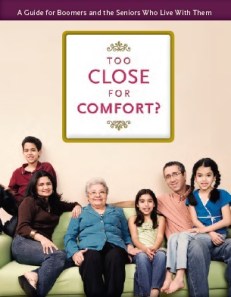
When you begin to notice that your senior loved one is having difficulty maintaining independence in their Minneapolis home, families most often have some decisions to make. Could independence be maintained by hiring home care? Is Mom and/or Dad a candidate for a independent senior apartment? Maybe moving them to a Minnesota assisted living facility is the best option? More adult children are choosing to move their senior loved one into their home. That is why Home Instead Senior Care Minneapolis created the Too Close for Comfort Campaign. Download this guide for boomers and the seniors who live with them.
too_close_for_comfort_booklet

The reasons different generations decide to live together are as varied as the families themselves, but three factors often come into play:

  • Shared Caregiving: Families are coming together to share caregiving duties — either an elderly loved one needs care or an older adult is providing care to his or her grandchildren.
  • Finances: The economy is affecting everyone, especially Minneapolis seniors living on fixed incomes. Moving in with family can sometimes save money on food, utilities, and other essentials.
  • Physical or Emotional Support: Seniors may feel the need for the physical or emotional support of extended family after losing a spouse, dealing with health issues, or having problems maintaining their property.

See how one family found the decision very easy to make and how they’re making cohabitation work for their entire family.

If you’re already living the intergenerational life, perhaps your family has encountered a few challenges. Regardless of the situation, you or your senior loved ones probably have many questions, such as:

  • Is it best financially to maintain separate residences or to move in together?
  • Do you have the resources to take care of your elderly loved one in your home or should you hire home care? Read our latest blog post on the cost of home care and how to pay for it..
  • What role will adult siblings play?
  • If you’re a senior, will you lose your independence?
  • Should you move Mom or Dad to your home, or should you move into theirs?
  • Is the home safe for a senior and, if not, what changes need to be made?
  • How do you handle separate bank and savings accounts, and joint expenses?
  • Are there young children at home? If so, what do they think about it?

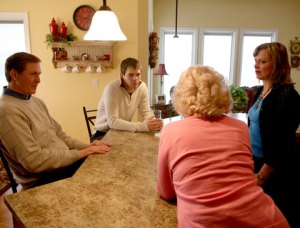
senior_family_meetingCommunication is the key to making your combined family work, says Matthew Kaplan Ph.D., Penn State Intergenerational Programs extension specialist. “Families must address the issues at hand — from multiple perspectives — when they arise…Ask yourself, ‘What can we do to come together and figure things out?'”
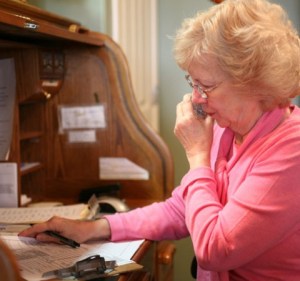
Independent research conducted by the Boomer Project on behalf of Home Instead Senior Care sheds new light on the growing population of family caregivers who are choosing to live with and provide home care for a parent.  One of the factors driving this trend is the need for emotional support. For details, view and print the Executive Summary of this research.

The Ups and Downs of Living Together

So what do multigenerational families say about the experience? Living together has its ups and downs.

Positive feelings of care and accomplishment can mix with stress. “Each family member has needs that should be taken into consideration. Individual needs, though, need to be viewed in the context of the health of the overall family unit. People need independence, but interdependence and family unity are important as well, particularly in today’s hectic and demanding world,” Kaplan says.

Support, Inside and Out

If families are living together and seniors need care, adult children will need support inside the home, whether the support comes from other family members or in the form of professional respite assistance.

“The best time to discuss this issue is when you’re willing to give up your house,” Kaplan notes. “That’s when it’s time to get your spouse and children behind the idea and communicate with adult siblings. Talk to your brothers and/or sisters and let them know you may need respite help.”

“When a decision to combine families is made, expectations must be set right away,” he said. “Family members must listen and become engaged in the conversation. The more the family buys in at the beginning, the more likely they will be to come up with great ideas.”

Setting aside time for your nuclear family is important too. “Consistent daily scheduling allows for formal and informal interaction,” Kaplan recommends. “If you do things right, the result is a strong, more unified family.”

Home Instead Senior Care worked with Matthew Kaplan Ph.D. to develop these tips for the multigenerational family.

  1. Take a family partnership perspective. Everyone needs to be informed and to give input into the arrangements.
  2. Set expectations right away. People understand it’s not just what they get out of it, but how they fit into the family.
  3. Ask for help. Engage your children in responsibilities around the home and make it clear to adult siblings that you expect them to be involved. If extended family members will not help with respite care, arrange for a professional caregiver service.
  4. Distinguish between private space and shared space. Shared space should be stocked with material inviting for all ages and items that could stimulate discussion, such as a child’s project or “brag book” of photos. Make clear rules regarding the private spaces set aside for each member of the household.
  5. Make family unity key. Routines, rituals and traditions help draw the family unit together. Plan a family movie or game night or take a walk together.
  6. Keep lines of communication open. Recognize the importance of “my time” and “our time.” Try to take everyone’s needs into account. Visit www.4070talk.com for more information about bridging the communication gap between seniors and their boomer children.
  7. Find threads of common interest and build on those to develop deeper relationships. Focus on activities that provide simple ways to generate a common bond, such as ethnic cooking, family history, health or wellness.

“The main challenge of a multigenerational family is navigating individual needs and family needs,” Kaplan noted. With open communication and a well thought-out plan, the process of moving and experience living together with a senior loved one can be beneficial and rewarding.

About Us

The Home Instead Senior Care® Minneapolis, MN office is part of a network of locally owned and operated franchises is one of the most trusted networks of home care worldwide. An innovator in eldercare since 1994, Home Instead Senior Care is dedicated exclusively to helping seniors stay in their homes as they age.

Home Care You Can Trust

Home Instead Senior Care of Minneapolis franchise owners, John & Kathy Stuck, their staff and CAREGiversSM all share a passion for improving the quality of life for seniors and families in their Minnesota communities. Whether you live in Minneapolis, Plymouth, Wayzata or Golden Valley, we offer a range of non-medical services that can be customized to your needs so you’ll get exactly the help for the senior in your live. Our CAREGivers are area residents who are kind, compassionate and truly enjoy working with seniors. They are professionals, extensively trained in elder care, and all are screened, insured and bonded.

Home Instead, Inc. demonstrates commitment to quality care through our proprietary PEAQ program – Pursuing Excellence by Advancing Quality. In fact, we commissioned J.D. Power and Associates to routinely survey CAREGivers and clients to ensure consistent delivery of high-quality service.

The Cost of Home Care and How to Pay for It

understanding-what-insurance-provides-480x450Think about how often we put off car repairs or calling a local Minneapolis plumber to fix a leaky sink for fear of how much it will cost. Or how often caregivers are reluctant to ask for help caring for dad, even though they know it would give them a much-needed rest. The same unknowns, especially around the cost of home care, often affect caregivers’ willingness to consider such services. In fact, a 2010 survey conducted by the Boomer Project on behalf of the Home Instead Senior Care® network found that 49% of family caregivers overestimate the cost of non-medical home care on average by almost $6.00 per hour. It’s also important to know the costs of having a loved one move in with you. We created the Too Close For Comfort?® calculator  to help with this decision. home_care_calculator

The national average hourly rate for homemaker/companions was $19 in 2009, according to the 2009 MetLife Market Survey of Nursing Home, Assisted Living, Adult Day Services, and Home Care Costs. Other resources list the hourly cost between $15 and $25, depending on where you live. We encourage you to explore and compare home care costs to other types of care using one of these resources:
U.S. Department of Health and Human Services’ National Clearinghouse for Long-Term Care Information
The Federal Long Term Care Insurance Program
2011 Genworth Financial Cost of Care Across America tool
2013 John Hancock Cost of Care Survey Results

As you can see, many of these resources are related to long term care studies and insurances. While more and more long-term care insurance companies are covering this option, home care, especially non-medical care, is still primarily paid for by the family or the seniors themselves. The Boomer Project’s research found that 52% of care recipients were paying for their own home care needs.

How that compares to the cost of home health, assisted living and other forms of care

According to John Hancock’s 2013 Cost of Care Survey, other senior care options are even more expensive that non-medical care:

  • The 2013 average cost of a private nursing home room ($258 a day/ $94,170 annually) has risen an average 3.6 percent per year
  • The 2013 average cost of a semi-private nursing home room ($227 a day/ $82,855 annually) has risen an average 3.6 percent per year
  • The 2013 average cost for a month in an assisted living facility ($3,427 a month/ $41,124 annually) has risen an average 2.0 percent per year
  • The 2013 average cost of adult day care ($71 a day/$18,460 annually) has risen an average of 1.6 percent per year
  • The 2013 average cost for a home health aide ($19 hourly/$29,640 annually) has risen an average 1.3 percent per year

Unlike for home care services, Medicare will pay for some of these types of services; however, as most caregivers know, the senior is still responsible for a heavy portion of these expenses. More importantly, these services, with the exception of home health aides, are full-time expenses that require a senior to move out of the comfortable surroundings of their own home.

Home care services, both home health and non-medical, are often only required for a few hours a week in order to make a significant impact on the seniors’ lives and allow them to continue to remain in their own Minnesota homes. In fact, a Home Instead Senior Care study indicates that 22 percent of the network’s clients employ caregiver services four hours or less per week and 20 percent of clients employ them between four and eight hours per week. That could represent a savings of thousands of dollars a month, when compared to nursing homes and assisted living facilities.

Finding out more information

Only you and your family can decide if non-medical home care is right for you and your senior loved one. To help you, we suggest exploring these additional resources:

Financing Options for Care Video

Get more information about our Home Instead Senior Care Minneapolis hours and rates

too_close_for_comfort_bookletSome families are choosing to live together with their senior loved one which can come with plenty of challenges, such as emotional stress, caregiving dilemmas, space and privacy issues and financial worries. But there are also rewards, including the closeness that can develop from having a loved one nearby. Whether you’ve already decided to merge households or if you’re just thinking about it, Home Instead Senior Care Minneapolis is here to help with the launch of our Too Close for Comfort?® public education campaign to guide families to the right choices for them.

Whether your senior loved one should live with you or stay in his or her own home is an emotionally charged decision. But it’s important to understand both the financial and emotional impact, as well as some of the options available to you.

Home Instead Senior Care and Adriane Berg, author of more than 13 books on personal finance and a founder of the National Academy of Elder Law Attorneys, have combined their experience to create the Too Close For Comfort?® calculator. home_care_calculatorThis tool uses 15 questions to walk you through basic budget items, major issues, and some often-overlooked matters that could affect your decision.



Before using this tool, it will be helpful to have the following documents in hand, for both yourself and your senior loved one: bank statements (for payroll deductions and other regular payments); mortgage or renter’s monthly statements; insurance premium policy statements; utility bills; tax records; average credit card or other unsecured debt payments; recurring gifts; Social Security or Canadian Pension Plan (CPP), pension and investment income; estimated out-of-pocket cash expenditures; and any other financial documents that reflect living expenses for your household and that of your senior loved one.

Balancing the financial affairs of a multigenerational household should be approached in much the same way as a college roommate arrangement. That’s the advice of Adriane Berg, author, CEO of the boomer consulting company Generation Bold, and a founder of the National Academy of Elder Law Attorneys. She advises writing two checks to the mortgage company or taking turns paying the mortgage each month. The same is true of paying for living expenses; consider creating a common fund.

Every family needs to decide the care options that work best for them. It’s never to early to start the conversation about long-term care and acknowledging that an aging loved one needs additional support, either physically or with simple tasks of daily living, is a significant step for a family.

Be a Santa to a Senior 2013 a Big Success!

santa_senior
Santa loves seniors.

Generous Minneapolis volunteers went “over the river and through the woods” to provide gifts and companionship to seniors who otherwise might not receive either this holiday season.

santa_seniorMN
Seniors love Santa too.

Together with our partners and donors, Home Instead Senior Care Minneapolis exceeded last year’s number by delivering over 3,000 gifts to Minneapolis seniors! We’d like to extend a huge, heartfelt thank you to everyone who put up trees, selected tags from our partner locations, purchased gifts and delivered them to thankful seniors. We know that this is a busy time of year and we hope that seeing the smiling faces on the seniors in this post makes it all worth it. And, motivates you to help us again next year! To stay in touch and make sure that you’re informed about our Be a Santa program next year, Like us on Facebook and you’ll see our timely updates!

The official kick-off to the Be a Santa to a Senior program is the installation of trees at the following locations. Thank you partners!

  • senior_gifts
    Lunds/Byerly’s Pharmacy shows off their tree! Thank you for being a valuable partner.

    Lund’s or Byerly’s stores with pharmacies in Minnetonka, St. Louis Park, Wayzata, Plymouth or downtown Minneapolis, MN

  • Starbucks 2661 Campus Drive, Plymouth, MN
  • Starbucks 16725 C.R. 24, Plymouth, MN
  • Starbucks 4175 Vinewood Lane North, Plymouth, MN
  • Starbucks 7802 Olson Memorial Highway, Golden Valley, MN
be a santa to a senior
Home Instead Senior Care Minneapolis owner, John Stuck, picks up the first gift

From there, generous donors select a tag from the trees with the name of a senior and what they’d like.

They delivered the item(s) back to the location in a gift bag and Home Instead Minneapolis “elves” pick up the gifts and deliver them to to seniors in nursing homes, low income senior housing, adult day centers and personally nominated individuals. Just a few of the senior residences include Augustana, Golden Living Center of Hopkins and Texas Terrace.

gifts_for_seniors
Federal courts employees Diane and Heidi took 25 ornaments!

This huge success would not have been possible without our partners which include Byerly’s & Lund’s Pharmacy locations, Starbucks and Minneapolis Woman’s Club.

Here’s how the program works. The Home Instead Senior Care network partners with local non-profit and community organizations. Together they identify seniors who perhaps live alone, do not have family members nearby, or are experiencing financial difficulties.

be_a_santa_to_a_senior_MN3
This is the first of many gifts we’re picking up this week for RBS Santa to a senior. Thank you Lunds and Byerly’s on central Minneapolis pharmacy

The program targets many seniors who otherwise might not receive gifts or visits from family during the holidays.

Home Instead Minneapolis then works with local businesses and retail stores that are willing to help by placing trees and ornaments within their various locations.

caregivers
Volunteers at Work

The involvement from busy stores gives the program visibility and provides a convenient way for shoppers to volunteer their assistance during the busy holiday season.

Since its inception, the Be a Santa to a Senior has attracted nearly 60,000 volunteers throughout North America, and has provided 1.2 million gifts to over 700,000 seniors who are in need of assistance or companionship. Now you can join the movement and help a senior in your Minnesota community.

gifts_for_seniorsMN
The spirit of Christmas is abundant for our seniors! Thank you Lunds/ Byerly’s and Starbucks Plymouth and Golden Valley for your support!
starbucks_gifts
Thank you Starbucks!

Go to the Be a Santa to a Senior website, for more information.

kstp_santa_story
Thanks to Reporter Joe Mazan and faithful cameraman from KSTP-TV news to share our story!

Be a Santa to a Senior 2013 a Big Success!

santa_senior
Santa loves seniors.

Generous Minneapolis volunteers went “over the river and through the woods” to provide gifts and companionship to seniors who otherwise might not receive either this holiday season.

santa_seniorMN
Seniors love Santa too.

Together with our partners and donors, Home Instead Senior Care Minneapolis exceeded last year’s number by delivering over 3,000 gifts to Minneapolis seniors! We’d like to extend a huge, heartfelt thank you to everyone who put up trees, selected tags from our partner locations, purchased gifts and delivered them to thankful seniors. We know that this is a busy time of year and we hope that seeing the smiling faces on the seniors in this post makes it all worth it. And, motivates you to help us again next year! To stay in touch and make sure that you’re informed about our Be a Santa program next year, Like us on Facebook and you’ll see our timely updates!

The official kick-off to the Be a Santa to a Senior program is the installation of trees at the following locations. Thank you partners!

  • senior_gifts
    Lunds/Byerly’s Pharmacy shows off their tree! Thank you for being a valuable partner.

    Lund’s or Byerly’s stores with pharmacies in Minnetonka, St. Louis Park, Wayzata, Plymouth or downtown Minneapolis, MN

  • Starbucks 2661 Campus Drive, Plymouth, MN
  • Starbucks 16725 C.R. 24, Plymouth, MN
  • Starbucks 4175 Vinewood Lane North, Plymouth, MN
  • Starbucks 7802 Olson Memorial Highway, Golden Valley, MN
be a santa to a senior
Home Instead Senior Care Minneapolis owner, John Stuck, picks up the first gift

From there, generous donors select a tag from the trees with the name of a senior and what they’d like.

They delivered the item(s) back to the location in a gift bag and Home Instead Minneapolis “elves” pick up the gifts and deliver them to to seniors in nursing homes, low income senior housing, adult day centers and personally nominated individuals. Just a few of the senior residences include Augustana, Golden Living Center of Hopkins and Texas Terrace.

gifts_for_seniors
Federal courts employees Diane and Heidi took 25 ornaments!

This huge success would not have been possible without our partners which include Byerly’s & Lund’s Pharmacy locations, Starbucks and Minneapolis Woman’s Club.

Here’s how the program works. The Home Instead Senior Care network partners with local non-profit and community organizations. Together they identify seniors who perhaps live alone, do not have family members nearby, or are experiencing financial difficulties.

be_a_santa_to_a_senior_MN3
This is the first of many gifts we’re picking up this week for RBS Santa to a senior. Thank you Lunds and Byerly’s on central Minneapolis pharmacy

The program targets many seniors who otherwise might not receive gifts or visits from family during the holidays.

Home Instead Minneapolis then works with local businesses and retail stores that are willing to help by placing trees and ornaments within their various locations.

caregivers
Volunteers at Work

The involvement from busy stores gives the program visibility and provides a convenient way for shoppers to volunteer their assistance during the busy holiday season.

Since its inception, the Be a Santa to a Senior has attracted nearly 60,000 volunteers throughout North America, and has provided 1.2 million gifts to over 700,000 seniors who are in need of assistance or companionship. Now you can join the movement and help a senior in your Minnesota community.

gifts_for_seniorsMN
The spirit of Christmas is abundant for our seniors! Thank you Lunds/ Byerly’s and Starbucks Plymouth and Golden Valley for your support!
starbucks_gifts
Thank you Starbucks!

Go to the Be a Santa to a Senior website, for more information.

kstp_santa_story
Thanks to Reporter Joe Mazan and faithful cameraman from KSTP-TV news to share our story!

Seniors and Sex

seniors-and-sexRecent trends in sexual activity among seniors indicate that the taboo topic of seniors and sex can no longer be ignored. Not only can sexuality assist in combatting loneliness and depression as we age, but statistics show that most seniors are more sexually active than their families, care communities and home care providers realize.

So what are seniors saying—or not saying—about sex?

They Have It
A study by the New England Journal of Medicine reports that over 25 percent of seniors aged 75-85 are sexually active. The number rises above 50 percent for seniors ages 65-74. Whether or not senior sexual activity is being candidly discussed within families and health care settings, the statistics are clear: many seniors are having sex.

Their Children Aren’t Asking About It
Sex and dating are, quite literally, the last thing adult children want to talk about with their senior parents, according to results from a survey commissioned Home Instead Senior Care® and summarized on Canada.com. Only a third of adult children reported that they are even the least bit comfortable with the topic. The percentage of seniors who are sexually active and the hesitation of most families to discuss this activity suggest a dangerous communication barrier when it comes to seniors and sex.

They May Not Be Aware Of The Risks
Perhaps most staggering is this statistic cited by CBS News: Sexually transmitted diseases have more than doubled over the past decade in the 50-90 demographic. The assumption that all seniors are aware of the commonly known risks associated with sexual activity is false. Senior baby boomers originally became sexually active at a time when facts about STDs and safe sex were not as readily available as they are today. Add this to existing challenges, such as lack of privacy in community living, and the question of seniors and sex becomes quite complex.

What Does This Mean For Senior Caregivers?
The realities of seniors and sex suggest that professionals in the elder care community need to begin an open and frank discussion with seniors and their families about seniors’ needs for physical connection and emotional intimacy. This is no easy task, but there are helpful resources available. One resource you may encourage seniors and their families to use is the 40/70 Guide. This guide provides discussion tips and strategies to start those difficult conversations. The 40/70 Rule® refers to the respective ages of adult children and their senior parents when they should begin to talk about various aging topics.

It’s also important to acknowledge the role that living situations play in protecting a senior’s privacy and independence. Aging in place resources may be key in retaining an environment where both physical and emotional needs of a senior can be met. Visit HomeInstead.com to learn more about how home care services can help seniors retain their independence.