Plan of Care After Hospital Discharge

returning-home-nutrition-480x450When a loved one is coming home from a Minneapolis hospital, there may be many additional tasks that are not covered in their hospital discharge plan. We’d all like to think that upon discharge our senior will be 100% better and ready to resume normal activity. But in most cases, more recovery time is usually needed. Having a good plan of care helps ensure a smooth transition home and minimizes stress for their family caregiver. Download this care plan worksheet to help you prepare.

Outlined below are four key activity areas that  requires responsibility, time and effort from a caregiver. Many of these activities are best provided by a from trained professional, including home health care aides. Ask your senior loved one’s medical professionals which ones should be addressed and also work with your senior to make sure all important paperwork is in order.

Health Care Tasks

  • Change dressings
  • Monitor vital signs
  • Maintain a schedule of health care visits and appointments
  • Learn how to operate any medical equipment such as a wheelchair, IV or oxygen system coming home with your senior
  • Assist with personal hygiene
  • Prepare special meals such as liquid-only diets

Medication Management

  • Order and pick up prescriptions and refills
  • Monitor for side effects
  • Store and dispose of medications properly and safely
  • Understand all medication labels, instructions and expiration dates
  • Administer the correct medication at the right time and organize into a pill box
  • Use a medication tracking worksheet  to record all medications

Family Communications

  • Prepare and maintain emergency and medical contact lists
  • Pay medical and other bills
  • Communicate frequently with family members including providing instructions and training
  • Assemble and store important documents like those listed below in a senior emergency kit (contact our office to receive your free kit):
    • Advance Directive
    • Living Will/Standard Will
    • Health Care/Financial Power of Attorney
    • Insurance and Financial Documents

Household Management

  • Conduct safety checks
  • Purchase the food and supplies they senior needs to stay healthy. Download your free dietary guide plan.
  • Greet and supervise visiting health care and home care professionals
  • Purchase medical supplies and equipment

Some items, such as walkers, wheelchairs and hospital beds, are reusable and considered “durable medical equipment.”  Medicare Part B covers the cost of this equipment as long as it’s deemed medically necessary. Some of the more expensive items may be rented instead of purchased. In fact, rental might be required by Medicare. If the budget is tight, consider seeking assistance from Veteran’s associations, healthcare foundations and other state and local nonprofits.

Even before your senior loved one returns to their Minnesota home, check both inside and outside the house for hidden dangers.

Outside, clear any debris from walkways and stairs. Also check hand rails to make sure they’re steady and free of chips or splinters. Remove door mats that might cause your senior to trip. Light bulbs should be in working order and bright enough.

There are many safety considerations inside the house as well:

When your senior loved returns to their home in Minneapolis or St. Paul, he or she may be a bit disoriented. To make help make things clearer for them install large red and blue buttons over hot and cold water faucet controls to prevent dangerous mistakes. A dark green or brown toilet seat and vinyl tape around the shower will make those fixtures more easily distinguishable. To make getting up easier, consider installing grab bars or a raised toilet seat. And safety devices, such as lock-in switches on stoves and thermostats can prevent burns and fires from occurring.

If you are considering hiring help from a Minneapolis in-home care agency, be sure to discuss the above considerations with them. They’ll be able to assist in making sure your loved one’s care plan is complete and appropriately carried out. There are many different caregiver situations that might arise, so having a plan of care will go a long way to help ensure that family members are well prepared.

Returning Home

If your mom or dad is about to be discharged from a Minneapolis hospital, you probably have a lot of questions and concerns. Will he or she be able to stay home in Minnesota alone? If not, how much home care will be needed and for how long? Will insurance cover their care? A great place to start is our FREE Returning Home Guide developed by Home Instead Minneapolis to help make the transition from hospital to home a smooth one.

Download_ReturningHome_Guide_

Next, talk to your loved one’s doctor or discharge coordinator to create a plan of care. Key issues to discuss with the discharge planner include:

  • Expected date of discharge
  • Type of aftercare required including the level of skilled care
  • Staff recommendations for discharge options

Options for Services and Rehabilitation After a Hospital Stay

There are three primary transitional care or rehabilitation options available and each has its own rules, regulations, and entrance requirements.

  1. Inpatient—Nursing facility/rehabilitation hospital – This option is typically necessary if your family member will benefit from specialist treatment following the hospital stay, such as intense physical therapy and requires a doctor’s order.
    Time spent in a Minneapolis skilled nursing facility or rehab center typically lasts for weeks not months, and if continued rehab is required beyond the inpatient stay it usually takes place at home or an outpatient center.
  2. Home—Certified home health care agency or in-home health care services—If your family member only needs part-time rehab or skilled health care services such as wound care or monitoring of medications and equipment, then home health care may be the right option for them. Depending upon need, care can be provided by nurses, nurse practitioners and physician assistants or certified home health aides.
    If your loved one is suffering from Alzheimer’s or dementia care, there are a wealth of resources for you to consider. Often, a non-medical but trained home companion will be able to assist with mobility, medication reminders and special dietary issues.
  3. Outpatient—Rehabilitation center or adult day health center—In order for your senior loved to utilize this care option, they must be able to travel to the center in order for his or her after care needs to be met. Typically outpatient rehabilitation centers provide physical, occupational and speech and language therapy.
    Often, a combination of in-home care services and outpatient rehabilitation services works well in this scenario. For example, caregivers provided by an in-home senior care agency like your local Home Instead Senior Care® office could assist with transportation to rehabilitation. Also it is common for top rehabilitation facilities to have waiting lists so start early to find a center that will accept your loved one when he or she is ready to be discharged.

Guidelines: Determining Service Options After Discharge

  • What level of skilled nursing care or specialist rehabilitation services are required and for how long?
  • Are these after care services covered by Medicare or other insurers and if so, for how long?
  • Does your loved one need full-time/around the clock, daily or intermittent care?
  • Will transportation be a factor for both inpatient and outpatient options?
  • Does the Minnesota facility (outpatient or inpatient) have extended hours of operation, convenient visiting hours and are meals/snacks provided?

As the primary family caregiver there are also many personal factors for you to consider as well:

  • How much time do you have to help out?
  • Will you need to take time off from work?
  • Do you have a back-up caregiver in the event of an emergency?
  • Are you physically able to lift or move your family member?
  • Can you handle additional tasks such as picking up medicine and taking care of your loved one’s home?

Once you have answered these questions your loved one’s medical providers and you can decide which post-discharge care option is best for your loved one. Knowing what options are available and weighing each against your loved one’s desires and needs can help you make a well-informed decision that will help to ensure a successful recovery.

power-of-attorney-480x450What is a Health Care Power of Attorney?

A health care power of attorney, also called a health care proxy or a durable power of attorney for health care, helps protect your loved one’s end-of-life wishes. It is a document that appoints a trusted individual to make decisions regarding your loved one’s medical care, and it becomes effective when he or she can no longer communicate effectively or coherently with others.

The person designated as your loved one’s health care power of attorney, also known as an “agent,” should be a trusted individual who knows your senior loved one’s religious beliefs and has the ability and time to act on his or her behalf.

Your loved one can give a health care agent as much or as little power to oversee his or her health care wishes and make medical decisions as feels comfortable. However, many people give their health care agent comprehensive power to supervise their care.

Each state has unique health care power of attorney laws and due to potential conflicts of interest, most do not allow medical providers or their employees to be named as agents. Many states also have free health care power of attorney forms that you can download from their websites.

What Medical Wishes Does a Health Care Power of Attorney Cover?

Seniors and their health care power of attorney discuss the following items:

  • Does your loved one want aggressive health care measures or life-prolonging treatments in the event of a chronic and debilitating illness?
  • Does he or she want to be resuscitated in the event of heart failure or stopped breathing?
  • Are there any medical treatments to which he or she has a religious objection?

How to Help Your Loved One Appoint a Health Care Power of Attorney

Most of us do not like to consider the possibility that we may become incapacitated and unable to make our own decisions anymore. When discussing the need for a health care power of attorney with your loved one it is important to be considerate, patient and not demanding.

Below are some issues to consider when helping your loved one legally appoint a health care power of attorney:

  • Make sure your loved one understands that the health care power of attorney document is intended to ensure that his or her wishes will be respected.
  • Be careful about adding restrictive language to a health care power of attorney document as it is important that the agent is able to respond to changing medical needs as they develop, even ones that cannot be foreseen.

How to Assess the Amount of Care Needed

Below is a checklist below to help family caregivers determine how much care they might need to provide.

  1. Patient Restrictions and Activities: Will your family member be able take a bath or shower, lift heavy items or walk up stairs? Can they be left alone? Are you prepared to help your loved one with exercise instructions?
  2. Equipment and Supplies: Make a list of items you will have to shop. They might include a hospital bed, shower chair, oxygen supply, disposable gloves or special skin care items.
  3. Home Safety: Do you need to move out items that might cause a fall such as area rugs or electrical cords? Do you need to make room for a hospital bed and other large equipment? Download the Returning Home Guide which includes a Home Safety Assessment.
  4. Health Care Tasks: What tasks will you have to perform and will you need any special training to accomplish them? Plan on receiving the training, such as wound care or taking and recording vital signs, while your family member is still in the hospital.
  5. Special Diets: Will you need to purchase and prepare any special foods? For example, your loved one may be on a liquid diet for some period of time.
  6. Medication Management: Will you be able to monitor your family member to ensure he or she takes the correct medication at the right time in the right amount? Will medications cause side effects?
  7. Follow-Up Care: Will you or another family member arrange for follow-up care and appointments? How often and where will they need to take place?
  8. Medical Expenses: As the primary caregiver you may have to manage your family member’s medical expenses including correspondence with the hospital, Medicare and insurance companies.
  9. Other Financial Issues: Are you prepared to manage your loved one’s finances, deposit retirement payments, balance his or her checking account and pay bills? There may be additional financial issues including taxes and home maintenance and repairs as well.

In addition to managing your loved one’s care, be sure to factor in time for yourself. It is important for family caregivers to take care of themselves while taking care of others. Remember that you don’t have to do everything on your own; hiring professional in-home caregiver services for even just a few hours per week can give you the time you need to focus on your own needs.

understanding-what-insurance-provides-480x450Understanding What Health Insurance Covers

One of the most common ways to finance medical care and health services for seniors in the United States is through Medicare which covers almost all Americans over the age of 65 for a large share of their medical expenses including hospitalizations, doctors’ bills, x-rays and therapies. The following steps will help family caregivers obtain the information they need to better understand their senior loved one’s insurance policies and programs before they return home from the hospital.

Contact Insurance Representatives Before Bringing Your Loved One Home

Make sure the insurance provider understands all the services and equipment that your loved one needs and ask them to provide information on what they will approve, why and for how long.

Conduct Research and Build a Support Network

  • Discuss your loved one’s insurance needs with a bank trust officer, financial planner or other investment adviser. While these individuals do not provide legal advice they can often help with insurance, retirement plans and many other issues on behalf of their clients.
  • Get to know your local pharmacist, who may be an excellent and readily available resource for information about insurance as it relates to prescription coverage.
  • Discuss insurance options and information with friends and acquaintances who have experienced similar health care situations.
  • Have family members help with sorting bills, reviewing current and potential supplemental insurance policies and conducting research.

These tips and resources will provide you a positive start in your loved one’s journey home from the hospital but it only touches the surface. Download the Returning Home Guide, then check back in the coming months as we provide more advice on bringing a senior home from the hospital.

Holiday Visit Checklist and Top 10 Gifts for Seniors

home careHeading home to Minneapolis to visit a senior for the holidays? Often times, it isn’t until we see for ourselves how Mom or Dad is living that we get involved in their care at home and begin to inquire about services. Even if you’ve recently visited Mom or Dad, now is the time complete a checklist to make sure the conditions of aging aren’t jeopardizing your senior’s health and safety. Complete this checklist provided by Home Instead Senior Care® Minneapolis. If you see any of these situations, your senior may need extra help.

  1. Look in the medicine cabinet. Review the number of pills prescribed, refill date and number of pills in the bottle to help determine if your loved one is taking the accurate amount of medication. According to Arcadia Healthcare, at least 1.5 million Americans are sickened, injured or killed each year by errors in prescribing, dispensing and taking medications and it’s the number two cause of hospital re-admittance.
  2. Look in the refrigerator, freezer and drawers. Spoiled food or an empty refrigerator can mean your elderly loved one can’t get to the grocery store. Declining health may be prompting more convenience and junk foods, and a neglect of proper nutrition. According to Mayo Clinic here in Minnesota, older adults often have health issues that can lead to decreased appetite or trouble eating. These can include chronic illness, difficulty chewing or swallowing and diminished taste and smell.
  3. Look on top of furniture and countertops. Dust and dirt in high and low places of their home may be signs that household tasks are becoming more difficult for your parents. Caution your senior not to climb or reach where they’re no longer able. According to the Centers for Disease Control (CDC), falls are the leading cause of injury and deaths among older adults. They are also the most common cause of nonfatal injuries and hospital admissions for trauma.
  4. Look at your senior’s appearance. Unkempt clothing may signal that your loved one is neglecting personal hygiene because of failing vision. The Mayo Clinic in Rochester, Minnesota cites macular degeneration as the leading cause of severe vision loss in people age 60 and older. Gray or blank spots may mask the center of your senior’s visual field. The condition usually develops gradually, but sometimes progresses rapidly, leading to severe vision loss in one or both eyes.
  5. Look under beds and sofas. Old newspapers, books and magazines stowed there may show a decreased ability for your parent to organize things which creates a fire hazard. According to the U.S. Fire Administration, older adults are 2.5 times more likely to die in fires than the overall population. It may also be a sign of hoarding which is caused by a mental condition.
  6. Look to your parents’ Minneapolis area neighbors to find out about their daily routine. If your seniors are at home more, watching television and avoiding stimulating conversation and companionship or not getting their mail daily, it may be a sign they need help at home.
  7. Look through the mail. A parent’s dementia may cause him or her to forget to pay bills and answer correspondence. The Alzheimer’s Association estimates that as many as 5.2 million people in the United States are living with the disease, which is characterized by forgetfulness.

If it appears that Mom or Dad need home care services or you’d simply feel better if someone checked in on them, consider contacting Home Instead Senior Care. Our CAREGivers are screened, trained, bonded and insured, and equipped to help seniors with their home care and companionship needs such as meal preparation, light housekeeping, medication reminders, errands and shopping.

Top 10 Holiday Requests Seniors Likely Want But Won’t Ask For

minneapolis seniorminneapolis senior

What do you get Grandma this year? A new blanket . . . again? How about a pair of slippers? While those gifts could satisfy the needs or desires of a senior loved one, why not choose a present that is even more meaningful: a gift from the heart. Once you choose something, download this Holiday Elf Certificate, write down your intended activity and give it to the senior in your life as the best holiday gift they could get.

  1. Wrap and send packages. Arthritis can make wrapping those holiday presents a challenge. Schedule a gift-wrapping afternoon, complete with hot chocolate, cookies and plenty of family stories.
  2. Take your loved one shopping. Whether you plan a trip to the Minnesota Mall of America or an online shopping spree, make it a special day.
  3. Send holiday greetings. Offer to spend an afternoon helping your loved one address and send holiday cards, either by mail or as online photo greetings. This helps friends & family to know that your Mom or Dad is doing well and makes it more likely that they’ll receive holiday cards from others.
  4. Lend a hand.  Carry on the holiday cooking traditions, asking your senior loved one to help where he or she can. Or, ask everyone to bring a favorite dish.
  5. Focus on others. Get your senior loved one and the entire family involved in gathering supplies for a homeless shelter or serving a holiday meal at Mom or Dad’s church.
  6. Deck the halls. Bending, lifting and reaching to get those holiday decorations in place isn’t always possible for an older adult. Enlist the help of the grandkids and make decorating their home a fun multi-generational activity.
  7. Stay connected. Help an older adult connect with loved ones far away, whether over the phone or through a video-calling service like Skype. Show them how to use it so that you can stay connected all year!
  8. Plan a fun event. Get a group of your senior loved one’s friends together to serenade other older adults in an assisted living facility or Minneapolis nursing home.
  9. Celebrate the reason for the season. Attend a religious program with your senior loved one. Be flexible with service times if necessary.
  10. Give the gift of time. Sometimes all an older adult wants is companionship. Download this holiday activity calendar for festive activity suggestions, then make room in your schedule to spend time together.

While you may not be able to add the following 10 gift ideas to a shopping list, you can bet they’re on your loved one’s wish list.

Tips for Seniors and Caregivers to Survive the Holidays

Be a Santa Minneapolis
Click here for more information!

Whether you’re senior with a large family or young family with small children, the holidays can take their toll on your time and emotions. That is why the Home Instead Center for Successful Aging focused on providing you these holiday stress busters.

For Caregivers

  1. Communicate your needs
    Difficult family dynamics can take center stage during the holidays. Conflict may arise if family members can no longer continue their traditional holiday roles. Let yourself be heard and invite conversation around conflicts. Communicating is the best way to help smooth out problems and avert new ones.
  2. home carePlan ahead
    Lower your level of stress by starting your holiday preparations way in advance. Make a list before the season arrives of what needs to get completed and purchased.
  3. Be flexible
    The holidays are steeped in personal, family and religious traditions. Maintaining those is a lot of responsibility for anyone, especially family caregivers, who lead busy lives while caring for aging parents. Diane K. Hendricks, social worker for the Center, recommends: “As a family, ask yourself, ‘What is important to continue and what can we adapt or let go?’”
  4. Be resourceful
    Take a look at your list from suggestion #2 and think about who might be able to help. Think about their skills and time commitment. Sometimes, people simply need to be asked. Maybe a Home Instead CAREGiver could help?
  5. Take care of yourself
    You hear it every year – don’t over-eat during the holidays and keep exercising. That’s easier said than done, for sure. Make a concerted effort to schedule time for exercise and keep healthy snacks handy to help avoid sugary holiday treats.
  6. Make time for your traditions
    One of the most important things about the holidays is creating memories with your loved ones.  Don’t let favorite traditions go by the wayside during the busy holiday season. If time or circumstances make them difficult to maintain, adapt them as necessary. Consider making volunteering for the Home Instead Be a Santa to a Senior program part of your holiday traditions!
  7. Look for comic relief
    Nothing lifts the spirit like a good laugh! Gather friends together for a game night or to watch a funny holiday movie. Or, for immediate relief, let the queen of aging humor, Mary Maxwell, give her a one word solutions for those that might not want to cook a large holiday dinner.

For Seniors

    1. Reconsider the menu
      If Mom can no longer handle preparing and cooking the traditional meal on her own, make it a group effort. It’s a win-win: Mom can supervise and the next generation can learn all the secrets to making those favorite family recipes. Involve Mom’s home care provider to do the grocery shopping and prep work.
    2. Be their eyes, hands and feet
      When arthritis prevents seniors from writing cards or macular degeneration damages eyesight and makes it difficult to shop for gifts, you can offer to take on those tasks. If time is short, suggest more efficient options such as online shopping and sending e-cards.
    3. Mix it up
      Older adults are usually most alert and at their best earlier in the day. Why not plan a holiday brunch rather than a lunch, or attend a daytime religious service instead of the evening one?
    4. Go Skype
      Distance can separate older adults from loved ones, which exacerbates loneliness, isolation and depression during the holidays. Use the latest technology to help an older adult stay connected to loved ones from afar.
    5. Think simple
      You may love seeing the family home all decked out for the season, but hauling boxes of decorations may become impossible for seniors who struggle with mobility and balance issues. Get together with family and friends and decide which holiday decorating traditions to keep and what to forego.

  • Hit the road
    You no doubt remember it as a child – those holiday light tours that you and your parents loved. A holiday driving tour is an easy way to bring back the memories and joy to an older adult who can no longer decorate. Get a list of places to visit in Minneapolis!
  • Compensate when necessary
    If hearing impairment keeps Dad from enjoying the annual holiday movie, check out the latest sound enhancement technology. If Mom is having trouble seeing the deck of playing cards, look for large print cards or activities that can help keep her in the game.
  • minneapolis holidayRelive memorable moments
    Seniors with Alzheimer’s disease and other dementias will especially appreciate opportunities to tap into old memories. Read our post on preserving family memories for ideas.
  • Make new memories
    Sometimes, things must change. If an older adult can’t participate in the holiday or is hospitalized, why not create a simple video that shares highlights of the season? Or arrange to have a group sing carols to your senior loved one – traditional songs from his or her generation.
  • Get help – fast!
    One of the best ways to adapt holiday activities is to ask for help . Enlisting the help of a professional caregiver to help with meal preparation or to provide transportation for your loved one can lighten the load for families and free them up to maximize special holiday time with their senior loved one.

Gearing up for Be a Santa to a Senior

Be a Santa to a SeniorBe a Santa to a Senior®, the popular campaign that in 2011 delivered more than 2,000 gifts to local needy seniors, is being planned again this holiday season as older adults continue to face poverty and loneliness.

Home Instead Senior Care® Minneapolis needs your help to provide even more gifts and companionship this year to seniors who otherwise might not receive either.

“Seniors faced with medical bills and the high cost of living can find they have little left at the end of the year,” said John Stuck, owner of the Home Instead Senior Care office serving Minneapolis and the Western Suburbs. “That’s not the only issue, though. Personal needs may become magnified for so many living alone with no one to share their problems.”

Senior SantaChristmas trees will be going up soon in which generous folks will pick up ornaments with the first names of seniors and their gift requests, buy items on the list and return them unwrapped to the store. From there, gifts need to be collected, organized, stored & distributed and that’s where we need your help! If you are a corporation or senior care residence who has compassionate employees and space to store gifts, please consider volunteering your time and location to our Be a Santa to a Senior program.
The huge success of last year’s program would not have been possible without our partners which include Byerly’s & Lund’s Pharmacy locations, Starbucks, The Brost Clinic, Health Partners, Minneapolis Women’s Club, Upsher-Smith, Park Nicollet Orthopedic Clinic, Allina Health Clinic Medical Arts, Oakwood Elementary, MN School of Business and Herzig University. Please consider adding your name to this list and putting a smile on thousands of seniors’ faces.

Contact Us Today!


10 Tips to Protect Seniors from Scams

home care MinneapolisAfter reading the 3 stories of senior fraud in last month’s blog post, you might be wondering, why are seniors so often targeted, who would do such a thing and how can I prevent this from happening to an elderly person in my life? “Scam artists are specifically targeting seniors because they are the fastest-growing segment of the population, which has led to increased demands on Minneapolis law enforcement agencies,” said John Stuck, owner of Home Instead Senior Care® of Minneapolis. In addition, the National Association of Triads, a partnership of law enforcement, has identified these characteristics in some seniors that make them vulnerable:

  1. Wealth: Money is one of the most notable reasons why seniors are targeted. Scammers consider not only their disposable income but the value of their homes, property, life savings and other assets.
  2. Availability: Seniors that are retired spend more time at home and are available for phone calls and visits. Scam artists can more easily get in contact with them, often times repeatedly if their first attempt is successful, as with the woman in last month’s blog post who was scammed out of $5,000 over 2-3 months.
  3. Sickness: Chronic health issues mean that many older adults have difficulty maintaining their property and may rely on outside sources for help. Unscrupulous workers can bilk seniors out of thousands of dollars for a job that should only cost hundreds of dollars. Dementia can exacerbate the problem.
  4. Isolation: Seniors are often alone when families move away from the Minneapolis area. If they don’t have a family member or home care agency to assist them with large decisions, they can fall prey to fraud.
  5. Loneliness: Because of their isolation, seniors’ friendships often can be limited, and this can make them vulnerable to that friendly caller who drops by the house. Some scams are even perpetrated by seemingly trusted people who work to build new friendships with older adults and then prey on their vulnerabilities.

home health careCons against older adults aren’t always acts of blatant theft. They can be subtle, like the retailer who over-charges an older adult or an individual who bills for a service and doesn’t finish the job. A 2011 MetLife Study has identified three elder financial abuse strategies: crimes of occasion, crimes of desperation and crimes of predation.

  • Crimes of occasion, or opportunity, are incidents where the senior has something of value and a perpetrator is allowed easy access to it.
  • Crimes of desperation are typically those in which family members or friends become so desperate for money that they will do whatever it takes to get it. Many of these family members are dependent on the senior for resources. Some believe that, in return for care, he or she is due compensation, as with the case in last month’s blog post of our client with MS.
  • Crimes of predation, or occupation are the most popularized by the media. Most often, a trust is engendered specifically for the intention of financial abuse later. The taking of assets is by stealth and cunning.

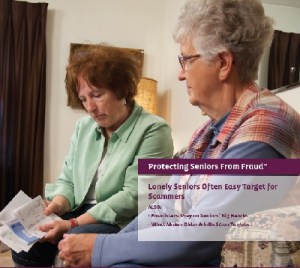
Senior Scam minneapolisAs a result, the nonprofit National Association of Triads and Home Instead Senior Care Minneapolis have launched a public information program to educate families and seniors about how to protect themselves. The Protect Seniors from Fraud program provides family caregivers with a number of important tools including a Senior Fraud Protection Kit. Download your copy today!

In it, you’ll find these 5 tips to protect seniors from scams:

  1. Add seniors to the national Do-Not-Call Registry. A study has shown that one of 10 telemarketing callers is a scammer. People may register their residential telephone number, including wireless numbers, on the Do-Not-Call Registry at no cost. To register online and for additional information, go to www.donotcall.gov. To register by phone, call 888-382-1222; for TTY, call 866-290-4236. You must call from the phone number you wish to register.
  2. Shred documents that could be useful to criminals, including bank statements, credit-card statements and offers, and other financial information. Documents that need to be preserved, such as tax filings and car titles, should be stored in a safe deposit box.
  3. Insist that your senior calls the local Better Business Bureau (BBB) or gets a BBB Business Review online at bbb.org before acting on a phone call or a piece of mail, or agreeing to a visit from an unknown person, business or charity. Point out suspicious mailings, especially look-alike envelopes that mimic letters sent from the Social Security Administration or Internal Revenue Service.
  4. Insist that your senior never give out personal information nor agree to give money over the phone. Rather ask for written information to be sent through the mail. The best rule of thumb is to “never provide information in a phone call that you did not initiate.”
  5. Establish a strong defense by posting a “No Solicitation” notice by senior’s front door and help them to sort through his or her incoming mail. A Home Instead Senior Care CAREGiver actually prevented fraud by noticing endless magazine subscriptions, along with invoices for them!

Do these tips sound helpful? If so, download your own  Senior Fraud Protection Kit and learn 5 more!

senior careAccording to experts, the top three crimes targeting seniors are identity theft, Medicaid/Medicare and medication fraud, and financial exploitation. The demographics of an aging population and the sophistication of scammers are adding up to big losses – both financially and emotionally – for older adults. The annual financial loss by victims of elder financial abuse is estimated to be at least $2.9 billion, a 12 percent increase since 2008.

Home Instead Senior Care of Minneapolis clients is urging Minnesota families to be protect senior loved ones from scammers who may be targeting them with clever cons that could jeopardize not only their life savings but their independence.

Senior Scams Attempted on our Clients

It’s probably incomprehensible that your Dad who is the most fiscally responsible person you know or your Mom who warned you every day about “stranger danger” could get scammed. However, one recent study reported by Consumers Digest estimated that there are at least 5 million cases of elder financial abuse in the United States each year yet, according to a 2011 AARP study, only 25 percent of senior scam victims report their fraud cases to authorities. Unfortunately, Home Instead Senior Care of Minneapolis CAREGivers all too often witness scam attempts against their clients by unscrupulous people who call seniors on the telephone, knock on their doors in their quiet Minnesota neighborhood or otherwise solicit them for fraudulent purposes. That is why we developed the senior scam minneapolisSenior Fraud Protection Kit. Click here to download your kit which contains senior fraud triggers and targets, a checklist to scam proof your senior and a handy list to put next to Mom or Dad’s computer or phone of do’s and don’ts that can help protect them from scammers.

As Client Care Coordinator for Home Instead of Minneapolis, Jill Heley-Otterson is a trusted advisor to the seniors we serve. So trusted in fact, that she was recently contacted by one of our clients asking if Jill could help get her out of a “real mess” she’d gotten herself into and she did not want her husband or children to know what was going on. Jill went to her home and found out that for the last 2-3 months, she had given almost $5000 to two men that kept calling her day and night. They told her she was going to get an expensive new car and $2 million as a Publisher’s Clearinghouse winner, but she had to pay a few installments in order to collect her winnings. They kept instructing her to go to a local Minneapolis area pharmacy and purchase certain green packets. Once she added money to them, they would call her back and ask for the scratch-off code on the back in order to access the funds. It appeared that each time was around $750. She finally realized that she was being conned but, having lost so much, she kept thinking that if she just paid them ONE more time, that she would actually get the car and $2 million…and that they would stop calling her. These guys were very convincing, and knew just what to say to keep her on the hook.

The local law enforcement has no way of tracing or investigating this type of crime because the people making the calls are usually overseas and use computers to re-route the numbers. Jill worked with the client to block the two numbers she had for these men, but as they sat there, the calls immediately started up again with local numbers showing on the caller ID. The only way to stop the calls was to turn the phone off. With the client’s permission, Jill called Adult Protection to report what was happening. In the end, her family was made aware of the situation and both her home number and cell number had to be changed and family is closely monitoring the client’s finances and bills.

When a client of Home Instead Senior Care Minneapolis was diagnosed with MS, even though she was not seriously ill, her son and daughter in law persuaded her to turn over all of her financial affairs to them.  In addition, she deeded the house over to them.  In doing so, she basically gave up any say she had in how her money was spent – and her son and daughter in law took full advantage of this.  They went on trips to Las Vegas with her money, bought things for themselves and took over the home by moving into it and relegating her to just being in a couple of the rooms that were wheelchair accessible.  They created a very hostile work environment for the CAREGivers.  They were only allowed to talk to the client and they could not talk to or engage with the young granddaughter that lived there also.  They would get suspicious and nasty if the client and the CAREGiver were having a conversation that they could not hear – and would yell at them about it.  Home Instead got calls from the son and daughter in law saying the CAREGivers were not allowed to purchase anything for the client (even a candy bar) unless it was approved by them and the CAREGivers were not allowed to park in the driveway, even in the winter.  The client was totally isolated from her family – not allowed to call her sister or her friends.  This is why Home Instead kept sending CAREGivers out there, simply to make sure that there were eyes and ears while authorities and family were making plans to get her out of this situation. Adult Protection was brought into the situation.  The daughter in law was also very specific in the age and appearance of our CAREGivers because she did not trust her husband with them.  The police came to the door one day because the son had snow blown the entire yard of snow onto the street, and cars could not get by.  He demanded that our CAREGiver not open the door to the police!  She did defy him, which made him very angry. All in all, this was a very hostile environment both for our client and our CAREGivers.

Our primary CAREGiver and our Client Care Coordinator helped the client make a plan to move to an assisted living facility, secretly.  It took some time and a lot of planning and when the son and his wife were out of town – she secretly made the move with the belongings she wanted with her.  The facility had extra security involved to prevent her son and his wife from having contact with her or causing trouble.  Their pictures were at the front desk (and probably still are) stating that they are not allowed in the building.  Our client was so thrilled to be reunited with her sister and other family.  She has been thriving, is happy in her new environment, still receives services from us, and is engaged in her new community.  Her son and daughter in law no longer have her money to live off of and are involved in a huge legal mess that is ongoing as far as we know.

Another scam case was less intrusive but could have been equally as damaging. A senior client of Home Instead Senior Care Minneapolis had endless magazine subscriptions that just kept coming and coming! He was getting invoices for the magazines even though his current subscription is paid up for the next ten years. He didn’t realize that he’d paid so far ahead and thinks that he actually needs to pay each of these invoices. Our CAREGiver is monitoring this by insisting that together, they look at a current magazine to find the end date before paying on any more invoices. She is also coaching him to say no to telemarketers. It’s difficult for seniors who may be lonely. They may not mind hearing a friendly voice on the other end of the line… even if they are asking for something. It makes it very hard for them to say NO.

Home Instead’s mission is to help keep Minnesota seniors living safely and independently in their homes for as long as possible includes helping to protect older adults from those trying to take advantage of them.
We are proud to serve as a second set of eyes to help deter tricksters and scammers. With the legacy they leave all of us, our nation’s seniors are treasured commodities that deserve to be shielded from criminals and thieves – a mission we can all feel good about embracing.

Preserve Family Memories of Senior with Alzheimer’s to Stay Engaged

alzheimersIf maintaining independence is a goal of your loved one who has Alzheimer’s disease or another dementia, strive to keep them engaged with their family, Minnesota community and their surroundings. A senior’s home in Minneapolis or surrounding suburbs might just be the best place to accomplish this.
Dr. Jane F. Potter, chief of the Division of Geriatrics and Gerontology at the University of Nebraska Medical Center says, “At home, they will be engaged in self-care, they will be more active and do more for themselves.” As an expert panelist who helped develop content for the Home Instead Senior Care® network’s free Alzheimer’s Disease or Other Dementias CARE Training Program, Potter advises, “The course of losses accelerates if you put seniors with dementia in restrictive environments where people do more things for them.” Potter developed this program with Dr. Amy D’Aprix. View the recent Facebook photo of Dr. D’Aprix with Home Instead Minneapolis’ own John Stuck!

Home Instead Senior Care Minneapolis is here to help you with that goal. Following are important tips on how family caregivers can continue to engage seniors with Alzheimer’s in everyday activities:

• Exercise can help keep seniors active longer. Talk to their home care provider about simple exercises they can do, take them for a walk or even just encourage movement.

• Simplify the task. Allow the senior to dress themself as much as possible. Make it easier by laying out clothing in sequential order, with the underwear and socks on top.

• Allow seniors to do as much as they can, but step in when you see that they’re not physically able so they don’t get frustrated. Give clear instructions, one step at a time.

• Make activities easier or change the activity. If your Mom with Alzheimer’s used to love to bridge but can’t remember how, play war or another card game instead.

• Remember, it’s more than just about the task. Turn a bath into an opportunity to smell different soaps or, when picking out clothing, discuss fashion or special colors.

• Start an activity and then ask the senior to help. If your mom has forgotten how to make that favorite family recipe, begin the process and have her help with whatever she can.

alzheimers memoryOne way to preserve the memories of those families dealing with Alzheimer’s is by creating a scrapbook. Brian Olmstead, President of Archiver’s says, “A scrapbook is a great way to preserve your family’s special stories and memories, and can be as simple as gathering your photos, putting them into an album, and writing down the important details. At Archiver’s, we’re passionate about memories and are here to make it easy to preserve and share yours.” Archiver’s has seven Twin Cities locations including one near our Home Instead Senior Care office in Maple Grove. Organize a family scrapping session in their free workrooms. Feel free to utilize their classes, in-store copier for making copies of delicate heritage photos, helpful store associates, and archival-quality products.

To accommodate your family member’s cognitive ability level and make sharing memories in a positive, meaningful experience, keep the following considerations in mind:
1. Spread photographs out on the table in their home and casually discuss them. Try to select ones that spark your loved one’s interest or memory.
2. Ask personal questions about their family and Minneapolis area upbringing but don’t interrogate.
3. Involve other family members so the senior with Alzheimer’s isn’t on the spot.
4. Focus on general memories and emotions instead exact facts and details. Incorporate their favorite color or mementos from of Lake Minnetonka.
5. Share your memories as well, especially the more recent ones which a senior with Alzheimer’s will be less likely to remember.
6. Work on the project is short increments and record the discussion.

The activities should focus on what that senior can and wants to remember. You can help to minimize frustration by paying attention to your loved one’s limitations and adapting opportunities for reminiscing accordingly. The goal is to give your family member with Alzheimer’s the opportunity to share cherished memories and preserve them for generations to come. For more information, go to https://www.helpforalzheimersfamilies.com/AlzheimersandMemory/

10 Tips to Help Minneapolis Families Cope with Alzheimer’s

Issues related to aging can add stress to even the most stable Minneapolis families. Taking turns caring for a senior after surgery, deciding who’s going to mow the lawn and who’s going to assist with doctor appointments and hiring elderly home care are all typical (yet time and energy consuming) tasks for Minnesota family caregivers. Adding behavioral changes related to Alzheimer’s and dementia can push families to the brink. Watch Laurie Owen from Home Instead Senior Care and Dr. Jane Potter from the University of Nebraska Medical Center discuss the lifestyle changes for patients with Alzheimer’s disease or other dementias.

“Regular communication – whether it’s by email or phone – is the single biggest key to helping families cope with Alzheimer’s disease,’’ said caregiving expert Dr. Amy D’Aprix, who developed Caring Cards exclusively for Home Instead Senior Care to engage families in meaningful communication. Here are 9 more tips from Dr. D’Aprix and the Home Instead Senior Care network to helping families stick together through the ups and downs of Alzheimer’s disease:

  1. Get an accurate diagnosis: Get several opinions, if necessary, to ensure that all family members, doctors and home health care professionals caring for your loved one know and understand the situation.
  2. Hold a family meeting: Often times, the main caregiver becomes the only person who has the important information needed to care for the person with Alzheimer’s. Gather family members together with a professional  to ensure that everyone shares the same information and gets the resources they need.
  3. Learn to manage change: Dementias are ever-changing conditions. Find a support group in the Minneapolis or St. Paul area to share with others who are facing similar challenges.
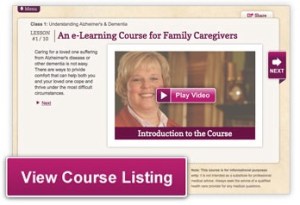
  4. Learn skills and techniques: The behavioral changes that come with Alzheimer’s disease and other dementias can be difficult to manage. The resources of the e-learning Family Caregiver Training can help. Find memory activities and puzzles here.
  5. Ask the primary caregiver if they need help: The main day-to-day caregiver can harbor resentment towards others who they feel should be doing more. Look at what needs to be done and ask the primary caregiver how you can give them respite.
  6. Assign tasks: Family members who live out of town can still help with things like finances. Make a list of all that needs to be done and form an online care team to allow others to help.
  7. Ask for help if you’re the primary caregiver: Are you the only one of your siblings in Minneapolis who lives by your parent? Or maybe you’re the oldest daughter and everyone expects you to be the caregiver. Whatever the circumstance, caregivers of seniors with Alzheimer’s disease and other dementias shouldn’t try to go it alone. (Hint…see tip #6)
  8. Preserve memories: Create a video of your loved one with Alzheimer’s telling stories about their lives or design a shadow box of keepsakes. Make sure to read next month’s blog from Home Instead Senior Care of Minneapolis for more information!
  9. Tap into local Minneapolis resources: Families can’t have too much information when it comes to managing  the behavioral changes of Alzheimer’s disease. Contact a Home Instead CAREgiver who has received special training to care for those with all types of dementias.

Dr. Amy D’Aprix also prepared content for the Alzheimer’s Disease or Other Dementias Training Program called CARE which stands for Changing Aging Through Research and EducationSM. Programs like these as well as the online Family Caregiver Alzheimer’s Training were developed exclusively for Home Instead Senior Care and FREE to you!

Each e-learning class in the Family Caregiver Alzheimer’s Training  program can be completed within 5–15 minutes and include:

  • Understanding Alzheimer’s and Other Dementias
  • Capturing Life’s Journey
  • Managing Behaviors
  • Encouraging Engagement
  • Safety

To begin your free online training immediately, simply click here and “home instead facebookLike” our Facebook page.

As a Fan of our Facebook page, you’ll have access to special opportunities and resources such as this training that we offer throughout the year. Already a Fan? Click here and get Family Caregiver Alzheimer’s Training now!

10 Signs of Alzheimer’s – Download Guide

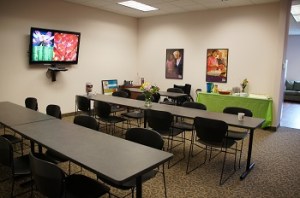
Home Instead senior careHome Instead Senior Care of Minneapolis is all settled into our new office space and we hope you had a nice time being entertained at our open house. Our home care staff and CAREGivers had a great day giving tours and connecting with clients and associates. Now, that we have this large conference room, we’re ready to  welcome and educate! First topic…Alzheimer’s Disease.

Why have we chosen such difficult and sobering topic? Because it’s a reality for so many Americans, including our senior home care clients. According to the Alzheimer’s Reading Room, someone is diagnosed with Alzheimer’s Disease every 70 seconds. Yet it’s often difficult to tell if your loved one in Minneapolis has Alzheimer’s, Dementia or just has brief lapses in memory.

alzheimers trainingDementia is the umbrella term for the variety of conditions that can cause the brain to fail. One of those is Alzheimer’s disease, which represents the majority of cases, noted Dr. Jane F. Potter, chief of the Division of Geriatrics and Gerontology at the University of Nebraska Medical Center.  One thing to consider is, “Normal old age does not cause memory loss. It’s not normal when people can’t take care of daily business, such as paying bills and writing checks.” Dr. Potter said.

It’s imperative to consult a Minnesota physician to hopefully catch the disease early so following are 10 warning signs of Alzheimer’s compared with typical age-related changes, according to the Alzheimer’s Association.

  1. Disruption of daily live due to memory loss: Forgetting information recently attained is more common with Alzheimer’s than forgetting past events. Typical age-related change? Forgetting people’s names or appointments, but remembering them later.
  2. Inability to solve problems or plan: Some people may have difficulty working with numbers or are unable to plan an event or follow a sequence of events. Typical? Making occasional errors when balancing a checkbook.
  3. Difficulty completing tasks they do every day: Pay close attention if a senior in your life forgets the rules of their or gets lost driving to a familiar Minneapolis destination.  Typical? Occasionally needing help using a microwave or recording a television show.
  4. Are not able to retrace steps to find misplaced items:  We all lose things, right? A person with Alzheimer’s might put things in unusual places or accuse others of stealing. Typical? Misplacing things from time to time, such as a pair of glasses.
  5. Confusion with time or place: Forgetting what day it is, holidays or loses track of time. Typical? Getting confused about the day of the week, but figuring it out later.
  6. Trouble understanding images and spatial relationships: They may not realize they are the person in the mirror. Typical? Vision changes related to cataracts.
  7. Decreased or poor judgment: The inability to make a decision-making or making detrimental choices are behaviors to look for with Alzheimer’s. Typical? Making a bad decision once in a while.
  8. Withdrawing from work or social activities: Continuing to reject social activities, refrain from hobbies or not go to work should cause concern. Typical? Sometimes feeling weary of work, family and social obligations.
  9. Difficulty speaking or writing words: Does your loved one have trouble joining or following a conversation when they’ve been quite social in the past? Typical? Sometimes having trouble finding the right word.
  10. Changes in mood and personality: Some can become confused, suspicious, depressed, fearful or anxious. They may be easily upset at home, at work or with friends or in places where they are out of their comfort zone. Typical? Developing specific ways of doing things and becoming irritable when a routine is disrupted.

* Source: http://www.alz.org/alzheimers_disease_10_signs_of_alzheimers.asp.

minneapolis alzheimersTo Download a PDF version of the full David Troxel Guide to Coping with Alzheimer’s Disease & Dementia, Answers to the 15 Most Common Questions, simply click here, home instead facebookLike our Facebook page and download the guide immediately!

As a Fan of our Facebook page, you’ll have access to special opportunities and resources such as this guide that we offer throughout the year. Already a Fan? Click here and download now!

The Home Instead Senior Care® network is a corporate member of the Alzheimer’s Association Alzheimer’s Early Detection Alliance, whose goal is to educate about the warning signs of Alzheimer’s, the importance of early detection and the resources available to help them.

What to Expect with Alzheimer’s

The diagnosis is clear…a senior in your life has been diagnosed with Alzheimer’s disease which can trigger anxiety and fear. What can someone with an Alzheimer’s diagnosis expect?

Based on Home Instead Senior Care® network research, those with Alzheimer’s disease or other dementias who live at home without in-home care reported these common problems, in addition to the warning signs identified above:

  1. Wandering
  2. Nighttime wakefulness and other sleep problems
  3. Refusing to eat
  4. Rummaging around or hiding things
  5. Belligerence, anger or aggressive behavior
  6. Hallucinations, delusions or paranoia

Despite this grim expectation, there is hope on the horizon. “One of the promising areas under study is exercise; it appears that avid exercisers have a lower risk of dementia. So identifying people at risk and developing an activity program are among therapies being considered”, said Dr. Jane F. Potter, chief of the Division of Geriatrics and Gerontology at the University of Nebraska Medical Center. “The currently available treatments are used when dementia has fully developed,”  “All of the new trials are focused on early identification to target the stage before dementia – mild cognitive impairment. In the future we should be able to identify and treat people with mild cognitive impairment to keep the disease from progressing,” she said.