Thursday, May 3, 2012 12-5 p.m.
9684 63rd Ave N, Maple Grove
Tour our spacious new setting
Enjoy complimentary refreshments
Why Did We Move?
In addition to making room for our growing home health care business, Home Instead Minneapolis CAREGivers, our clients and their families will now be able to comfortably attend training sessions and other important gatherings. For instance, our CARE: Changing Aging through Research and EducationSM program is a unique training program that works to change the way people live with Alzheimer’s or other dementias. It involves:
Capturing Life’s JourneySM – Gathering past stories and experiences helps the CAREGiver give comfort and customized care; all the while honoring who the senior was earlier in life.
Techniques to Manage Behavior – CAREGivers use techniques such as giving simple choices and redirecting, allowing the senior to remain calm and safe at home.
Encouraging Engagement – Engaging seniors throughout the day builds self-esteem, enhances physical strength and reduces behaviors that need to be managed. Using techniques and activities, CAREGivers focus on the seniors’ mind, body and soul.
Supporting the Family – CAREGivers understand the struggles and challenges that accompany caring for a loved one. They are trained to work closely with the family and have open communication, which results in quality care for the senior.
Home Instead Minneapolis CAREGivers trained in the CARE program have a passion and desire to work with Alzheimer’s or dementia clients. Our new facility accommodates ongoing classroom training and testing they receive prior to caring for a senior with Alzheimer’s or other dementias. CAREGivers also receive multi-phased safety and caregiving education programs, so our new training room will be busy and well used so that you can rest assured your loved one is with a trusted, well-qualified, home health care professional!
If you have a relative with Alzheimer’s disease, Home Instead Senior Care of Minneapolis would like to reach out to you. The challenges and emotional ups and downs involved in caring for a loved one with Alzheimer’s are often quietly handled within the family. In this post, we’ll provide information on how you can share your Alzheimer’s story for a chance to win a family reunion package, as well as some special information on preserving memories of a loved one with Alzheimer’s disease or dementia.
Deadline is January 31st!
Every family’s story is unique and different. What’s yours?
Home Instead Senior Care Network is running a January contest. To enter, simply share a bit of your family story in essay or video form by January 31st. By sharing your story, you will be entered to win a family reunion!
Finalists will be chosen by a Judge’s Panel and notified by February 15th, 2012. Online voting will occur from March 28th through June 30th, 2012. And the family that wins the Grand Prize will be revealed (after the family reunion event) on November 15th, 2012.
Visit the contest page on the main Home Instead website for complete details.
How to Preserve Your Special Memories
Memory sharing for people experiencing Alzheimer’s disease or other dementia can be a wonderful way to help your loved one engage with his or her meaningful past. It is important to find caring, non-stressful ways to help someone dealing with a decline in cognitive ability to share memories. Here are some tips to help you plan your memory sharing sessions:
1. Encourage memory sharing without putting your loved one on the spot.
In a group situation, such as a family get-together in Minneapolis or St. Paul, you can encourage your loved one to share a memory in a gentle way by asking a broad, open-ended question. And be patient for the answer. For example, you could ask if mom or dad has a special memory from one of your Minnesota family camping trips. But avoid more specific questions like, “Mom, do you remember what trip we took in 1989?”
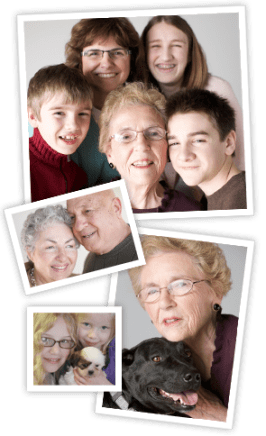
2. Share pictures and reminisce, without expectation.
Your loved one might enjoy looking at family photo albums, but may not recognize everyone in the pictures. Avoid quizzing him or her about photos of specific individuals. Instead, offer your own thoughts and allow your loved one to share thoughts and memories as they occur. For example, you might say, “Oh, I remember that day. You wore that pretty blue dress.” Allow time for your loved one to ponder and share too.
3. If recording, be patient and give your loved one time to reflect and share.
Recording video or audio is a great idea, but remember to leave plenty of time for the session together, and be okay with gaps and silence. With patience, you may be able to draw out some special memories. Remember that excess silence can be edited out later.
4. Make a list of general, open-ended questions, not specific dates and details.
Go into the memory sharing session without an expectation of recording an exact journalistic account of your loved one’s life. Bring a list of open ended questions with a goal to encourage your family member to talk about what he or she wants to remember and share.
5. Be conversational and invite thoughts to flow.
It’s important when speaking with someone experiencing mental decline to be conversational and ask a variety of questions, but without interrogating. It’s okay to probe a bit for more detail, but without putting the person on the spot or causing discomfort. Certain memories may surface with some gentle prodding in a light, conversational manner.
6. Be prepared to end the session at a natural stopping place.
Whether your memory sharing session is long or short will depend upon a number of factors on any given day, including how close it is to mealtime and whether your loved one is having a particularly good day. Be prepared to extend the session if the memories are flowing, or bring it to a close if your loved one seems fatigued, frustrated or eager to change the subject. Did You Know? Our Staff is Specially Trained to Help People Living with Alzheimer’s
Our CARE approach (Changing Aging through Research and Education) can make a huge positive impact on the way people live with dementia. We utilize a unique CAREGiver training program to help our Home Instead CAREGivers provide the most caring, skilled support to families caring for a loved one with Alzheimer’s or other dementia.
Our support services include:
Capturing Life’s Journey –With this memory care service our CAREGiver will gather past stories and experiences; doing so provides comfort and customized care while honoring the senior’s special past.
Techniques to Manage Behavior – By giving simple choices and redirecting, our CAREGivers help your family member to live safely at home.
Encouraging Engagement – Our CAREGivers focus on your loved one’s mental, physical and social well-being. Engaging seniors throughout the day builds self-esteem, enhances physical strength and reduces behaviors that might put the senior at risk.
Supporting the Family – Home Instead CAREGivers are to work closely with your family and have open communication, which results in quality care for the senior.
Home Instead Minneapolis CAREGivers who are trained in the CARE program receive ongoing classroom training, which the Center of Aging Research Education Services (CARES) at the University of North Carolina Chapel Hill helps to administer. Our trained team not only has a full understanding of what to expect and how to treat dementia clients with care, but they also have a passion and desire to work with these clients and ensure quality of life.
Children of elderly parents today may find themselves in a caregiving role, and often must share that role with their brothers and sisters. What happens between these siblings can be smooth or tumultuous, depending upon a number of factors. And according to research performed for the Home Instead Senior Care Network®, the ramifications of rocky sibling relationships can have a negative impact on the quality of care for the senior.
Dementia care can be particularly trying for sibling relationships. The symptoms of Alzheimer’s disease can be tricky to identify in the early stages, and the siblings may not agree on the senior’s capabilities, current condition, or need for at home care. Minnesota is home to an excellent array of home care services, enabling families to obtain personal care and companion services for senior loved ones. Making this choice provides respite care that can allow the sibling caregivers to smooth troubled waters in their family relationships.
The Home Instead Senior Care Network of Minnesota acts as the go-to resource for Minneapolis home care services, not only for Alzheimers care but for all levels of need, from an occasional home health aide to round-the-clock care. In this post we’ll cover some of the challenges that commonly occur in families with seniors who are experiencing declining mental or physical well being. Addressing these challenges through family therapy, legal counsel and respite care can make an enormous difference for both the family members and the senior.
How to Identify Family Challenges that Affect Senior Care
The most common challenges we see between siblings play out in familiar ways, including the following.
“It’s like we’re right back in childhood.” If you feel this way, you’re not alone. Adult siblings of seniors often have the same frictions crop up that they experienced as children. A desire to prove your point or a feeling that you are not being heard or respected may be a sign that your relationship with your sibling has not healed from challenges of the past.
“Mom can still take care of herself!” Some siblings may advocate assistance or enforced restrictions on a senior parent’s activities, such as driving or taking walks alone, while others feel these restrictions are demeaning to the parent and unnecessary. Some may worry that the parent is an accident waiting to happen while others feel more protective of the parent’s emotional well-being than fearful of any real or perceived dangers.
“Who is going to pay for that?” Adult siblings very commonly disagree over issues regarding estate planning, the topic of inheritance, and other financial concerns. All of these issues may crop up especially in a family where there are income disparities, perceptions that one sibling is a “favorite”, and of course anytime money and expenditures are a concern.
“When are you going to do your part?” One of the most common ailments in sibling relationships when a senior needs in home care or companion care is an inequity in the division of labor. This phenomenon, known among experts as “burden of care,” can go on for years, creating ongoing and deepening conflict among adult children who do not see eye to eye on how to shoulder the responsibilities of caring for mom or dad.
Strategies and Solutions for Feuds and Addressing Senior Needs
The challenges we’ve described, while difficult, are not insurmountable. Understanding that feuds and rivalries of this kind are common is a first step. The next step is to identify strategies to help.
Family Relationship Strategies
Dr. Ingrid Connidis, Ph.D., a sibling relationships expert at the University of Western Ontario, worked with the Home Instead Senior Care Network to develop the 50-50 RuleSM public education program for sibling caregivers. “It’s hard on elderly parents to know their children are in conflict,” Dr. Connidis said. When a family is falling apart at the seams, the senior may be the one who suffers the most. Dr. Connidis highly recommends engaging parents in their own caregiving options as much as possible. Hold family meetings and involve third parties as needed. Professionals to consider as impartial advisors may include doctors, geriatric care managers, and attorneys specializing in family legal matters.
Senior Care Strategies
Obtaining in home care is another step to consider. Again, many resources exist in the state of Minnesota. Consider calling the Home Instead Senior Care Network of MN. Or perform an internet search on terms such as “senior care Minnesota,” “Home Care Plymouth,” and “in home care Minneapolis.” Whether home care for Alzheimers related symptoms is needed, or obtaining part time attendant services can help relieve the stresses on sibling caregivers, creating a workable strategy will help to maintain well being and quality of life for the senior.

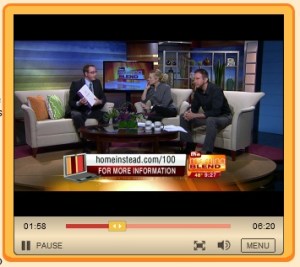 Learn more from our friends at Home Instead, Omaha!
 2. Share pictures and reminisce, without expectation.
 6. Be prepared to end the session at a natural stopping place.
 Home Care MN and Senior Care Information in Minneapolis