How to Make a Senior’s Holidays Merry and Bright

senior holiday

The hustle and bustle of the holidays may leave you feeling like you need a nice vacation in a tropical place, far, far away from Minneapolis. But for a senior, quite the opposite may be true. The lack of activity and involvement for retirees who no longer need to sprint from Thanksgiving to New Years can create a completely different set of challenges. And with their relatives even busier than usual, Minnesota seniors may have even less quality time and companionship than during the rest of the year.

In this blog we’ll share some tips for reducing holidays stress for yourself and the senior in your life, and finding ways to share quality time. Our Caregivers here at Home Instead Senior Care of Minneapolis incorporate these ideas into their time with clients.

Be Aware of the Holiday Blues

Holiday time can be a time of joy and splendor, but often our expectations can be set so high that it is difficult for the actual events to measure up. Add the challenges of aging, traditions and activities that may have come and gone, the loss of friends and loved ones, and you have a recipe for “holiday blues.”

Tips and considerations:

  • Be aware of sudden changes in mood. The symptoms of an elder’s mood swings can include a lack of interest in activities, difficulty sleeping or sleeping more than usual, or a loss of appetite. Ensuring that you check in regularly is key.
  • English: this images shows the use of light bo...In addition to holiday-related sadness, seniors can experience seasonal moodiness due to less exposure to sunlight. Called “seasonal affective disorder” or “SAD”, this type of depression affects many elderly people in the fall and winter months, especially in Minnesota. Keep in mind that anything more than a mild case of the blues is a reason to get a physician’s evaluation. There may be supplements or medications that can help.
  • Encourage your senior to talk about his or her feelings and memories. Just having an outlet for chatting about those feelings might make a difference.
  • Create opportunities for silliness. Laughter really is one of the best medicines. Watching movies together like “Grumpy Old Men” (filmed right here in Minnesota) can help you to have some laughs over the foibles of aging.

Cover of "Grumpy Old Men"

Schedule Simple, Fun Visits

The simple things matter. Factoring in even a brief get together to chat or do a fun activity can make a huge difference in the life of someone with few involvements.

Tips and considerations:

  • Put a regular time on your calendar to get together with your senior throughout the holidays season.
  • Take a coffee break together.
  • Decorate a small table top tree.
  • Write and prepare holiday cards for mailing.
  • Play a game of cards or work on a puzzle.
  • Bring your senior to your Minneapolis or St. Paul home for holiday dinner.
  • Invite Mom or Dad and their home care Caregiver to your child’s holiday program or party. That way, you and your loved one will get to participate in fun events.

Doing these activities will help you to slow down too. Scheduling a short break for some fun can help you relax, catch your breath, and even create some special memories that will help you feel more grounded and less frenzied.

Arrange for Safe, Stress-Free Outings

When preparing for an outing with your senior, be sure to pack along any necessary supplies to ensure that you account for the Minnesota weather, the senior’s health neds and unexpected situations.

Tips and considerations:

  • Slow down and remember that everything takes longer during the busy holiday season when more people are on the road and in the stores.
  • Ask your home health care company if your senior has a medication regimen or needs insulin shots at meal time, then make sure that you have these items on hand, along with a list of medications and the physician’s contact information.
  • If your senior needs special items like a walker, a cane or oxygen, make sure you plan for those items and the extra time needed for getting them in and out of your vehicle.
  • Bring warm gear and an emergency kit that can help you keep the senior warm and comfortable, in the event of a car stall, flat tire or accident, while you are waiting for assistance.
  • In icy or snowy conditions, be sure to have traction devices and items like a bucket of sand and a shovel to avoid sliding or getting stuck in the snow.

Create Pleasant Conditions

If you are bringing an elderly guest to a social engagement, such as a holiday party or a weekend with relatives, think about how to create pleasant conditions for the senior, both for travel and for the destination.

  • Bring a blanket in the car for staying warm. In very cold climates car heaters often cannot create a truly comfortable temperature for a senior.
  • Prepare the host or relatives for the arrival of the senior by ensuring that there will be a quiet place to rest if the gathering of the crowd, or the exuberant sounds of small children become overwhelming.
  • If your senior guest has any dietary restrictions, make sure that there will be appropriate fare at the venue.
  • Create a comfortable place for your senior to sit, even if most people are standing and mingling.
  • Invite involvement by asking the senior to share a special story or memory with others at the gathering.
  • Check in with the senior to determine when he or she has had plenty of excitement and is ready to leave the festivities.

Christmas gifts.

Save Time

With all the cooking and preparation going on, it may seem like you need more than 24 hours a day to get it all done. Think about ways to save time and consolidate activities.

Tips and considerations:

  • As you’re cooking, double up a batch here and there. Freeze casseroles and leftovers in small portions that can be warmed for an easy nutritious meal for your senior.
  • Writing cards? When writing cards to relatives and friends known by your senior, consider adding their greeting to your cards.
  • Wrapping gifts? Think about doing so while chatting or watching a movie with your senior loved one to share some time together.
  • Do one less thing. Maybe that last run to the store can be forfeited for a little relaxation time, a phone call or visit to your senior loved one, or some time singing holiday carols together.
  • Consider hiring home respite care which allows you a “break” and ensures that your loved one is and taken care of.

Create New Memories

Lingering memories can be wonderful and sometimes painful. If old traditions no longer happen due to physical limitations or loss of certain family members, it may be time to create some new special memories.

Tips and considerations:

  • Think about ways to revive some of the past traditions in a new way. For example, if you used to have a holiday ice skating tradition, perhaps you could go and watch the ice skaters and drink hot cocoa.
  • Do some window shopping and browse holiday window displays at big department stores.
  • Take a tour of beautiful holiday lights or ask your senior’s home care provider to oblige. You can usually find a Minneapolis neighborhood or two that really puts on a show.
  • Establish a “white elephant” gift exchange over tea to make gift giving pleasurable and low-stress.

Just remember that one of the most important gifts you can give an elderly person is the gift of time. Enjoying time together, whether for an hour or an afternoon, will bring the magical light of the holiday season into a senior’s life.

Brighten Someone’s Holidays! Be a Santa to a Senior

Have you heard? Home Instead Senior Care Minneapolis is, once again, bringing Santa to seniors with the Be a Santa to a Senior® program. But hurry. You must choose your senior gift recipient by December 9th, 2011. In this blog post, we’ll share this exciting program with you and tell you how you can help. We know you’re busy, but we have good news: there are two great ways you can help. And they are both easy.

Facebook Home InsteadLike Us to Donate a Dollar

Home Instead Senior Care Minneapolis is donating $1 to Be a Santa to a Senior for every single new “Like” on our Facebook page during the month of November! So head on over to Facebook and Like us now. And be sure to share this easy click-to-donate campaign with your friends and family.

Join the Be a Santa to a Senior Campaign

The Be a Santa to a Senior® campaign is all about helping seniors who are alone or in need. The campaign, which first launched in 2006 by our parent organization, helps seniors to get a little TLC during the holidays. The Minneapolis office of the Home Instead Senior Care® network, the world’s largest provider of non-medical in-home care and companionship services for older adults, has partnered with local non-profits groups like Little Brothers Friends of the Elderly, Meals on Wheels and several Lunds/Byerlys, several nursing homes and low income housing to provide gifts and companionship to seniors who otherwise might not receive either this holiday season. It began with just one nursing home, and has since grown into a movement.

Here’s a little story that illustrates the impact this program can have on seniors’ lives. The year after its fledgling effort, Home Instead Senior Care volunteers returned to the first nursing home they had visited the year before and discovered their card to one of the residents still pinned to the bulletin board. They learned that the card and gift from Home Instead were the only ones she received that previous year, so the card continued to be very special to her.

Now you can help brighten a senior’s life too.

How to Participate in Be a Santa to a Senior

Senior Santa
Creative Be a Santa to a Senior display at Starbucks

Here’s how it works:
1. Head to any of the following locations:

  • Lund’s or Byerly’s stores with pharmacies in Minnetonka, St. Louis Park, Wayzata, Plymouth or downtown Minneapolis, MN
  • Starbucks 2661 Campus Drive, Plymouth, MN
  • Starbucks 16725 C.R. 24, Plymouth, MN
  • Starbucks 4175 Vinewood Lane North, Plymouth, MN
  • Starbucks 7802 Olson Memorial Highway, Golden Valley, MN
  • TwinWest Chamber of Commerce – 10700 Old County Road 15, Suite 170  Plymouth, MN 55441

2. Locate the Christmas trees, and choose any ornament with a senior’s name on it. You will find gift suggestions for that senior printed on the ornament.
3. Purchase the item(s) listed, put the item in a gift bag, return to the store with the ornament and deliver them to a store employee.
Your participation can make a difference!

About the Be a Santa to a Senior Campaign

Here’s how the program works. The Home Instead Senior Care network partners with local non-profit and community organizations. Together they identify seniors who perhaps live alone, do not have family members nearby, or are experiencing financial difficulties. The program targets many seniors who otherwise might not receive gifts or visits from family during the holidays.

Home Instead Minneapolis then works with local businesses and retail stores that are willing to help by placing trees and ornaments within their various locations. The involvement from busy stores gives the program visibility and provides a convenient way for shoppers to volunteer their assistance during the busy holiday season.

Since its inception, the Be a Santa to a Senior has attracted nearly 60,000 volunteers throughout North America, and has provided 1.2 million gifts to over 700,000 seniors who are in need of assistance or companionship. Now you can join the movement and help a senior in your Minnesota community.

Need Further Information?

The Be a Santa to a Senior website, provides a locator tool that enables you to find a store by zip code.

Making Time for Senior Meals and Making Conversation

Many of us in the Minneapolis area and throughout, in the hustle of work, family and social commitments, do not stop to reflect on what it might be like when the hustle stops, our responsibilities are diminished and we have a lot of time without social contact. Seniors living alone, however, experience the lack of commitments and conversation acutely; they often have ample time without companionship or social interaction, which can be especially challenging at meal time.

Meal times spent alone day after day, as we described in our September, 2011 blog post, 10 Warning Signs a Senior’s Nutrition is in Danger, can have a negative impact on a senior’s nutritional health and well being.

The statistics are daunting:

  • Two out of five seniors living alone have at least four warning signs of poor nutritional health.
  • One out of five seniors feels lonely when eating alone.
  • A whopping 76% of seniors living on their own eat alone most of the time.
  • One of the greatest mealtime challenges for seniors who live alone is lack of companionship and a shared family experience.
  • When seniors who live alone share meals with others, the meal time lasts nearly twice as long.
  • A large percentage of seniors living alone say they eat more nutritious meals when eating with others. Not only that, but the food actually tastes better.
  • More than 75% of seniors wish their families shared more meals together.
  • The greatest obstacle that prevents elderly people who live on their own from sharing more meals with others is that their family and friends don’t have enough time.

These statistics are the result of a Home Instead Senior Care Network study that measured mealtime routines, challenges and preferences of seniors age 75 and over who live on their own.  Approximately 40% of the population in this age group – around 6.7 million people – lives alone, according to the U. S. Census Bureau.

The Home Instead Senior Care Network study reveals that seniors who live alone may experience improved nutritional health and well being when given opportunities to share meals and mealtime conversation.

Senior Mealtimes and Conversation

The Home Instead Senior Care network launched the Craving Companionship program as a result of this study. The program is designed to encourage families of seniors to enjoy family meals together with those who live alone.

Taking time to share a meal with the senior in your life can make a very positive difference. But what should you discuss? How can someone over 75, and mostly housebound, relate to your life as a full time working parent, soccer mom, parent of busy teens or member of the school board?

Sharing memories is one great way everyone can connect, asserts Dr. Amy D’Aprix, a life transition consultant, author, corporate speaker, facilitator, coach, and an expert in aging and senior caregiving. Dr. D’Aprix developed a resource for families called Caring CardsTM, which is a packet of “playing cards” that provides ideas for making meaningful conversation with seniors.

The Caring Cards provide starter questions like “What are some of the most valuable things you learned from your parents?” and “What was a major turning point in your life and how did it affect you?” These questions can launch excellent conversations that can bring Minnesota families together while providing insight into your senior’s life and interesting past that you may otherwise not have been aware of.

Thinking of follow up questions that help your elderly loved one to delve into his or her memories can not only keep the conversation going, but also provide important stimulus that supports healthy brain function. Looking back, would he or she have done things differently? Is there particular perspective that was gained from those past experiences? Before you know it, you will be deep in conversation and enjoying hearing the adventures and life lessons of someone with an intricate past.

For more information on the Craving Companionship program, visit www.mealsandcompanionship.com.

10 Warning Signs a Senior’s Nutrition is in Danger

Spaghetti all' arrabbiata
Image via Wikipedia

Home Instead Senior Care of Minneapolis promotes the well-being of seniors living at home. As we shared in our Senior Mealtime Challenges blog post, senior mealtimes can be difficult due to cooking for one, eating alone and a lowered appetite. And the result of these challenges can be that important nutritional needs are not met. In this post, we provide 10 things to consider to help you assess whether a senior’s nutritional profile needs some help.

1. Depression.

Living and dining alone can be a lonely experience to the point of causing depression. Not only that, but poor nutrition can lead to depression as well.

Tips: Create routine ways for the senior to have companionship in general and to take part in congregational meals. These can be Sunday night dinners with family, senior centers, senior day care services, or church events.

2. Lack of appetite.

A number of things can impact appetite, including medications, depression and lack of exercise.

Tips: Consult with the senior’s physicians to determine if medications are impacting a desire for food. And be sure to factor in an exercise routine that is within the senior’s capabilities. Ideas include regular walks or a senior fitness class at your local senior center.

3. Scarcity of nutritious items in the pantry and refrigerator.

According to studies, nearly half of seniors who live alone do not consume enough fresh fruits or vegetables or milk products.

Tips: Shop together with the senior to choose fresh healthy items from the produce aisle or a local farmer’s market. Find a cookbook that provides simple food preparation recipes.

4. Illness.

Not only can illness cause poor appetite, but declining health and illness can be worsened by poor nutrition. So it is very important to think through the senior’s diet and find healthy foods the senior will enjoy.

Tips: Browse a picture-rich healthy cookbook together with the senior on a regular basis. Plan meals around dishes that are both nutritious and enticing to the senior. Making enough so that you can create easy warm-up containers is a great idea too.

5. Physical limitations.

One fourth of elderly people living alone cannot regularly get to the store to shop for themselves or prepare the food at home. Injuries and physical limitations can prevent seniors from getting nutritious food from the grocery to the table.

Tips: There are many ways to address this issue, including:

  • Arranging Meals on Wheels
  • Soliciting help from family members to help shop and prepare nutritious meals
  • Hiring companion care.

Contact our Home Instead Senior Care of Minneapolis office to learn more. We can help you sort out the options and determine whether it’s time to bring in outside help.

6. Outdated foods and a smelly refrigerator.

Food that has expired or is going bad can not only lose any nutritional value it once had, but it can be dangerous too.

Tips: Check for spoiled foods, items with expired dates and stored food that has not been closed up or packaged properly in the pantry, fridge and freezer. Label all perishables with clearly written labels and dates.

US Nutritional Fact Label

7. A grocery list lacking in nutritious items.

If you are shopping for a senior, carefully check the shopping list.  If the list is heavy on the simple carbs and non-nutritious foods, it needs an overhaul!

Tips: Make sure the list includes a balance of healthy items including protein foods, fresh fruits and vegetables and healthy carbohydrates such as whole grain breads and cereals.

8. Weight fluctuations or poor skin health.

Is the senior gaining or dropping weight? Have you noticed a change in skin tone? Sagging skin that does not look well hydrated or a change of 10 pounds or more in a six month period could signal trouble.

Tips: Schedule regular checkups with the physician to check blood sugar, weight, hydration and other signs of vital health.

9. An empty cupboard.

Events such as power outages and storms can trap a senior at home for an extended period.

Tips: Be sure the senior is stocked up with some shelf-stable meals or drinkable nutrition such as Ensure® in case it is not possible to get to the store.

10. Isolation.

Being alone for extended periods is one of the biggest threats to aging adults, especially those with physical limitations, memory challenges, mental health issues or depression.

Tips: Create a support network of family and friends who can help the senior on a schedule with outings, exercise, companionship visits, shopping, cooking and community or church involvement.

Resources

Senior Mealtime Challenges and a Fun Recipe Contest

Our primary concern, at Home Instead Senior Care of Minneapolis, is the well-being of seniors at home. Mealtimes can be very challenging for seniors, especially for those who no longer cook for two or more. In this post we will provide the results of a study performed by the Home Instead Senior Care Network on what seniors perceive as the biggest mealtime challenges, along with ideas for how to make mealtimes a more positive experience for the senior in your life.

mealsAlso, look for recipe contest details at the end of this post. Hurry and submit your best family recipes. The contest ends on September 15th 2011!

Mealtime Challenges

According to research conducted for the Home Instead Senior Care Network, seniors described their top 10 mealtime challenges. The following is the result of the Home Instead study, starting with the most reported mealtime challenge, along with ideas and tips for helping the senior in your life to have a more positive mealtime experience.

1. Lack of companionship during mealtimes (62%)

Tip: If you can’t be there to dine with your loved one regularly, look for alternative options such as friends and neighbors. Look into activities at churches, senior centers, and resource available at your local Area Agency on Aging and your local Home Instead Senior Care network.

2. Cooking for one (60%)

Tip: You can freeze almost any kind of leftovers, including sliced and seeded fruit, by placing it in plastic containers or freezer bags. Think about creating one-serving warm-up meals from left-overs, and finding healthy, low-sodium one-serving meals.

3. Eating nutritious meals (56%)

senior shoppingTip: Buying fresh produce, when possible, is a healthy choice and is also motivating. Alternatively, buy frozen fruits and vegetables, which retain nutrient content better than canned and processed foods. Plant a garden if your senior has the ability to tend to it.

4. Grocery shopping for one (56%)

Tip: Evaluate transportation choices or grocery delivery services to help your senior get the groceries needed for healthy meals. Make a shopping list of items that work well for making small meals. And consider contacting your local Home Instead Senior Care network regarding assistance that may help your senior with activities such as shopping and cooking.

5. Eating three meals a day (49%)

Tip: Create routine around mealtime. Set mealtimes to the clock. And, because so many medications must be taken at certain meals, it is helpful to coordinate mealtime with the medication plan.

6. High expense of cooking for one (45%)

Tip: Encourage your senior to share meals, check out the local senior center which may offer affordable meals for seniors, and look into Meals on Wheels.

7. Relying too much on convenience food (43%)

Tip: Your senior may need some guidance in reading labels and choosing healthy foods. Encourage your senior to meet with a nutritionist to learn how to read labels and make healthy choices.

nursing home8. Loss of appetite (41%)

Tip: Make mealtimes special and fun. Cook up a favorite recipe, help the senior create a favorite meal, and even put out the nice china and some nice décor.

9. Eating too much food (38%)

Tip: Help the senior to establish the right portion sizes, based on activity level. Make sure at least one or two of the items on the plate are fresh vegetables and fruits for overall health.

10. Eating too little food (35%)

Tip: As much as possible, ensure that the senior is getting exercise, which will encourage a healthy appetite. If not eating continues to be an issue, contact your senior’s doctor to discuss supplemental products to ensure proper nutrition.

Contest Details

Many family recipes come with a great story. Now here’s the chance to share yours. If you’re a family caregiver, get your mom or dad’s cookbook and pull out that favorite family recipe to enter in the Homemade MemoriesSM Recipe Contest. Then tell us in a short story what makes this dish so special. Visit www.facebook.com/cookingwithgrandma to learn more about the contest and how your recipe could be a cash prize winner. The contest runs until September 15, 2011.

Senior Medication Management Tips and Tools

senior medicationIf you have a senior in your care, you may be overwhelmed by the number and variety of medications you must manage. And you are probably also aware that overdoses and drug reactions are fairly common as well.

As we reported in the Home Instead Senior Care of Minneapolis June 2011 blog on Preparing for Senior Emergencies, there are a number of things you can do to thwart emergency situations for seniors. Managing medications is among the top priorities, since over 25% of senior hospitalizations are directly related to adverse reactions to drugs.

In this post we’re focusing specifically on everything you need to know to manage senior medications. Some good preparedness strategies can go a long way toward helping you to track and manage medications and watch for warning signs of medication overdose.

What is Considered a Medication?

First, it is important to note that the term “medications” refers to any pharmaceutical prescriptions the senior is taking, as well as all over-the-counter (OTC) drugs. Both prescribed and OTC medications should be monitored carefully for reactions and/or interactions with one another. Be sure to also ask the senior’s primary care physician to review the senior’s vitamin and supplement regimen as well.

What are Some Basic Daily Strategies for Managing Medications?

Daily medication management strategies are important, whether you are managing medications for one senior or for many. Daily strategies include the following:

A patient having his blood pressure taken by a...
Image via Wikipedia
  • Follow exact dosage instructions for all prescriptions and over the counter (OTC) medicines.
  • Use one pharmacy for all prescriptions and OTC medicines, and ensure that the pharmacy has a complete list of all medicines on file.
  • If the senior sees more than one physician, ensure that all doctors have a list of all medications.
  • Read all medicine precautions and potential side effects, and know what to watch for.
  • Follow any precautions with regard to alcohol use in combination with medicines.
  • Dispose of expired medications and any medications your physician has told you to discontinue.
  • Use a pill organizer to organize medications by dose and time of day.
  • Never take medications that were prescribed for someone else.
  • Contact the senior’s primary physician regarding any side effects such as nausea, depression or sleep problems.

What Tools Can You Use to Manage Senior Medications?

Managing prescriptions and over-the-counter medications can be a daily challenge because every medication has its own regimen instructions for how and when it should be taken. Using tools such as the following will help you to manage these regimens.

1. Use the Medication Tracking Sheet from Caregiverstress.com to document all medications, dosages and instructions. Be sure to:

  • Record a date on the sheet each time you update the prescription list.
  • Bring the updated tracking sheet to every doctor’s appointment, and ensure that the senior’s medications are reviewed for potential interactions.

2. Use reminder and medications management tools and applications that integrate with your computer and smart phone. For example, you might want to consider the Caregiver’s Touch iPhone and iPod app. This app lets caregivers track and manage medications for up to 600 individuals. For a list of available tools see the Senior Health Tracking Tools blog post from Caregiverstress.com.

What Are the Symptoms of Drug Reactions or Drug Overdose?

Be aware of potential side effects and what symptoms may signal an overdose or drug reaction. The following are the most common symptoms to watch for:

  • Confusion or delirium
  • Mood swings or psychiatric problems
  • Dizziness, loss of coordination, or falls
  • Incontinence
  • Sleep problems
  • Loss of appetite or energy
  • Sudden memory loss
  • Headaches

Call the senior’s primary care physician right away if you suspect a drug overdose, or the senior experiences a minor reaction. Use your best judgment. Most importantly, in the case of a life threatening overdose or a severe drug reaction, immediately call 911.

More Resources

There is always more to learn, when it comes to senior care. Here are some additional resources for you in your quest to be “in the know” with regard to senior medication management.

  • See the Caregiverstress.com Give and Take blog post for tips on communicating with the senior’s physician(s) about the medication regimen.
  • Learn more about when to seek medical help from the eMedicine Health guide to drug overdose.
  • Review the medication management tools provided by the National Council on Aging, which include fact sheets and learning modules.

Community Event with a side of Pizza

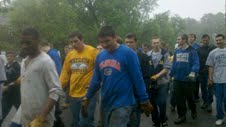
What do you get when you invite 50 Wayzata high school football players to a local senior residence on a rainy, Saturday morning in late April?  Team spirit with a lot of youth enthusiasm! The rain and cold didn’t stop this community event from taking place.  The seniors were delighted as well to have all of these boys clearing the two decades of brush and tree branches from the woods behind their complex. A few of the residents even opened their windows to the back and commented on how wonderful it looked!


This event is not only a positive experience for the residents who live at the Boardwalk but a real life experience for these high school boys.  It was fantastic to hear cheers and songs about the labor intensive work.  They were all glad to be there and eager to help. Home Instead Senior Care of Minneapolis was happy to sponsor this event and complete the circle by providing 25 LARGE pizza’s for the crew of workers!  The senior residents made a half dozen pans of brownies and countless amounts of cookies.  Needless to say there was not a crumb left. When it was time to eat the boys gathered under the awning to escape the weather. They ate and visited with the seniors. It was amazing to witness such acts of kindness taking place.

Home Instead Senior Care of Minneapolis is proud to be involved in community events. The more time spent being involved and educating the masses about what we do to benefit the lives of seniors, the more others can follow our lead!

Preparing for Senior Emergencies

Adult children of elderly parents know that emergencies can happen, and some may even lie awake nights wondering what may happen, and when. At Home Instead Senior Care of Minneapolis, we’ve found that some knowledge and preparation can go a long way toward preventing emergencies and helping caregivers to better handle senior emergencies if and when they do happen. Meanwhile, if you are a caregiver of a senior living in their home, these steps will help you to obtain some peace of mind.

senior emergency kitWhat do you need to know? How can you prepare? Read on for three key topic areas:

  • Understanding Medication Risks and Managing Senior Medication Regimens
  • Implementing Senior Health Tracking Tools
  • Creating a Senior Emergency Kit

Understanding Medication Risks and Managing Senior Medication Regimens

If you are caring for a senior, you may encounter a baffling array of bottles and pills that would seem to require a degree in pharmacology to manage. There are pills to be taken with food, pills that must be taken in combination with other pills, and some that must be taken alone.

The careful management of medications is critical because of potential drug interactions and overdosing. According to the American Society of Consultant Pharmacists (ASCP), 28% of senior hospitalizations are due to adverse reactions to drugs. And the result of medication mishaps can be dire, from hospitalization to disability and even death.

senior medicationIn this segment, we’ll provide some tips on managing medication regimens and how to watch for warning signs of medication problems such as overdose.

Tips for Managing Medications:

  • Follow exact dosage instructions for all prescriptions and over the counter (OTC) medicines.
  • Use one pharmacy for all prescriptions and OTC medicines, and ensure that the pharmacy has a complete list of all medicines on file.
  • If the senior sees more than one physician, ensure that all doctors have a list of all medications.
  • Keep an updated Medication Tracking Sheet of all OTC and prescribed medicines.
  • Bring your updated Medication Tracking Sheet to each doctor’s visit.
  • Read all medicine precautions and potential side effects, and know what to watch for.
  • Follow any precautions with regard to alcohol use in combination with medicines.
  • Dispose of expired medications and any medications your physician has told you to discontinue.
  • Use a pill organizer to organize medications by dose and time of day.
  • Never take medications that were prescribed for someone else.
  • Contact the senior’s primary physician regarding any side effects such as nausea, depression or sleep problems.

Warning Signs of Medication Overdose or Drug Interaction:

  • Confusion or delirium
  • Mood swings or psychiatric problems
  • Dizziness, loss of coordination, or falls
  • Incontinence
  • Sleep problems
  • Loss of appetite or energy
  • Sudden memory loss
  • Headaches

Additional resources:

senior careImplementing Senior Health Tracking Tools

Utilizing tracking tools and systems can help you stay on top of a senior’s medication regimens, important medical history information and critical contact information in case of emergency. Our recommendations include:

Additional resources:

home careCreating a Senior Emergency Kit

Tracking and managing all the data associated with a senior’s health profile is an excellent step toward fully managing a senior’s health and being prepared for emergencies in their home. The next step is to keep your tracking paperwork in one place along with other important documents. An accordion file, with label tabs, is an excellent way to keep your documents organized and ready.

The Home Instead Senior Care Network has developed a Senior Emergency KitSM complete with worksheets and checklists, in conjunction with Humana Points of Caregiving®. We are proud to be able to offer this resource to Minnesota seniors and their caregivers.

To assemble your own emergency kit, use this handy checklist to collect these documents in your accordion file:

  • Contact Names and Numbers Sheet
  • Medication Tracking Sheet
  • Allergies and Conditions Tracking Sheet
  • Record of Doctor Visits
  • Copy of Medicare/Medicaid Card
  • Insurance Policies
  • Healthcare Proxy
  • DNR (Do Not Resuscitate) Order
  • Advance Directives forms, such as Living Will and Durable Power of Attorney
  • Will and Testament
  • Organ Donor Card
  • List of Valuables

If you would like a hard copy of this kit, or have questions regarding senior care, please contact our Minneapolis office at 763-544-5988. We will be happy to help you.

When Families Feud, Senior Parents Lose

Children of elderly parents today may find themselves in a caregiving role, and often must share that role with their brothers and sisters. What happens between these siblings can be smooth or tumultuous, depending upon a number of factors. And according to research performed for the Home Instead Senior Care Network®, the ramifications of rocky sibling relationships can have a negative impact on the quality of care for the senior.
Dementia care can be particularly trying for sibling relationships. The symptoms of Alzheimer’s disease can be tricky to identify in the early stages, and the siblings may not agree on the senior’s capabilities, current condition, or need for at home care. Minnesota is home to an excellent array of home care services, enabling families to obtain personal care and companion services for senior loved ones. Making this choice provides respite care that can allow the sibling caregivers to smooth troubled waters in their family relationships.
The Home Instead Senior Care Network of Minnesota acts as the go-to resource for Minneapolis home care services, not only for Alzheimers care but for all levels of need, from an occasional home health aide to round-the-clock care. In this post we’ll cover some of the challenges that commonly occur in families with seniors who are experiencing declining mental or physical well being. Addressing these challenges through family therapy, legal counsel and respite care can make an enormous difference for both the family members and the senior.

How to Identify Family Challenges that Affect Senior Care

The most common challenges we see between siblings play out in familiar ways, including the following.

“It’s like we’re right back in childhood.” If you feel this way, you’re not alone. Adult siblings of seniors often have the same frictions crop up that they experienced as children. A desire to prove your point or a feeling that you are not being heard or respected may be a sign that your relationship with your sibling has not healed from challenges of the past.

“Mom can still take care of herself!” Some siblings may advocate assistance or enforced restrictions on a senior parent’s activities, such as driving or taking walks alone, while others feel these restrictions are demeaning to the parent and unnecessary. Some may worry that the parent is an accident waiting to happen while others feel more protective of the parent’s emotional well-being than fearful of any real or perceived dangers.

“Who is going to pay for that?” Adult siblings very commonly disagree over issues regarding estate planning, the topic of inheritance, and other financial concerns. All of these issues may crop up especially in a family where there are income disparities, perceptions that one sibling is a “favorite”, and of course anytime money and expenditures are a concern.

“When are you going to do your part?” One of the most common ailments in sibling relationships when a senior needs in home care or companion care is an inequity in the division of labor. This phenomenon, known among experts as “burden of care,” can go on for years, creating ongoing and deepening conflict among adult children who do not see eye to eye on how to shoulder the responsibilities of caring for mom or dad.

Strategies and Solutions for Feuds and Addressing Senior Needs

The challenges we’ve described, while difficult, are not insurmountable. Understanding that feuds and rivalries of this kind are common is a first step. The next step is to identify strategies to help.

Family Relationship Strategies

Dr. Ingrid Connidis, Ph.D., a sibling relationships expert at the University of Western Ontario, worked with the Home Instead Senior Care Network to develop the 50-50 RuleSM  public education program for sibling caregivers. “It’s hard on elderly parents to know their children are in conflict,” Dr. Connidis said. When a family is falling apart at the seams, the senior may be the one who suffers the most. Dr. Connidis highly recommends engaging parents in their own caregiving options as much as possible. Hold family meetings and involve third parties as needed. Professionals to consider as impartial advisors may include doctors, geriatric care managers, and attorneys specializing in family legal matters.

Senior Care Strategies

Obtaining in home care is another step to consider. Again, many resources exist in the state of Minnesota. Consider calling the Home Instead Senior Care Network of MN. Or perform an internet search on terms such as “senior care Minnesota,” “Home Care Plymouth,” and “in home care Minneapolis.” Whether home care for Alzheimers related symptoms is needed, or obtaining part time attendant services can help relieve the stresses on sibling caregivers, creating a workable strategy will help to maintain well being and quality of life for the senior.